Getting stuffed on the bounty of Mexico City

Twenty-two tacos. That’s all I could devour over seven days in Mexico City before I hit taco fatigue, a malady that beats Montezuma’s revenge by a long shot. (I was gratefully spared that gastrointestinal massacre.) Too many tacos — poor me. But it happened: I burned out on the tortilla-wrapped meats and spices, even though they were otherworldly delicious. Al pastor remains a gastronomic god.

I knew I peaked during an exhaustive nighttime taco tour, which included a pitstop for a heady mezcal tasting. I could only devour seven of the tacos served — including a rather average one at the only taco stand in the world to earn a coveted Michelin star — and had to pass, bloatedly, on the final two. (That would have been nine tacos in three hours, if you’re counting.) I simply couldn’t finish, unless my tour mates wanted to see the feeble American provide a gut splash on the sidewalk. 

During my week in Mexico City, I wasn’t on a journey to eat as many tacos as possible. There was no quota. From the start, I wanted to leave room for an array of local delicacies, street food to fine dining, enchiladas to empanadas. Mission accomplished. Pizza even slipped into the plan. Thanks to its strong European tang, the city is famed for its prodigious pies. It was amazing.

The city surprises like that. CDMX, as they call it, is a sizzling melange of cultural influences, a vibrant swirl of art, cuisine, architecture (note the heavy Euro inspiration), lovely people, dogs, parks, museums (only second in the world for the sheer number of them, after London), sports, and, crap, a serious and grueling traffic problem. Don’t get me started. No, do. Some Uber rides took an hour, stop-starting, for just a few miles. The Ubers were nearly all dusty, dented beaters, but they muscled through and delivered. The streets — as clean as Tokyo. And there are no public trash cans. Pride reigns.

Located in the center of Mexico, the megalopolis sits 7,350 feet above sea level, which makes it higher than Denver, with thin air and temperate climes. It teems with life — 22 million people live there. That’s a lot of humanity, not to mention the multitude of pleased and pampered pups I saw all over the city.

I usually take wads of pictures of camera-happy hounds on my travels, but I only snapped a few this time. Here’s one, among a smattering of shots, a taco-y taste of CDMX. 

In line at the Frida Kahlo Museum. I forgot her name.
Frida Kahlo looking pensive, near the museum. The city bursts with street art.

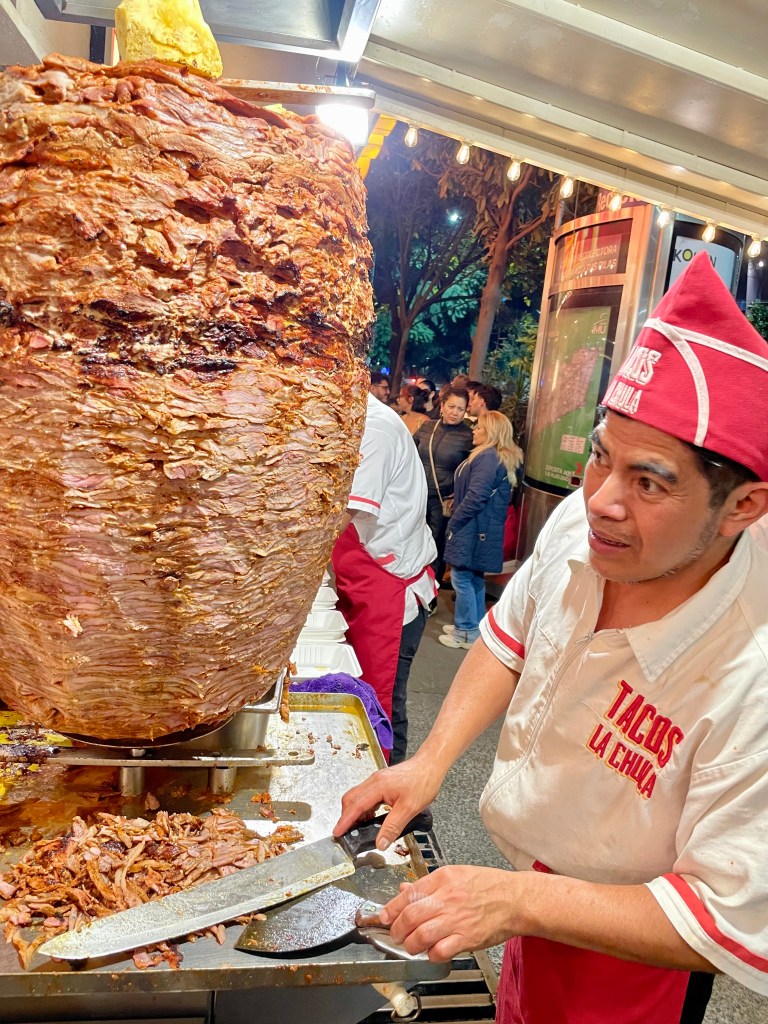
Cooking up one of my favorites, pork tacos al pastor.

Al pastor up close. That’s marinade, not blood.

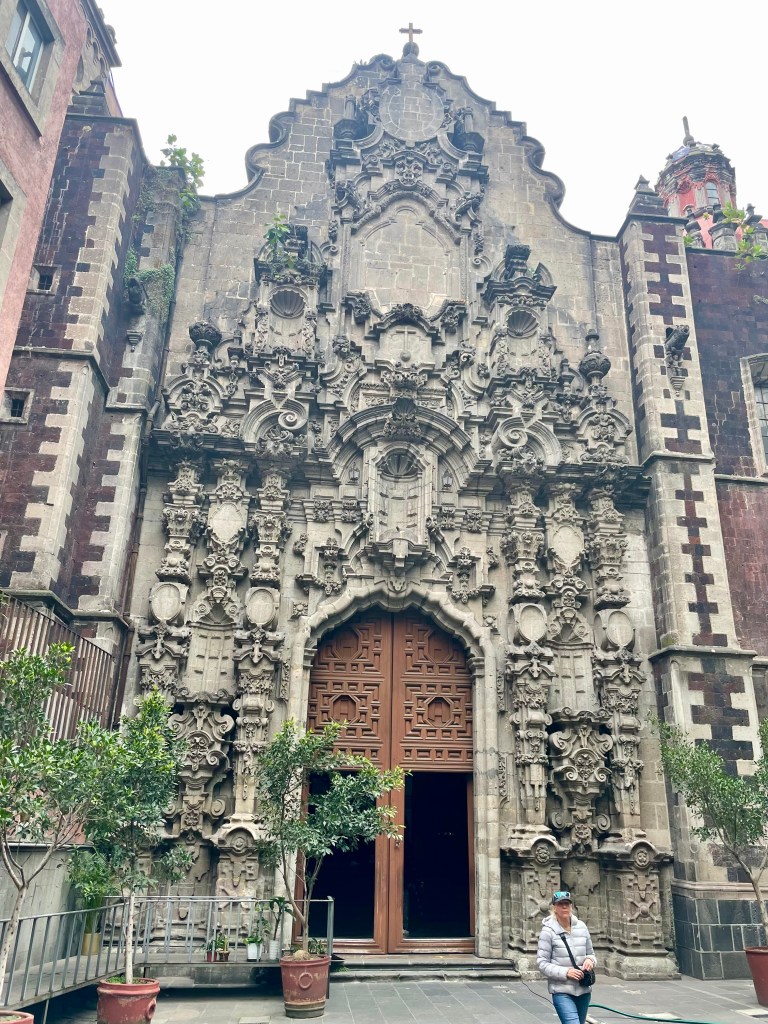
A cathedral in the City Centro.

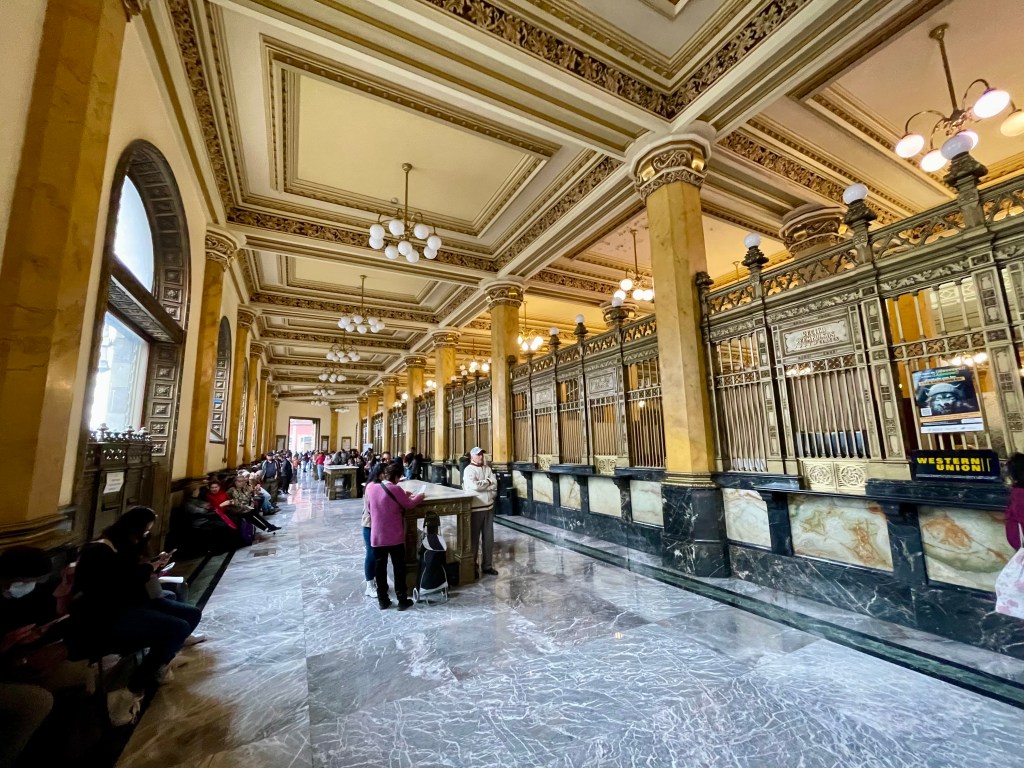
The famous interior decor of the main post office.

The ludicrous circus-like spectacle of lucha libre: wrestling theater. The crowd of 7,000 goes wild at the backflipping, body-stomping, mask-wearing rivalries. It kind of gave me a headache, in a good way.

One of the better pizzas I’ve ever had, even in Italy. Perfection.

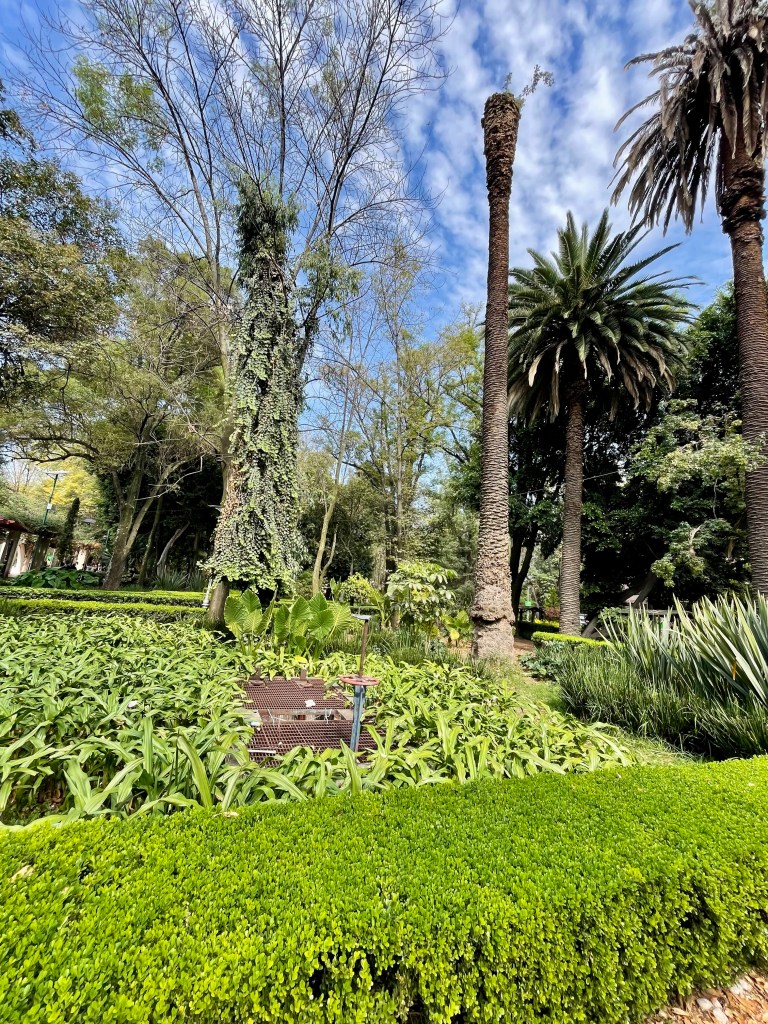
A typical park smack in the city. Joggers, yoga, musicians, dogs, salsa dancers.

Palace of Fine Arts (Palacio de Bellas Artes)

Rear is chicken taco al pastor. Front is octopus al pastor. Awesome.

Breakfast before a three-hour tour of the astounding Museum of Anthropology.

A random facade in City Centro.

Large tortilla chip with guacamole. On top: grasshoppers. Yes, delicious.

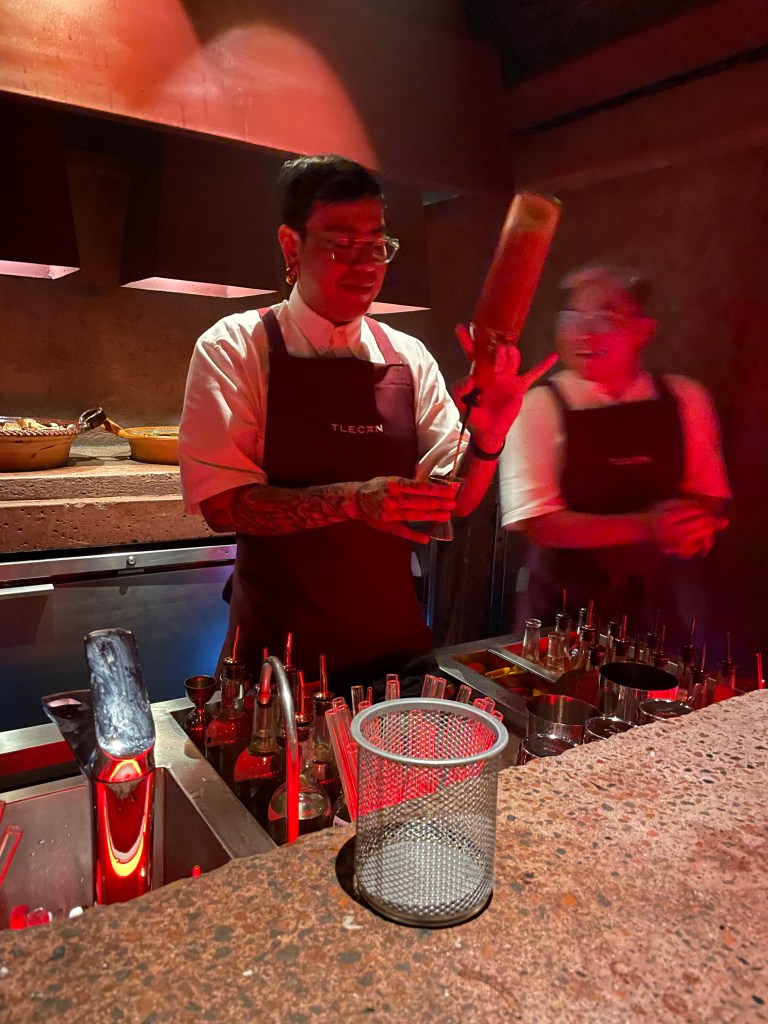
Making me a killer cocktail at Tlecān mezcal bar. It’s ranked #23 in the World’s 50 Best Bars 2025 and #3 in North America’s 50 Best Bars 2025. It, like Mexico City, lives up to the hype. Ultra-modern with a hearty, heartfelt nod to history.

Whistle while you irk

Here he comes. Yes, he is coming. I don’t see him. I hear him. From afar. He’s whistling, oh-so carefree, head swaying, body grooving. And he’s doing it loudly and without a whit of shame or self-consciousness. Notes swirling from his pursed lips for all to hear.

This middle-aged guy, this oblivious songbird, comes to the cafe almost every time I’m there, which is a lot. He sports sunglasses, a down vest, chinos. And he strolls around whistling, sometimes to a song of his choosing, often to whatever is playing on the cafe stereo. Tweetle-lee-dee …

Whistling.jpg

Why am I so vexed by a man who whistles merrily about a coffee shop? Whistling, it’s said, is a symptom of happiness. One site muses: “Are whistlers so insanely happy that they have some overly elevated level of joy? So much so that it bubbles up and spills out in the form of air molecules passing over the tongue and through their lips?”

If so, am I just madly envious of this fellow’s happy mien? His ability for unfettered glee to pour out and tweetle in everyone’s eardrums unbidden? He’s not a bad whistler. He’s actually fairly adroit, a mini jazz-flute maestro vamping on his facial wind instrument.

No, I am not envious. I have no idea if he’s inflated with uncontainable ecstasy, though he appears pretty content and confident with his hands-in-pocket swagger. It’s that his music is like a yappy-dog bark, nails on a chalkboard. Then again, I can’t whistle enough to call a dog.

Yet I give him license. Whistling Willie, I’m convinced, is simply indulging a bad habit. His tuneful penchant is pure reflex, like the drummer who instinctually taps the table with his fingers. We all have tics, mannerisms and foibles, even if they’re not as piercing and public as full-throated whistling. The dude’s just doing his thing.

pluggingears-614x307

The lip-doodling is pretty damn distracting (otherwise I wouldn’t be grousing) when I’m trying to read and write. “If you’re an anti-whistler type, short of duct tape, how can you keep your focus when Tweety Bird starts up?” asks the above web site, Screenflex (a portable room divider company!).

There are no answers. There is only discipline. Tune out the tunesmith. But it’s not just the “music” that kills me. It’s the brazen indifference to his fellow folks, inflicting, without a flinch, his own song list on strangers, like the lunk who hoists a blaring boom-box strutting down the street for all to hear, no matter individual taste and basic social decorum. It’s the principle.

Unknown.jpeg

My whistler, my personal Bobby McFerrin, who’s probably a swell human being, despite the cloud of patchouli cologne he resides in, just needs a touch of self-awareness to wake him up — perhaps an actual whistleblower to call him out, bawl him out, and slip a cork into that irksome “O” on his face.

The Tao of Nick Cave

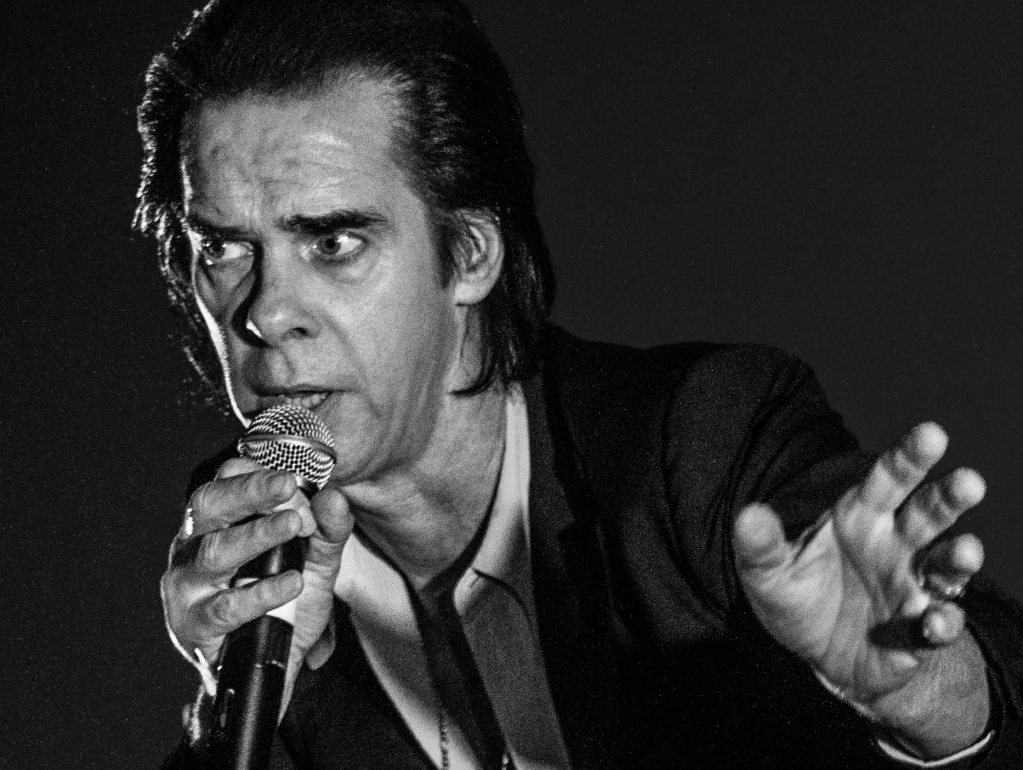
Nick Cave — Australian musician, composer, filmmaker, writer, artist, actor, all-around Renaissance man, with slick black hair and natty suits hanging off a long, pencil-thin frame — runs a sage, funny and heartbreakingly sincere advice column on his website The Red Hand Files. His counsel is so sharp and impassioned, you wonder: What can’t the guy do? I bet he can fly.

Recently, a precocious 13-year-old boy wrote in, asking this: “How do I live life to its absolute fullest, and not waste my potential? Especially as a creative. Also, what is a great way to spiritually enrich myself, in general, and in my creative work?”

I relished Cave’s response so much, I am excerpting a chunk of it here.

These are, to me, words to live by:

“Read. Read as much as possible. Read the big stuff, the challenging stuff, the confronting stuff, and read the fun stuff too. Visit galleries and look at paintings, watch movies, listen to music, go to concerts — be a little vampire running around the place sucking up all the art and ideas you can. Fill yourself with the beautiful stuff of the world. Have fun. Get amazed. Get astonished. Get awed on a regular basis, so that getting awed is habitual and becomes a state of being.”

Nick Cave — bard, baritone, Bad Seed, badass.

I’m going, no matter what

Am I getting sick, dammit? Is this portentous throb in my brain the on-ramp to a massive cold? Is that familiar scratch in my throat a tease to a burning ribbit? Do those worrisome pangs in my limbs augur aches across my entire body?

Am I pissed about all this?

Yes, I am!

For one, I hate being sick — and that, reader, is the winner of the most unoriginal statement in the history of the world. 

Two, I have a date. With Philadelphia to be exact. This week. A three-day assignation with some fine art, that’s what it is. And excellent food. And an unapologetic dive bar named Dirty Frank’s. That is correct: Dirty Frank’s

Philly is only two hours away. And there happens to be two art shows worth some time there: “Matisse in the 1930s” at the Philadelphia Museum of Art (the place with the mountainous steps that Sylvester Stallone scales in “Rocky” — and why did I feel I had to mention that?), and “Modigliani Up Close” at the peerless Barnes Foundation, one of my very favorite venues for aesthetic astonishments.

And food. I will indulge in delicious vittles (and drink) at Village Whiskey (burgers, the eponymous hooch, and oodles of class) and The Dandelion, a “sophisticated homage to the British pub.” Last time I was there, I ate right next to a crackling fireplace.

We can’t overlook Dirty Frank’s, that famous cash-only, no-nonsense skank bar just around the corner from my hotel. It’s a neat, neon-splashed, Bud-in-the-bottle joint, replete with a hard-rocking jukebox, darts, pinball and miles of tats. Vice magazine calls it “a gleaming oasis of weird in a town beset by 21st-century slickening that’s always made people its primary business, no matter who those people are.” Word-for-word, my cold seems to fade at that description.

But is it actually fading? My head still thumps, my throat slightly sizzles. It’s time for three more Advils. I got a flu shot in September, so it can’t be the flu, can it? And I’ve had Covid and I don’t have any respiratory symptoms. And yet …

Take it easy, I tell myself. As I gulp down the pills, I toast good riddance to any sick and hello to Matisse, Modigliani — and Frank. Now, as further deterrence, I plop down for a nap. And I dream of Philadelphia.

A few years ago at Dirty Frank’s. The pooch and his pilsner.

Rewards of the return visit

Friends, those kooks, occasionally wonder why I often return to places I’ve already traveled to instead of going somewhere new and horizon-expanding. The answers are simple and numerous. One, obviously, is that I’ve fallen for a city or country and the days I visited were but a tantalizing taste. I want more. To really get under the skin of a place. So I go back.

(It should be said that last week I was enjoying my first journey to Buenos Aires — my first time in South America — so I still seek the exotic and uncharted.)

To return to a destination is also to refresh the original experiences that made it special and to caulk the holes of crumbling memory. Right now I’m considering a revisit to Madrid, Spain, where I went like 20 years ago. That trip is a fond haze.

Besides Picasso’s gobsmacking “Guernica” and the gems of the Prado Museum — I’m specially partial to the wackadoodle Bosch triptych — I remember only a convivial Irish pub where I met some fun locals and a whiplashing green rollercoaster on the city outskirts. It didn’t even seem to be part of an amusement park, just this stand-alone adrenaline machine amid the trees. Anyway, it was a blast. 

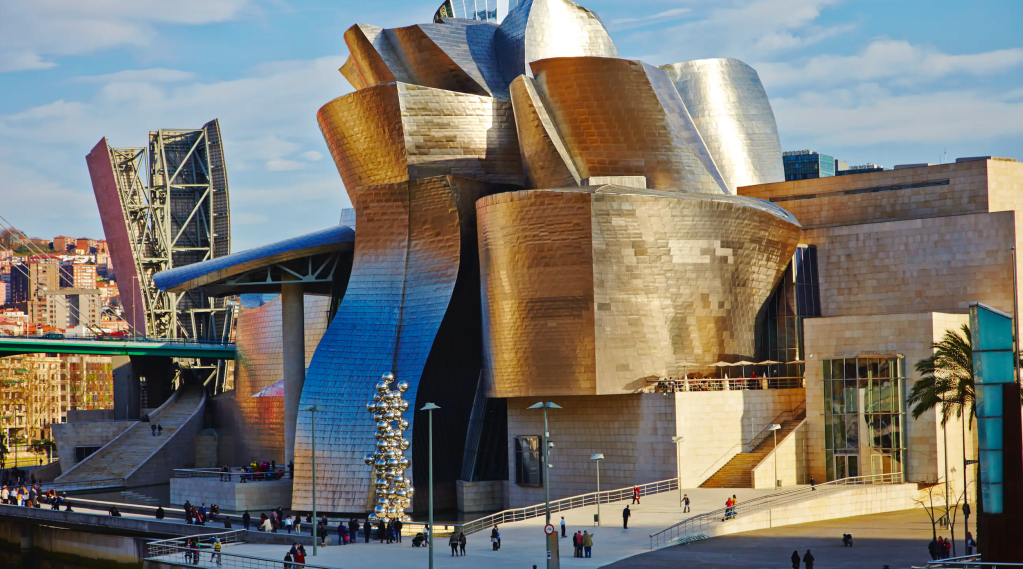
So I’m mulling Madrid for my fall trip, with a three-day excursion north to Bilbao, which is famous mainly for its warped and woozy Frank Gehry-designed Guggenheim art museum but has, since the museum’s opening in 1997, blossomed with attractions and an arty, edgy personality all its own.

Guggenheim Bilbao

I’ve yearned to go to Bilbao for at least 15 years, but you don’t just go directly to the city, you typically go through a hub like Barcelona or Madrid then trek north by train to Spain’s autonomous and beautiful Basque Country.

Thus I’m piggybacking a new place with a place I’ve been before, but both should be rejuvenating and illuminating, since, as I said, my memories of Madrid are a scintillating smudge. 

This happens. I went to Rome in March and even though I had been there twice before, it was changed as much as I’d changed in the intervening years. Same with my January visit to Lisbon. I recognized much of the city, but it was also strikingly novel, a whole new world. It’s about layers: each visit peels back exciting ones, those you didn’t see or didn’t have time for the first go around. Discovery is fathomless.

And this is from someone who journals copiously and snaps photos like a paparazzo. But those mementos are static, mere documents, like a map or a postcard. Throbbing, breathing life is the aim, so, yeah, it’s time to go back.

The profundity of art. Or not.

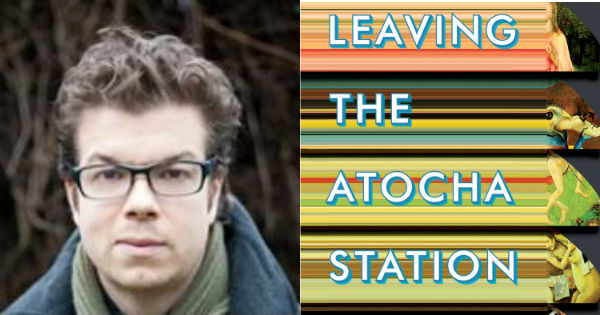
I had long worried that I was incapable of having a profound experience of art and I had trouble believing that anyone had, at least anyone I knew. I was intensely suspicious of people who claimed a poem or painting or piece of music ‘changed their life,’ especially since I had often known these people before and after their experience and could register no change. … The closest I’d come to having a profound experience of art was probably the experience of this distance, a profound experience of the absence of profundity.”

— from the novel “Leaving the Atocha Station” by Ben Lerner

atocha.jpg

Human figures, so creepy, so astonishing

For many, Easter Sunday is a time to reflect on one very important body, the one that rose from the dead to make thunderous proclamations and upend the world forever.

For me, Easter Sunday, a few days ago, was a time to reflect on scores of bodies congregated in a Manhattan museum, a reflection that furnished its own transcendence, its own religious experience, if you will.

These bodies — from the gorgeous to the gruesome; the hyper-realistic to the freakily figurative — comprise the knockout exhibit “Like Life: Sculpture, Color, and the Body (1300-Now)” at The Met Breuer, through July 22.

willem-danielsz-van-tetrode-hercules-greer-lankton-rachel.jpg
The old and the new, juxtaposed.

“Like Life” nimbly and epically presents some 120 works spanning 700 years, from classical Greek to contemporary bad boy Jeff Koons, and oodles in between: Donatello, El Greco, Jean-Léon Gérôme, Rodin, Degas, Louise Bourgeois, Meret Oppenheim, Isa Genzken, Charles Ray, and so many more.

The show’s thrills (and chills) include an awesome array of wax effigies, reliquaries, mannequins and anatomical models — including graphic autopsy depictions — plus tiny-scale sculptures from the Renaissance and beyond. There is lots of nakedness.

My visit was a promenade amid faces and bodies, hands and limbs and heads, some bloody, some immaculate. Many of the life-size bodies, often made of wax, are so realistic I practically did double-takes. Once in a while I flinched and muttered, “Christ.

Juxtapositions with ancient and new figures are clever and provocative, almost none of them without wit and wonder. Throughout, spellbound, I contemplated mortality and deformity, the genius of art and the supremacy of the visionary. Gladly, I was just as often captivated as creeped-out. It’s a sweet and savory affair.

Below is part of the population crowding the best show I’ve seen since the Irving Penn photography exhibit at The Met last summer:

merlin_135783267_595a2783-5d78-4264-9a02-2e23f409c9e2-superjumbo.jpg
Detail from “The Whistlers” (2005), a sculpture by Tip Toland. Jarringly realistic, profound and whimsical. Just look at that face.

merlin_135783831_4340e86d-7749-4a67-a2ac-4c52da29427f-master1050.jpg
In “The Digger” (1857), is this skinless man shoveling his own grave? In the background, an especially grisly crucifixion from medieval Germany.

merlin_135854523_26608341-e02a-4dd8-b473-331280b85578-superJumbo.jpg
Faces from the ages: Center is the ethereal “Mask of Hanako, Type E” by Auguste Rodin (1911). At right is “Self,” a frozen-blood self-portrait by Marc Quinn (2006).

merlin_135784095_17f377b1-3c72-491b-9260-4f2699c76120-master675.jpg
“Housewife” (1969-1970) by Duane Hanson. Commentary that is both witty and withering, this snapshot of quotidian, housebound tedium is a diorama of depression.

koons.jpg
“Michael Jackson and Bubbles” by Jeff Koons. A porcelain monstrosity that’s actually pretty hilarious depending on your mood and/or critical perspective. (I think the consensus is that it’s hideous.)

merlin_135854517_800fbba9-338b-47a0-af48-2478006fb3f4-superJumbo.jpg
“To the Son of Man Who Ate the Scroll” (2016) by Goshka Macuga, a speaking, moving android that pontificates with chilling verisimilitude about life, death and global concerns for 38 minutes. Eerie and mouth-agape mesmerizing, he’s the spiky, intellectual counterpoint to Disney’s anodyne animatronics.

met-2.jpg
“Self-Portrait with Sculpture” by John De Andrea, 1980. These are not real people. The frontal view is firmly R-rated, the tableau slightly disturbing and thought-stirring and so true-to-life, it makes you start. (Can you name the extremely famous painting in the background, left? It’s a beautiful juxtaposition with the sculpture. Answer: “Pygmalion and Galatea.)

49932a3100000578-5432385-image-m-5_15195573594971.jpg
I don’t know who this is, or who made him. But he emanates a special brand of banal magnificence.

Coruscating culture quotations of the day

These are a few quotes about the arts that I’ve carried around for a while. I believe they’re intellectual gold:

On art:

“Art, love and God — they’re dumb words, and probably the dumbest is art. I don’t know what it is, art. But I believe in it, so far.” — Damien Hirst

*

 “The last hope is that art may transmute the disappointments of life into something more radiant and stable; the lasting bitterness is that although art may guide ‘what pangs there be/Into a bearable choreography,’ it does not repair the original life-rift.” — Helen Vendler, with excerpts from poet James Merrill

flat1000x1000075f-u3.jpg

*

On theater and art:

“The new generation of theatergoers are suburban know-nothings dumbed down to the point of expecting art to be some kind of inclusive, fraudulently life-affirming group-grope, instead of what it is: arrogant, autocratic, and potentially monstrous!” — David Hirson, “Wrong Mountain”

*

On acting:

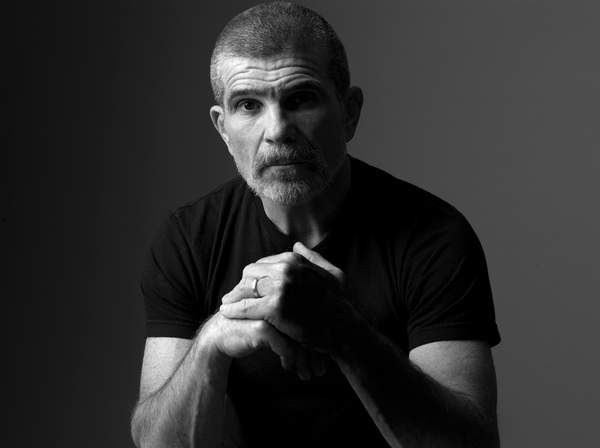
“If you intend to follow the truth you feel in yourself — to follow your common sense, and force your will to serve you in the quest for discipline and simplicity — you will subject  yourself to profound despair, loneliness, and constant self-doubt. And if you persevere, the Theatre, which you are learning to serve, will grace you, now and again, with the greatest exhilaration it is possible to know.” — David Mamet

David-Mamet.jpg

*

On writing:

“One must be drenched in words, literally soaked in them, to have the right ones form themselves into the proper patterns at the right moment.” — Hart Crane

typewriter_by_chicho21net-d578dtz

“What writers hear when they are trying to write is something more like singing than like speaking. Inside your head, you’re yakking away to yourself all the time. Getting that voice down on paper is a depressing experience. When you write, you’re trying to transpose what you’re thinking into something that is less like an annoying drone and more like a piece of music.” — Louis Menand

*

“More than ever, critical authority comes from the power of the critic’s prose, the force and clarity of her language; it is in the art of writing itself that information and knowledge are carried, in the sentences themselves that literature is preserved. The secret function of the critic today is to write beautifully, and in so doing protect beautiful writing.” — Katie Roiphe

The playful elegance of Irving Penn’s photos

I’ve recently done some traveling to Washington, Philadelphia, Boston, Montreal and London, art-encrusted metropolises boasting drop-dead, world-class museums, from D.C.’s National Gallery to London’s twin Tates and the mighty Philadelphia Museum of Art. I was spun around (picture Mary Tyler Moore giddy and agape in the big city) by the sheer voluminous quality around almost every corner, be it the say-what size of the magnificent Turner collections in London or the rare “Chagall: Colour and Music” show in Montreal.

Yet, for all that sublime perambulation, meandering among masterpieces, the best art show I’ve seen in a spell, hands-down, is the Irving Penn photography exhibit at The Met in New York. “Irving Penn: Centennial” features over 200 photos — glamorous portraits of writers, artists, actors, dancers and other outsize personalities; insane food still lifes; leonine fashion divas; and worlds more. It’s an exhilarating joy.

Avers the show catalog: It’s the “most comprehensive retrospective to date of the work of the great American photographer,” who, after a sensational stint at Vogue, died in 2009. “Penn mastered a pared-down aesthetic of studio photography that is distinguished for its meticulous attention to composition, nuance, and detail.”

Yes, but there’s so much more than that clinical description suggests, and you can see it in the work itself. (Time is of the essence: the exhibit closes July 30. The Met has posted a nice video preview of the show here.) A smoky elegance and playful naturalism imbue the hugely influential pictures — hello, Richard Avedon and Annie Leibovitz — whose complexity and sophistication are on full display, if rarely peacocky.

Below are a few of Penn’s famous black and white celebrity portraits — some of my favorites — lucid, lush, deceptively simple images that pierce into the personalities to become indelibly iconic. (Try and identify the subjects.)

16218544919_fa5f5a3d7c_b.jpg

images-2.jpeg     images.jpegtruman-capote-irving-penn.jpg

garbo-bn1.jpg

penn-irving-photography-history-the-red-list.jpg

f5147b485f9e0b38967e9cfca6e0ec07--old-hollywood-classic-hollywood.jpg

16218056809_4956b4e5b7_b.jpg

penn14.jpg