Schama to shellfish

Been enthralled rewatching the eight-part docuseries “Simon Schama’s Power of Art,keeping winter’s brrr at bay with deep insights and gobsmacking grandeur. The 2006 BBC show, now streaming, profiles an octet of artistic titans hosted by the smartest guy in the room, scholar and scamp Simon Schama, known for a heap of cultured feats, including “Citizens,” the landmark history of the French Revolution. 

With theatrical kick and piercing opinions, Schama surveys these pigment-stained characters in one-hour slices: Caravaggio (blood, beauty and butchery); Bernini (boggling, blissed-out sculpture); Rembrandt (peerless Dutch portraits — “Mr. Clever Clogs,” Schama cracks); David (the divisive “Death of Marat”); Turner (violent squalls of blinding light); Van Gogh (dazzling swirl-scapes, with an ear to the ground); Picasso (Cubism: Braque ’n’ roll); and Rothko (pulsing rectangles of preternatural color). 

Tweedy but cool, shirt buttoned low, Schama is a delight. He deploys effortless erudition with an impish glint in his eye, a calibrated smirk and a gift for eloquent, giggle-making irony — he’s brainy and funny. But he’s also dead serious, reverent, about his heroes and their eternal masterworks. Art, he seems to say, is no joke. Except when it is.

As one observer says, “Schama is not neutral; he argues, provokes, and interprets boldly,” adding that the series “helped shift popular art docs away from polite scholarship toward emotion, conflict, and stakes.”

It’s how he peels back the works’ essence and the artists’ humanism that stands out. For example, he not only declares but demonstrates how Van Gogh “created modern art” amid a maelstrom of mortal mental distress. (That chapter is understandably the most heartbreaking.)

If you like transcendent art — “Slave Ship”! “Starry Night”! “Guernica”! — cinematic reenactments with fine actors in real locations, and the sly, conspiratorial air of a charismatic host, the series is a feast. More than edifying, it’s electrifying.

Just listen to this guy: “Great art has dreadful manners,” says Schama, who writes every episode. “The greatest paintings grab you in a headlock, rough up your composure, and then proceed in short order to rearrange your reality.” 

Right about there, my knees buckle.
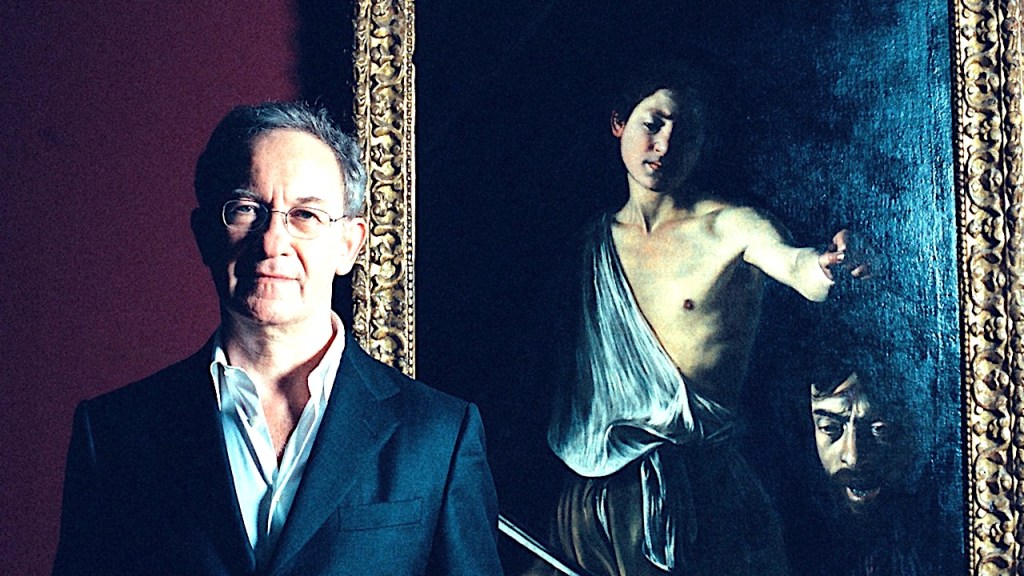
Schama presenting Caravaggio’s gleefully grisly “David with the Head of Goliath”

I’ve been blabbing here about going to Marseille in early February. A picturesque coastal city, the second largest in France, it’s famed for a gritty, hip, multicultural vibe, a fabulous port and craggy shorelines kissed by Listerine-blue Mediterranean waters.  

Marseille is also famous for its motley cuisine, from French and Moroccan to pizza and West African. But above all it’s known for the iconic, somewhat extravagant seafood stew, bouillabaisse — rich, aromatic and typically made with various Mediterranean fish. 

The recipe generally goes like this, and here I’m cribbing:

A traditional bouillabaisse has two parts:

  1. The broth – saffron-gold, flavored with fennel, garlic, tomato, orange zest, olive oil, and Provençal herbs.
  2. The fish – several firm, rock-dwelling fish from the Mediterranean, added in stages so each cooks properly.

Now, many hot-shot chefs mess with the recipe, adding shrimp, lobster, mussels and other mollusks, god forbid. This bouillabaisse virgin — never had it! — is allergic to shrimp and lobster (an adult-onset allergy; I love shrimp), so I fretted about where I would get a purely traditional fish stew in Marseille.

All the guidebooks and websites point to one restaurant, Chez Fonfon, which has been serving bouillabaisse for 74 years using scorpion fish, red mullet, eel and other fishies in its recipe. “We offer to prepare the fish in front of you or already prepared for immediate enjoyment,” says the Fonfon site. I’ll take the show, please. 

Then, as is my wont, I over-thunk the meal. What if they also add shrimp or lobster? I’d just have to see. Or not. Yesterday I emailed Chez Fonfon and asked the question. A few hours later they responded.

“Our bouillabaisse is prepared in the traditional way, using only rock fish and vegetables. It does not contain any crustaceans such as shrimp or lobster.”

Jackpot. Now I can sleep at night and dream of rock fish swimming in my bowl, sans crustaceans stinking up the joint, toxic creatures that would make my throat swell, my breathing sputter, likely ending in my death, face-down in my very first, and last, bouillabaisse. Merde!

The trivia of travel travails

My taxi driver was having none of it. On a bright, brisk Sunday in Rome, he wove through traffic and bowled down skinny cobblestone alleyways clotted with gelato-lapping pedestrians. Amusement was at a premium. “Everyone walking! Tourists! Ice cream! Ice cream! Ice cream!” he fumed. (Earlier in the day, I had some gelato. Suddenly, I felt like a putz.)

His car horn bleated. Gaggles of walkers reluctantly parted like the Red Sea. My driver grumbled to himself. Someone said “Sorry” as she jumped aside. “Sorry!” the cabbie repeated mockingly.

What a sourpuss, I thought, yet I understood his frustration. And soon enough, I became the grouser. As he took detour after crazy detour, I could recognize none of the scenery, and finally I blurted, “Do you know where you’re going?” 

The meter skyrocketed and my exasperation flared. I quietly seethed and loudly sighed. The driver apologized. It’s Sunday, he explained. Swaths of road are closed, traffic is atrocious, people are eating ice cream mindlessly in the street. A normally 10 euro ride quickly ballooned to more than double that. “Ridiculous,” I sniffed. “Sorry,” he said, this time without mockery.

So goes travel, with its minor irritations, unpredictable hassles, junk that seems like a big deal in the moment but is so often just life doing its thorny thing. The drama becomes but a fleeting speck in mere minutes. The intoxicating mists of travel return.

Seriously, I had just finished marveling at three massive and magnificent Caravaggio canvases in a 15th century church, strolled the Spanish Steps and Michelangelo’s Piazza del Campidoglio, gawked at the Roman Forum, and, yes, licked dreamy gelato in the Italian capital under sparkling spring skies. Espresso was sipped.

Where does complaint possibly fit into this scenario?

It doesn’t. And the day’s splendor continued undimmed, including a celestial dinner of grilled tuna, carbonara, Italian meats. Because it’s hard to douse the naked joys of the journey, to discount the novelty of uninhibited voyaging.

Make a plan but don’t be too rigid. Then hit the streets and let life unfurl in its own mad fashion. You’ll find frustration, no doubt. But also, I promise, the divine. 

Colosseum, April 4

Naples, knockout

Farting thunder and crackling lightning preceded the cloudburst that tried its damnedest to drench our small tour group at Pompeii, the ancient city of dramatically preserved ruins just outside of Naples yesterday. Umbrellas aloft, my brother and I winced at each other and agreed we didn’t want lightning to blast us into human beef jerky like the displayed bodies caught in squalls of volcanic gas and ash from a spewing Mt. Vesuvius way back when (79 A.D., to be exact). 

Weather-wise, Rome was better, but Naples, Italy’s third largest city, set south and known as the country’s black sheep and mischievous scamp, might be more atmospheric, vaguely sketchy and intimately enthralling. It’s got kick and fizz.

Sure, Naples has offered lashing schizophrenic weather — enveloping sunshine, then muffling fog, then a glimmer of sun, then a 10-degree temperature drop and downpours — but it has character to burn: crazy winding backstreets streaked with old churches, lavish, looping graffiti, bristling bars, sensational food, boisterous people. And do mind that Vespa tearing down the cobblestone street bustling with fleet-footed pedestrians. 

Speaking of food I might kill for — last night’s grilled octopus and the pasta carbonara in Rome surely count — we waited about 40 minutes for a seat at the famed Sorbillo pizzeria, known for the best pies in the world and certainly in Italy. Get the basic Margherita — mozzarella, basil, zesty homemade tomato sauce and thin, chewy crust (huge and about $5). It will recalibrate your pizza expectations for life. 

But I’m not here to peddle pizza. I’m here to report that we tracked down the three (stunning) Caravaggio paintings in Naples; found a go-to watering hole, Libreria Berisio, which is a cozy working bookstore by day, heaving with volumes, and at night dims the lights and serves a boggling array of cocktails, with funky seating, including stacks of hardbacks for stools (books and booze!); and took a private four-hour city and food tour with the spectacular Gennaro. Just the three of us.   

Gennaro, who speaks with a lilting, comically tangy Italian accent and shoots off sparks of wound-up energy, whisked us along in a gust of breathtaking erudition, knowledge, information and raw charm. Food, history, literature, opera, architecture, art, politics both local and global, film, geography — he seems to know it all, an effusive polymath who makes you feel intellectually undernourished. 

But we weren’t undernourished, because Gennaro fed us a feast, including pastry, fried seafood, buffalo mozzarella, deep-fried pizza (!!), beer, Limoncello (a local lemon liqueur), pasta with meat sauce, and more. 

He’s also something of a one-man chamber of commerce for Naples, fervently defending the city, exalting its virtues with fist-shaking passion, and angrily blaming city leaders for underrating and underselling their jewel in the rough. Five years ago, he says, Naples still carried a bad rap — piles of garbage, crime, mafioso, and other underbelly lesions — but it’s enjoying a surge of respectability and much-needed tourism. He wants the world to see his native city as he does: a top draw, a world-class player, a tourist mecca. He wants it to be loved, adored, appreciated.  

Me, I already see it that way. I’m sold.