Quote of the day
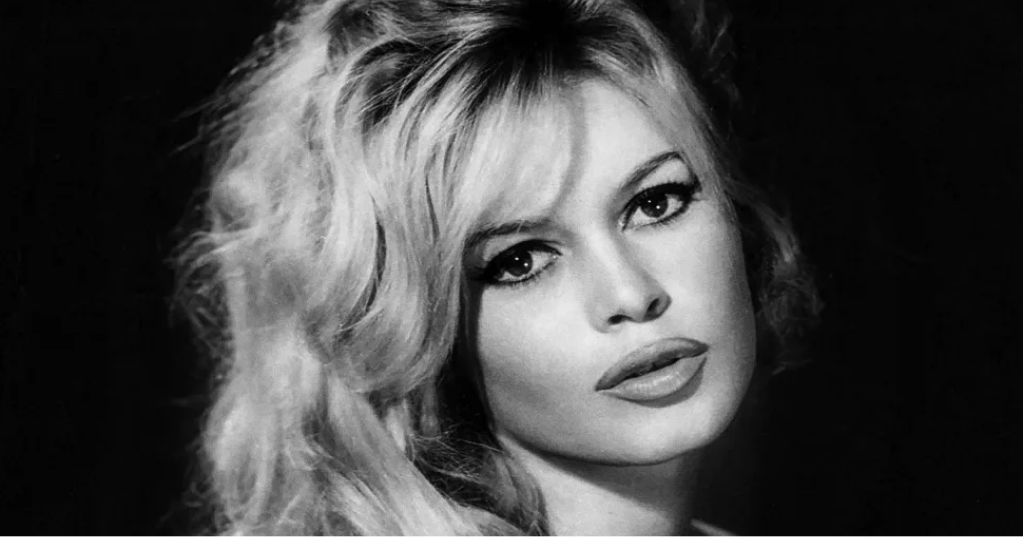
“I am not a recluse. I live like an unsociable person; it is different. People get on my nerves.”
— Brigette Bardot, actress, animal activist
Book of the day
“Bel Canto,” Ann Patchett’s 2001 novel about love, opera and hostage-taking, is one of those contemporary classics you should have read but never got around to, and now, 25 years on, it feels too late. It’s not. I started this book five years ago and put it aside for inexplicable reasons. That diss has haunted me and last week I gave “Bel Canto” another shot. The result was transcendent.
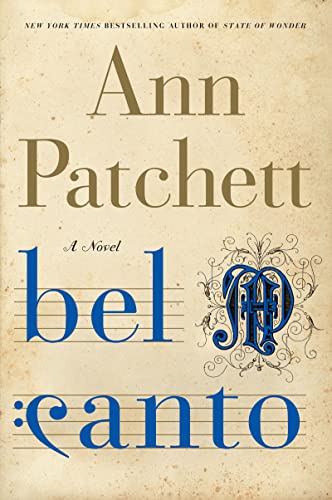
The plot is a small knot that unravels beautifully: A throng of international guests have gathered at the mansion of the vice president of an unnamed South American country for the birthday celebration of a Japanese businessman. A world-famous American opera soprano has been invited to regale the group, and soon, through her exotic talent and beauty, becomes the cynosure of the story. The party is abruptly crashed by leftist guerrillas looking to kidnap the nation’s president, who rather comically skipped the party so he could watch his beloved soap opera at home. Stymied, the invaders take the revelers hostage for what starts as hours, then weeks, then months. Thus the mansion becomes a human incubator, a constellation of international players, some of whom align as unlikely allies, others as peculiar romances fraught with forbidden yearning. It’s a rich tapestry that echoes the diners trapped for months in a similar mansion in “The Exterminating Angel,” Buñuel’s classic takedown of the gilded class. But Patchett is a gentler, less partisan observer, underscoring the universal languages of music, love and language itself for something divine. The book is so meticulously engineered — the many characters are spryly choreographed — and so big of heart that it dashes hopes of ever writing your own novel because it couldn’t brush these literary heights. There’s the hitch: You almost hate “Bel Canto” because it’s so stupid good.
Movie of the day
My love affair with Iranian cinema is long and varied, spanning Jafar Panahi’s charming debut “The White Balloon” to Abbas Kiarostami’s rigorously philosophical “Taste of Cherry.” Spare, talky and played mostly by untrained actors, the films are often covertly political, critical of the Iranian regime in as coded terms possible, secret messages packed with time bombs. But Panahi has used his recent movies for brazen broadsides and as such they are banned in his home country. Yet the director shrewdly snakes around these restrictions and his latest moral thriller “It Was Just an Accident” won the Palme d’Or at the 2025 Cannes Film Festival. It’s a bold gesture tracing what happens when a band of former political prisoners kidnap and confront the man they believe brutally tortured them during their imprisonment. Amid the moral complexities of revenge — do they even have the right man? — comes relief via mordant humor and absurdist touches that goose the overall lunacy. (Note the wry allusions to “Waiting for Godot.”) Panahi has made a tough and moving portrait of keeping one’s humanity in an impossible situation. Its stubborn ambiguity is a hallmark of Iranian cinema, and this one’s a classic.

Drink of the day
That’d be Mr. Pickles Gin. My newly discovered sip is named for the distiller’s pit bull rescue, Mr. Pickles, who nobly emblazons the spirit’s label as the official mascot and makes me like it that much more.
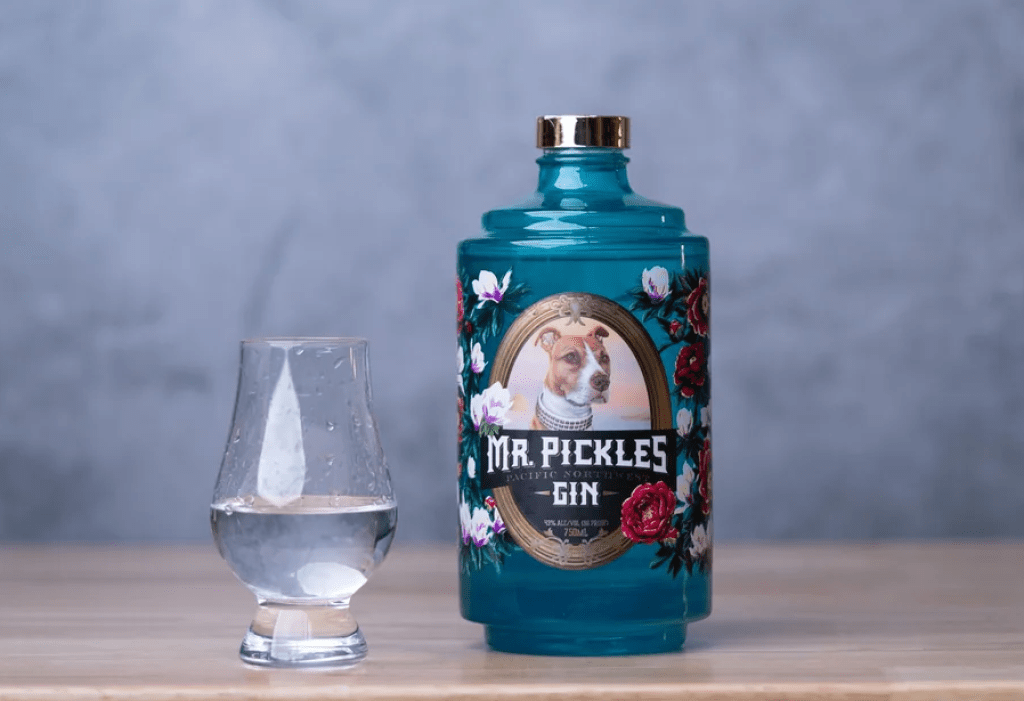
Time to taste. Open the senses to a bouquet of dog urine. No. The fragrance is lovely, the gin superb. Its aroma is juniper, citrus, pepper, with a whiff, I think, of dill. It owns a strong herbal flavor with earthy undertones and tinges of orange, pepper and, aptly, a speck of dill pickle. And I swear on Mr. Pickles’ fuzzy head that is not just the power of suggestion. Made in Oregon by Wolf Spirit Distillery, the drink features 12 botanicals, including green tea, blood orange, pink peppercorns and marshmallow root (I have no idea). If it’s not as grand and complex as my revered Monkey 47, which boasts a whopping 47 botanicals and that I drink neat, Mr. Pickles will be a snappy refresher during the dog days of summer.
Photo of the day

They say a picture speaks a thousand words. This one speaks four words: I am so screwed.