
‘turro de force
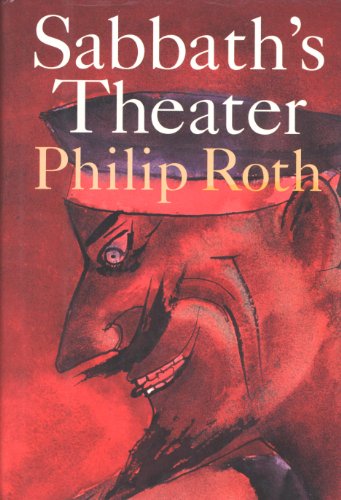
Onstage, John Turturro is a frothing, frenetic vortex, spewing barbed-wire invective, spittle flying, making you cringe and laugh all at once. He’s Mickey Sabbath, retired puppeteer, devout deviant, a 60-ish sybarite of unbound lusts, a Vesuvian id raging in the night (and day and morning). I recently saw this crackling Off Broadway performance of “Sabbath’s Theater,” adapted from Philip Roth’s acclaimed, notoriously naughty novel, and while the small cast is a marvel, it’s Turturro as Sabbath who harnesses the show’s electric eros, whipping us along on a ride of pathos-kissed perversion. Everyone — he too — leaves exhausted.

‘Home Alone’ 2023
In the “classic” Christmastime movie “Home Alone,” a little brat played by little brat Macaulay Culkin — in one of the most implausible plot twists in cinema history — is accidentally left behind when his family goes to the airport to fly to Paris for the holidays. So Culkin is all by his lonesome in the big empty house, until two bungling burglars show up … and yada-yada. This year I’m that little brat, home alone for the holidays, my friends flung around the country, and my immediate family jetting to Madrid on Christmas Day. With my parents passed, I’m left with Cubby the magic dog, a pair of impish cats, and, if I get lucky on Xmas Eve, when goodies will be gifted, a tiny tank of swirling Sea-Monkeys, my Proustian madeleine conjuring the age of Pet Rocks and the Fonz. I’m a loner at heart. I spent 10 Christmases solo in Texas, so this is actually my comfort zone. Leftovers, tipples of egg nog, a CBD gummy, a great old movie. I’m set. It might even snow. And there, the tableau is complete.
Mamet’s mad
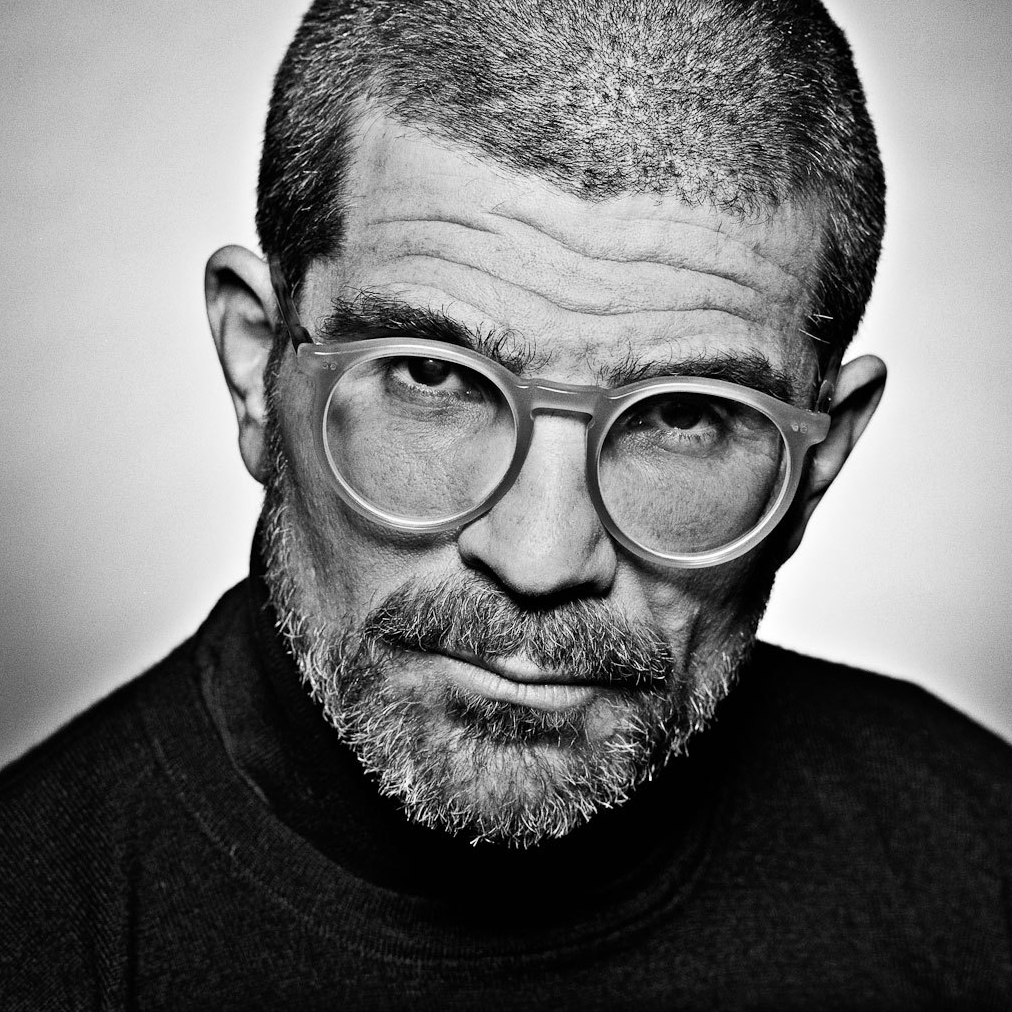
Though repulsed by his latter-day conversion to all things alt-right, I will listen to nearly anything playwright/screenwriter/director David Mamet preaches about the craft of writing. The Pulitzer Prize-winning playwright (“Glengarry Glen Ross”) has written a zillion books about writing and directing theater and film, as well as penned movies like “The Verdict,” “The Untouchables” and “Wag the Dog,” and written and directed 10 of his own movies, from “House of Games” to “Homicide.” Mamet’s been through the Hollywood wringer, and he’s pissed. His new memoir, out this week, is “Everywhere an Oink Oink: An Embittered, Dyspeptic, and Accurate Report of Forty Years in Hollywood.” I just got it, and though not quite a swashbuckling thrill through the fraught Hollywood jungle (see William Goldman for that), it’s peppered with Mamet’s signature biting commentary. Producers are venal scum (“Are none of you idiots paying attention?”). Race and gender are never off limits. Errant grumpiness is rampant (“If you put cilantro on it, Californians will eat cat shit”). And fascinating insights into arcane movie lore abound. Mamet can be astringent, but anyone who calls “School of Rock” a “wonderful” picture can’t be all bad.
Packing my bags
So, Sicily it is. My next journey is a return to Italy — no! To Sicily. For locals, the distinction is vital. I quote: “People from Sicily consider themselves Sicilians first and Italians second. Though Sicily is a part of Italy [the big island beneath the boot] the region has its own culture, traditions and dialect, and Sicilians are incredibly proud of their heritage.” I go in February, after the chilly holidays, before the heat sets in, and before spring religious rites flourish. The history-drenched capital Palermo is home base, with day trips to the ghoulish catacombs and the dazzling mosaics of Monreale Cathedral, plus food and culture tours and lots in between. Tips? Phone lines are open …

Fido’s funk
It’s raining and the dog went on a walk and got damp and now he smells like a giant corn chip. He’s needed a bath for some time, and the drizzle has activated a slightly fetid doggy odor that happens to recall a processed dipping snack. Pass the Ranch?




 GNASHING.