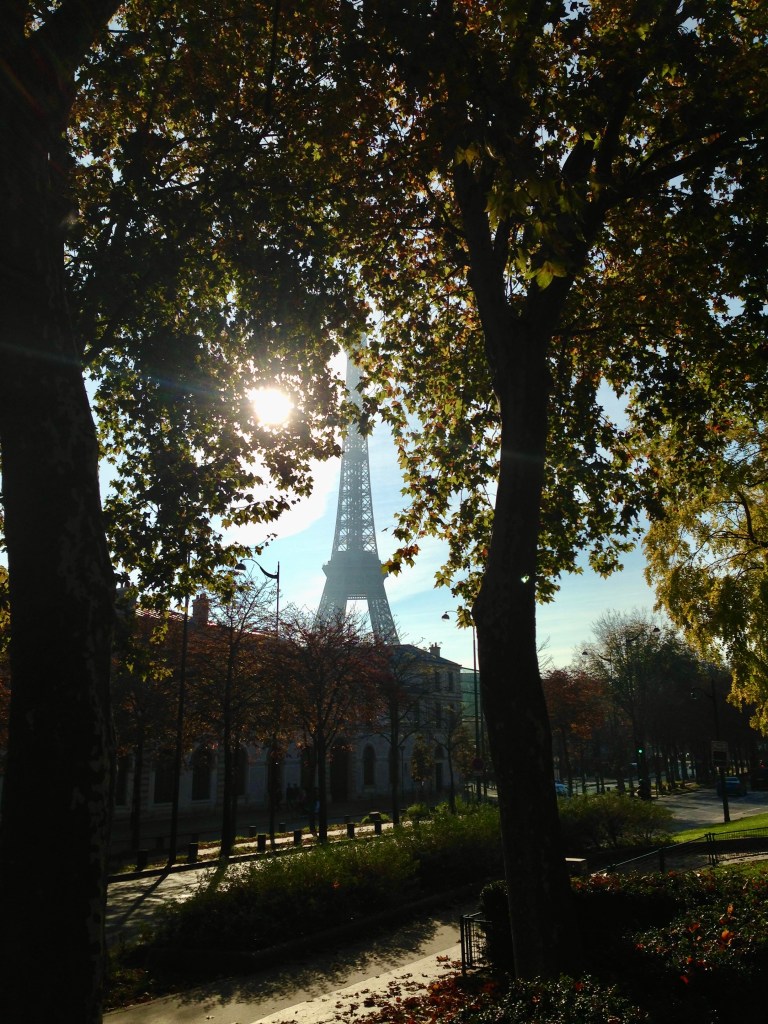
Last fall, Paris went kaput. That is, my planned trip to my favorite city was scrapped with a muscular assist from the pandemic. Covid, that magnificent killjoy, effectively squelched the October vacation, along with so many of your precious plans to get out and live life freely and safely.
Woe is me. I know this is a first-world, big-baby complaint, but actually I’m not complaining. The trip was doomed from the start, founded on chutzpah and delusion. The pandemic would pass by October. Right. What a dope.
But I couldn’t resist the $430 round-trip flight bought last spring and the airline’s policy of crediting the ticket if trips were cancelled by Covid. Considering how grim everything was, it was sort of win-win.
I used that credit yesterday when I decided, rather rashly as usual, to take another shot at Paris in the fall. It cost a little more money, but the price was still right. Eight days in mid-October, starting where I left off during my last visit in fall 2015.
Paris is slowly stirring from its Covid coma, when life was hamstrung by onerous rules and restrictions that made visiting pointless, if you could even get into Europe. I’m banking on more normalcy in the next few months as cafes, museums and bistros cautiously unlock their doors. (Alas, Notre Dame remains closed to worshippers and tourists after the blaze of 2019.)
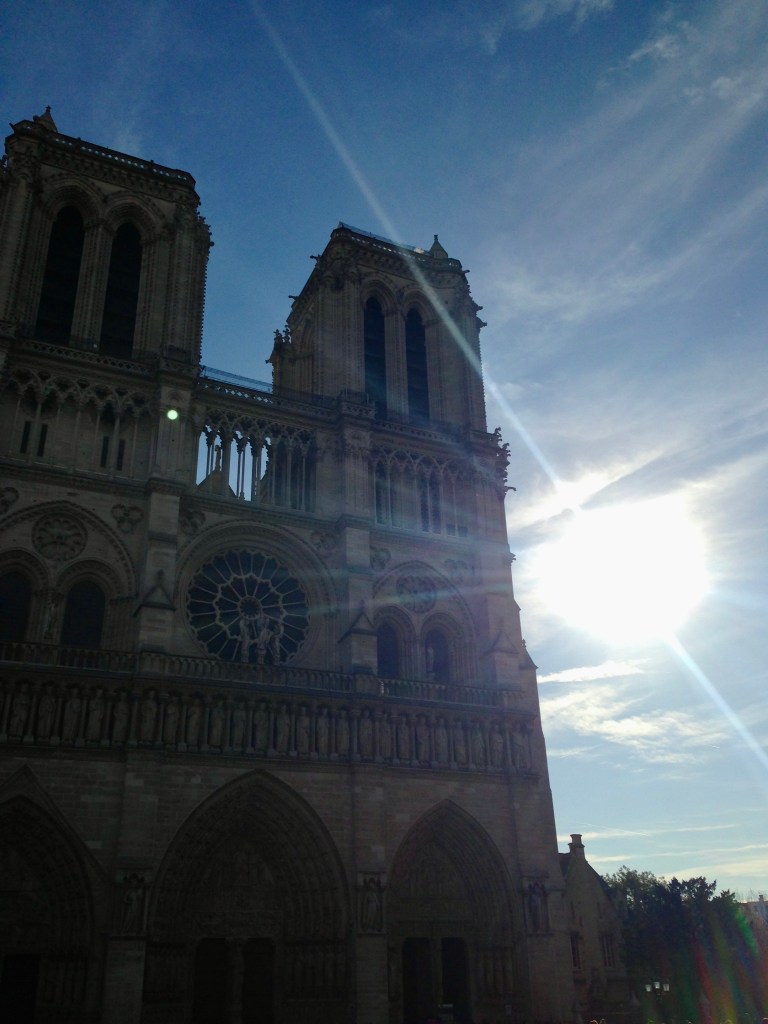
Notre Dame, fall 2015
Must-dos: Musée d’Orsay; Musée Picasso (essential); Musée de l’Orangerie; citywide cinemas (I always see three or four classic movies in Paris); Centre Pompidou; and the skull-crammed Catacombs.
This time, my sixth in Paris, I will skip my beloved cemeteries: the lushly rococo Père Lachaise and the more classical Montmartre and Montparnasse cemeteries, which together house the graves of Jim Morrison, Oscar Wilde, François Truffaut, Susan Sontag, Edith Piaf, Chopin, Balzac, Sartre and Simone de Beauvoir. (Why visit cemeteries? Because they’re haunting and beautiful and, in Paris, they’re like strolling walks of fame for artists and intellectuals.)
Centre Pompidou, 2015
The Parisian foodie experience is paramount, and I have several places in my crosshairs: the peerless Frenchie; Michelin-star Le Chateaubriand; Buvette; and famed falafel joint L’As Du Fallafel in the Marais. For cocktails, it’s the vaunted Little Red Door — named one of the world’s 50 best bars for seven consecutive years — also in the Marais.
This all sounds super on paper, like most vacations do. The planning, the reservations, the advanced tickets, the accommodations (Hôtel Jeanne d’Arc Le Marais), the raw, giddy anticipation. But it’s a crap shoot.
I’m all in. I’m ready to split this burgh for a few days, sip wine on the Seine, see an old Eric Rohmer film, walk the Luxembourg and Tuileries gardens, skip the Mona Lisa, and be blown away by the city’s exuberant beauty. Again.
I don’t know if I’ll actually get there. But I’m making a bid for it. For Paris, and for life.
Slash was bored. The iconic shredder from Guns N’ Roses, famed as much for his seething guitar licks as his Niagara of dark curls, surly sneer and non-ironic top hat, paced the film projection booth at the Mitchell Brothers O’Farrell Theatre as he waited for the strip club’s notoriously hard-partying co-owner Artie Mitchell.
A magnet for lustful and plain curious celebrities, including on this night the freshly famous bandmates of Guns N’ Roses, the upscale flesh emporium in San Francisco, home to some 100 dancers, was anointed the “Carnegie Hall of sex in America” by none other than gonzo journalist and Mitchell Brothers confidant Hunter S. Thompson.
Famous and infamous, classy but trashy, a spotless venue filled with dirty deeds, the O’Farrell was where I worked for three months when I was 19. It was novel. It was exciting. It was a droning bore.
So there was Slash in my workplace, a quintessential rocker I didn’t recognize. Guns N’ Roses was relatively new, despite having just sold two million albums, and was in town shooting a scene for Clint Eastwood’s latest Dirty Harry movie, “The Dead Pool.” The group’s hit “Welcome to the Jungle” revs the film’s soundtrack.
A fellow longhair, I shot the breeze with Slash, who explained that, no, he was not a member of Bay Area metal band Exodus (my bad), and that his actual group, GNR, wears its influences on its sleeve, from the Stones to Aerosmith. I still didn’t know who the hell they were.
Enter Artie. “You look tired. Let’s chop one,” he tells Slash.
Here’s what I wrote in my journal later that night:
“Slash’s eyes glow and a malicious grin cuts across his sagging mug. We’re in the projection room and they go to the counter and Artie begins to nonchalantly cut a fine white powder and shape lines. And he slurs, ‘Let’s make the first rock ’n’ roll porn film!’ They howl with laughter.”
The job was surreal that way.
A callow journalism student at San Francisco State, I was lured to this unusual gig at “one of the most infamous and oldest erotic dance clubs in the country” by rumors that Hunter S. Thompson, an ink-stained hero, was working at the club as night manager to write a book. (He did work there for a bit in 1985. The book never materialized.)
When the place closed last fall due to Covid-19, right after its 51st anniversary — it opened on July 4, 1969 — many appraisals appeared about the O’Farrell Theatre’s checkered history.
For instance: the Mitchell Brothers, Artie and Jim, were the defendants in over 200 court cases involving obscenity or related charges. (They were never convicted.) In 1991, Jim fatally shot Artie and was sentenced to six years in prison for voluntary manslaughter. (Jim died in 2007 of a heart attack.) In 2000, their story was dramatized in the movie “Rated X” starring real-life brothers Charlie Sheen and Emilio Estevez as Artie and Jim.
The postmortems are expectedly zesty. Yet I haven’t read a better physical snapshot of the den of debauchery than this one from SFGate.com:
“Like most strip clubs, the Mitchell Brothers O’Farrell Theatre is a plush, disorienting palace. Upon entry, the walls are smattered with headshots of dancers and pornographic memorabilia. The walls are mirrored; the curtains are velvet. For decades, beneath the scintillating glow of disco balls and red rotating lights, the carpeted kingdom has provided anything from nude lap dances to ‘flashlight shows’ for San Francisco’s ‘weirdo’ strip club clientele.”
The writer does neglect to mention the hallways lined with gurgling aquariums, the Green Door Room (three women and a working shower), the glass case stocked with pink sex toys, and that those flashlight shows were far more gynecological than titillating. (The writer also wouldn’t know what my manager told me on my first day: “Don’t touch the girls. It’s like fucking the boss’ wife.”)
To some, my job sounds breathlessly, unimaginably sexy, each shift an hours-long orgasm of totally unclothed ladies with frisky stage names — Bambi, Trixie, Roxie — doing things with and to each other many people couldn’t (or wouldn’t) conceive.
But a job it was — fun, alive, yet often grinding. I not only ran the old-school film projectors, I also DJ’d live shows, did floor “security” and made beer runs for the brothers and their guests. (Because the women were all-nude, no alcohol was sold in the club, and the brothers confined their partying to the upstairs offices and, in Artie’s case, the projection booth. I eventually split a DosXX with Slash there.)
Besides the random celebrity client — GNR, Aerosmith, Billy Idol, in my day; Trevor Noah and Justin Bieber more recently — the famous folks who dropped in were usually working girls. These would be “golden age” strippers and porn stars, from Marilyn Chambers and Nina Hartley, to Hyapatia Lee (who generously lactated on the audience) and a geriatric Tempest Storm (who, dubbed “The Queen of Exotic Dancers,” died in April at age 93).
Backstage with two of my coworkers (photo not by me)
Call it an education. Chatting with male patrons, I learned what made them tick and why they kept coming back week after week or more. Chatting with female coworkers, I learned what leads one to strip and, in many cases, perform XXX acts in public.
Rarely I got hit on by a dancer (“Anytime you want some excitement, let me know,” offered Sasha), or even a male customer (“Are you sure you wouldn’t take a tip to be touched somewhere?”). I learned how mundane the human body really is (and isn’t) and the contortionist lengths we’ll go to be turned on by it.
My stint at the O’Farrell was meant to be a life experience and, truly, fodder for my own writing. That implies I was enchanted and starry-eyed the whole time. I wasn’t. After my very first shift, I was effectively inured to the supposedly sexy spectacles. A fantasy for some, there’s little fantastic about it. It’s nude ladies. It’s horny men with rolls of cash. It’s a dubious lap-dancy, pelvic-thrusty, semen-stained subculture. It’s a job.
Says one of the theater’s longtime (jaded?) DJs: “Being a male-bodied man in your 20s and being around naked women, it’s the shit, but after a while you’re desensitized, and they’re your sisters.”
Some things I’m reading, watching and wearing as the hot months satanically descend …
Mieko Kawakami is big in Japan. And her fame is spreading globally with verve and velocity. Called a “feminist sensation,” the writer is best known for her big novel “Breasts and Eggs,” and she’s gleaning renewed praise for her just-released fiction “Heaven.”
She’s good, really good, and I’m drinking her work up in chugs and gulps. I read the slim “Heaven,” a taut drama about middle-school bullying laced with philosophical echoes (think Nietzsche), in two days. And I’ve made it half-way through the 400-page “Breasts and Eggs” in the same amount of time. (And, yes, the title makes total sense.)
Kawakami is a deceptively simple read, limning pressing social issues in prose of polished glass. The crisp writing rattles with ideas about female body image (ever thought of bleaching your nipples?), donor pregnancies, family secrets and teen torments. It’s frank, funny and squirmily real.
Japan’s preeminent novelist Haruki Murakami experienced “pure astonishment” reading “Breasts and Eggs,” a best-seller in Japan that’s become a controversial feminist talking point, flagged (flogged?) for its graphic discussions of bodily ownership among two women and a teenager. The grumblers? Mostly men.
In the new book, “Heaven,” a boy with a lazy eye is tyrannized at school — he’s forced to eat chalk once he sticks it up his nose, for starters — and befriends a girl outcast, making a dweeby, beleaguered duo that’s not going to take it anymore. “Heaven” ends hellishly. It’s unsettling, it’s shocking. And it’s near-perfect.
The trailer for the new Netflix movie “The White Tiger” is frenetic, hyper-stylish, abundant and ambitious. It presents a messy, modern India of epic proportions, with glitz, guns and girls.
Which is confounding considering the film’s writer-director is the great Ramin Bahrani, who’s earned arthouse cred for wondrous micro-budget dramas like “Man Push Cart,” “Goodbye Solo” and “Chop Shop,” a gritty miracle that Roger Ebert named the sixth-best film of the 2000s, while hailing Bahrani as “the director of the decade.” I agree.
Based on the rollicking Booker-winning novel by Aravind Adiga, “White Tiger” is conspicuously Bahrani’s biggest film to date, inviting comparisons to staunch minimalist Chloé Zhao, who’s making a Marvel blowout after this year’s hushed Oscar-winner “Nomadland.”
I haven’t seen it yet, but Bahrani’s zesty crime drama looks to have the heft, the dazzle, of something new and career-altering. I’m aching to see what this indie miniaturist and unswerving humanist does with the novel’s byzantine riches.
When shopping for clothes, I wait till August, when, as they say, the fall collections land: blacks and beige, layers and long sleeves, boots and beanies.
It’s not even summer and already I’ve plucked attire with a defiantly wintry flair, including a thick New York Times sweatshirt — black with a brash Gothic “T” across the chest — that complements the tasteful Times ball cap I bought last year (no, I will never wear both together; there’s only so much the world can take).
Call me a walking billboard, a corporate hussy. Actually, I’m just an ink-stained fiend for crack reporting, crackling prose and kicky Gothic fonts. I love newspapers in general (see my newspaper coffee mug collection, Chicago Tribune to the Austin American-Statesman, Gothic type both). The Times is tops. I wear its merch with pride.
That’s right, it’s barely summer and I’m buying cold coverings. Like the knitted crochet slippers from Russia I bagged at Etsy (see this post). They’re made to look like classic black and white Nike running shoes. They’re goofy. They’re funky. They’re walking punchlines. The photos alone bust me up. That won’t be the case when my feet freeze off.
I’ve acquired lighter weight clothing, too, including two movie-themed t-shirts: one of cerebral creep-out “The Witch,” featuring an eerie prancing goat on the print; and a simple black T elegantly screened with “A John Woo Film” in English and Chinese.
This film wonk also snatched a pair of A24 socks, A24 being the thriving boutique outlet releasing cult hits like “The Witch,” “Midsommar,” “The Florida Project,” “Moonlight,” “Eighth Grade,” and a raft of other extraordinary indies. The socks are grey and too long, and the company logo looks stitched by elves. But I like them.
So I grabbed this buzzy novel by Rivka Galchen, released this week, lured by the chatty euphony of the title and Galchen’s rep as a literary wunderkind. I’m still on “Breasts and Eggs,” so I’ll get to this soon, tackling what’s billed as a harrowing and humorous tale of witches and hysterical fear in 1618 Germany. (“The comedy that runs through the book is a magical brew of absurdity and brutality,” says the Washington Post.)
Also on my hypothetical IKEA nightstand, all cheap and rickety, is David Diop’s slim war drama “At Night All Blood is Black,” winner last week of the 2021 International Booker Prize. The Franco-Senegalese author specializes in 18th-century French and Francophone African literature, and the novel was shortlisted for 10 French literary awards.
A wrenching description that makes you want to ball up and hide:
“Peppered with bullets and black magic, this remarkable novel fills in a forgotten chapter in the history of World War I. Blending oral storytelling traditions with the gritty, day-to-day, journalistic horror of life in the trenches, Diop’s novel is a dazzling tale of a man’s descent into madness.”
People who know me, or who’ve read this blog, know that I am the whiniest, grumbliest, bitchiest anti-summer complainer in the contiguous United States. I’ve never met someone who dislikes summer as much as I do. It’s a lonely place to be, alienating, distressing and really annoying.
So I was cheered to see in today’s paper a story about summer seasonal affective disorder, described as a “less common and much less understood counterpart to seasonal affective disorder, or SAD, a recurring pattern of depression that comes on in fall and winter.” (Those are the people who get all boo-hooey when the mercury hits a lovely 55.)
At last, some scientific scaffolding supporting my rare condition of hating the hot months with, well, fiery passion. I do not get SAD in the winter or fall. I get glad. I get ecstatic. I chortle to myself like a madman.
But come spring and summer, right about April, I plummet into a tar pit of depression, exacerbated by all that makes heat fans positively joyous: revealing clothing, sunshine, sweat, long days, crowds, barbecues, picnics and anything else outdoors, including street festivals, beach frolics and concerts in the park.
What vexes me so? Let’s ask a simpatico writer at Cosmopolitan: “I hate the pretty trees in the park that blow pollen directly into my sinuses. I hate the flies, mosquitoes, the wasps, and the ants. I like my coffee hot, my temperatures cold, and my limbs swaddled in at least two layers of fabric.”
I wonder if she’s single.
Spurning summer is like dissing Disneyland or burning the flag — it’s socially unacceptable, frowned upon and deeply confounding to the rabble. It’s downright un-American. The social pressure to feel summery when the sun is shining, to beam about how “nice” it is when it’s a Dante-esque 88 degrees, is obscene and fascist.
“To reveal that you hate society’s favorite season is to reveal yourself as an enemy of humanity,” Cosmopolitan says. “I’m seen as the bummer who hates fun.”
So am I. And I’m tired of it. It recalls those super “fun” people who try to drag you out on the dance floor when you truly, definitively do not want to dance. What I wouldn’t do for a large polo mallet.
“If you don’t want to go to a beach or hike to a swimming hole or drink a spritz on some roof, you give the impression of sourness, as if you’re an ogre who just doesn’t know how to relax, man,” writes the New York Times. “If you don’t want to watch a movie in a park, you feel like such a grouch, an Eeyore who should be out there summering.”
I’m getting better at telling Ray-Banned fans of sand, Frisbees, perspiration, flies and overcooked carcinogens to buzz off. Only in recent years have I caved to wearing shorts on hot days, but I’ve stopped doing summer activities I don’t want to do, be it ambling through Central Park, watching parades or swimming in any body of water.
I can do without swamp ass, snow cones, sunburn, kayaks, heat-induced comas, hordes, and, as Vogue so deliciously points out, “some dude wearing flip-flops, airing his gnarly toenails.”
Henry James — a hell of a writer. Yet he wrote this: “Summer afternoon — summer afternoon; to me those have always been the two most beautiful words in the English language.” Henry James — also psychotic.
Pity me, for recall that I am afflicted with “summer seasonal affective disorder,” the scientific excuse for all my bellyaching. No, don’t pity me. Because there is, despite what the old song says, a cure for the summertime blues. I chill, literally: A/C set at 68, fans blowing, icy gin and tonic in hand, visions of skiing and wrestling yetis.
“If you’re reading this and you’re a fellow summer hater, let us make our stand now,” says a defiant Independent scribe, who gets the last word.
“Let’s shout it from the shadiest rooftops. Let’s whisper it from behind our curtains, with our air-conditioning units on. This summer, let’s stay in, and feel no shame.”
So my movie-watching in this Covid cocoon is drastically spotty — I have yet to see Korean-American family drama “Minari” or Anthony Hopkins as “The Father,” both Oscar winners — and I find myself returning to favorite films, classics new (“John Wick”) and old (“The Thin Man”).
What’s stuck with me of late is a passel of small newish movies, from “The Rider” to “Eighth Grade,” that could easily be missed by casual viewers, despite the pictures’ celebrated exceptionalism.
I’ve culled 10 semi-obscure indie pearls from the past several years, 2013 to 2020, a few of which I’ve gushed about before, and many coincidentally released by A24, the hot independent distributor that’s crushing the competition with curatorial savvy.
I’ve seen the following titles at least twice, except for “Uncut Gems,” whose mad, relentless intensity has, two years later, left me spent. It’s a bruiser. And a winner.
Onward. These are 10 great indie films highly worth your time, in order of release:
“Locke” (2013) — A desperate everyman (the brilliantly intense Tom Hardy) is in the driver’s seat, literally, for the movie’s entire 85 minutes. Yes, he’s driving the whole time. The camera never leaves him as he negotiates via smart phone personal tumults on the winding highway of life. It sounds grueling, claustrophobic and static. It’s not. It’s gripping, hypnotic, and exhilarating.
“The Witch” (2015) — The smartest, creepiest, most stylish horror picture in years, Robert Eggers’ frightfully immersive period chiller lands us in woodsy 1630 New England, where a family is torn apart by the disappearance of one of its children. Suspicions target eldest daughter Thomasin (wide-eyed Anya Taylor-Joy of “The Queen’s Gambit”), who may have flirted with the dark arts. Then there’s that menacing dancing goat, who’s not quickly shaken. Beware Black Phillip.
“Tangerine” (2015) — Oh, is she pissed. When transgender hooker Sin Dee hears that her boyfriend and pimp cheated on her while she was in jail, she pops with glorious fury, tracking down him and his new lover and exacting a kind of sassy L.A. revenge that includes an inordinate amount of hair pulling. Move over, she’s stomping the sidewalk in teetering heels, cracking wise and hunting heedlessly. Sean Baker shot this scruffy, no-fi, Day-Glo gem on an iPhone, with stunning results. Raunchy and hilarious, it shimmers like a smoggy SoCal sunset.
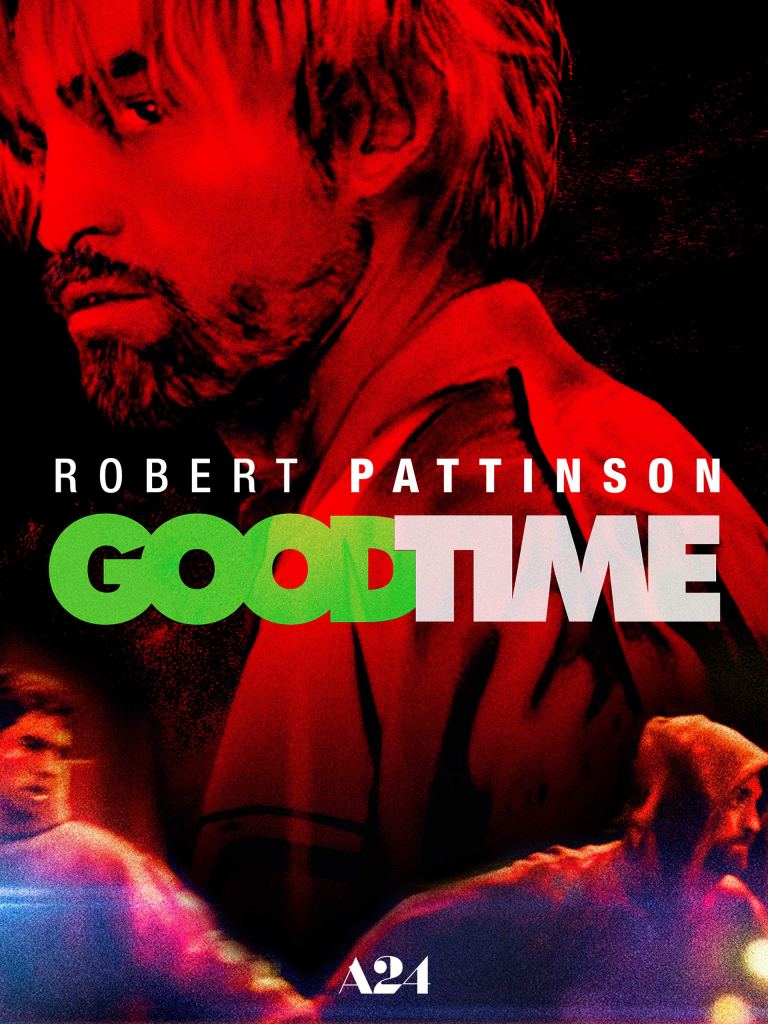
“Good Time” (2017) — With flickers of the young Pacino and De Niro, Robert Pattinson is revelatory as a scrappy, dangerous two-bit criminal who’s on the lam after a comically/tragically botched bank robbery. The feisty film, by the gifted Safdie brothers, pulls you on a rousing run-for-your-life tumble through nocturnal Queens that’s at once loose-limbed and sweatily taut. A raw portrait of redemption and ruin, pocked with ground-level authenticity, it thrills as it harrows.
“The Rider” (2017) — Chloé Zhao’s understated drama moves at the painstaking clip of everyday life, much like her recent Oscar-winner “Nomadland.” But little is everyday here: Brady (non-actor Brady Jandreau) is a rock star of rodeo bronc riding, until an accident in the ring leaves him slightly brain damaged. He’s forced to give up the only life he knows, outside of breaking colts, which he does with a calm, tough-love Jedi mastery. The film is a fine-grained portrait of the pains of getting back on your feet after life-altering disappointment, about rebuilding your spirit after it’s been body-slammed and shattered. Easily the most moving film of 2017, “The Rider” is pure distilled emotion, beautifully shot on the Dakota prairie.
“Eighth Grade” (2018) — Her chin and forehead dappled with islands of acne, 13-year-old Kayla is stuck in the excruciating pangs of adolescent metamorphoses. A smidge pudgy, she is awkwardly pretty, a butterfly half-jammed in her chrysalis, squirming to soar. Her two front teeth, jumbly and bucky, will break your heart. Played by the perfect Elsie Fisher, Kayla is the magnetic lead in Bo Burnham’s indie wonder. She’s an arpeggio of teen neuroses, a raw nerve that keeps getting pinged. It’s about today’s kids, glued to their phones, glazed in technology, and forging one’s individuality amid willful clones who gussy up their insecurities in narcotizing conformity. Kayla, a hero for the times, lives by her words, the dictums she professes on the videos she so bravely records on her phone. It doesn’t always work out, but watch her grow mightier upon each posting.
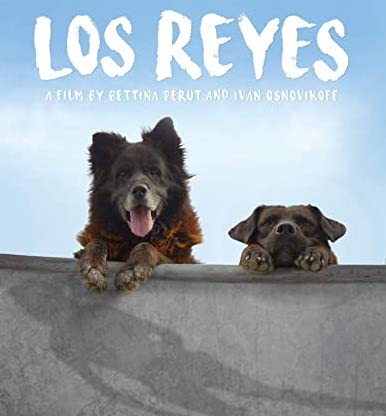
“Los Reyes” (2019) — In this inadvertently poetic, profoundly affecting doc from Chile, the camera veers from the skateboarding youth who cruise sinuous bowls to examine the laidback lives of BFFs (best furballs forever): Football, the elder, creaky-jointed cur, and Chola, the frisky female chocolate Lab mix that occasionally tries to hump a large pillow. Dispensing with anthropomorphic cutes, this astonishingly patient film relies on the dogs’ alternately mirthful and mournful antics, quizzical gazes, the way they doze unfazed among the rackety-clackety skaters, or a simple shot of Chola standing statue-still in the rain, getting soaked with the patience of a penitent.
“Uncut Gems” (2019) — Adam Sandler is off the hook, and it’s enthralling, like a buzzsaw to the head. In full serio-comic mode — he’s funny and foredoomed — Sandler plays a blingy, dingy New York jeweler who sees dollar signs even when there aren’t any. When he makes a reckless, big bucks bet that could set him up for life, he gets ensnared in a web of business buds, family and foes who all want a piece. Writers-directors the Safdie brothers (of the above “Good Time”) sustain such a frenetic frenzy in this chamber dramedy, you may feel wrecked.
“My Octopus Teacher” (2020) — The octopus cautiously unfurls a tentacle like a flower blooming in a time-lapse photo to the human hand before her. It glances the hand then suddenly sucks it, gently pulling it toward her. The moment carries the pitter-patter of courtship. Could this be love? “That’s when you know there’s full trust,” says the owner of the suction-cupped hand, free diver and filmmaker Craig Foster, in his rare doc. A viral smash, the film won this year’s best documentary Oscar. It’s something else: a simple tale about a grown man befriending a gorgeously slithery cephalopod in the swaying kelp forests of South Africa. Quietly instructive, it goes from lush nature doc to poignant octo-poetry.
“Saint Maud” (2020) — Poor innocent Maud. A reclusive nurse seeking Christian devotion after a vague trauma, she becomes the caretaker of an aging dancer dying of cancer. Detecting weakness, and death, Maud (a pretty, pallid Morfydd Clark) kicks into high gear, striving to save her ward’s soul from hellfire with an eerie resolve straddling the sacred and profane. Supernatural phenomena unfurl with a tang of Christian creepiness. Nothing is obvious in Rose Glass’ weird spiritual thriller, especially an amazing climax that will leave you snickering in squirmy, baffled awe.
With a camera trained at butthole level, the street dogs of Istanbul bustle across the city, romp in parks, negotiate congested thoroughfares, brawl, chase cats, gambol, loiter and partake in public humping.
This is a day in the life of the Turkish city’s derelict dogs in the patient, panting documentary “Stray,” released today. The film is a quiet, lolling chronicle of both canine and human behavior — the mutual respect and tolerance is moving — done minus narration. With few dramatic accents, though alive with built-in pathos, “Stray” is almost uninflected — unvarnished life through a studiously objective lens. What is spoken comes from the pups’ playful pantomime.
I’m on good terms with the stray dogs of Istanbul, having befriended, pet and fed several during my four trips to Turkey. The hounds are plentiful in the rolling, seaside city and are protected under a no-kill, no-capture policy. Each dog is registered, one of their ears pierced with an official tag. One of my favorite canine pals wore a red tag on her floppy left ear, leading me, with a poverty of imagination, to call her Red Tag.
They get you like that, these streetwise mongrels. Locals are mostly kind to the wandering, well-behaved dogs, leaving out bones and food and, when annoyed by them, gently shooing them away from storefronts and doorways. It helps if you have a soft spot for animals. My mushy affection led me to feed and pamper the friendly hounds, which I happily photographed. More than just memories, the animals were also sweet, licky mood-enhancers, a pack of therapy pups just for me.
Here’s where to watch “Stray,” and here are some of my street-dog snapshots.
“When I’m getting serious about a girl, I show her ‘Rio Bravo,’ and she better fucking like it.”
— Quentin Tarantino
It’s a truism that when you’re dating, or deep in a relationship, you want the one you adore to like what you like, be it a book, band, meal or merlot. That typically takes shared exposure, an excursion to a favorite restaurant, museum or bookshop.
And, of course, to the movies.
Romance in the flickering dark of a theater may be a dating cliché — shared popcorn, awkwardly slinking your arm around her shoulder — but it’s also a communal act of culture. It filters preferences and underscores taste. Will she like it? Did she like it? (She better fucking like it, as Tarantino says.)
I’ve taken risks on movie dates, bringing girlfriends to foreign arthouse films like “Fellini Satyricon,” Kurosawa’s “Seven Samurai,” Tarkovsky’s “Mirror” and Satyajit Ray’s “Pather Panchali.” (I never willfully tortured them with a Bergman dirge.)
‘Seven Samurai‘
These aren’t the easiest movies. They can be long, slow, thorny, with subtitles to boot. I don’t force it. If the film is proving a slog, I’m flexible. We walked out of “Satyricon” when I noticed the corpselike look on my girlfriend’s face (I’d seen the movie before, luckily).
New mainstream movies are fine, but, when possible, I lean to classics, rarities and art films. I got most of my cinema education at great revival houses in the serious movie towns of San Francisco, Austin and New York. Those funky theaters — the Castro, Alamo Drafthouse, Film Forum — are where I lapped up, wide-eyed, gritty film noirs, widescreen westerns, merry musicals and foreign essentials. It’s where I met Buster Keaton, Rita Hayworth, John Wayne and Anna Magnani and fell in love.
Sharing this love is part of a good movie date, and I’ve had wonderful experiences with women at “Casablanca,” “Duck Soup,” “Annie Hall” and “All About Eve,” as well as brainy documentaries by Werner Herzog and playful French New Wavers like “Breathless.”
They’re movies I want to see and expose my lovers to. I become an enabler, a tutor perhaps, unspooling new cultural experiences. I am, for one, forever grateful to my brother for introducing me to the fun, frenetic bliss of Hong Kong action flicks, from Jackie Chan to John Woo and movies like “Peking Opera Blues” and “Hard-Boiled.” You never forget the impact of that, much like your first kiss.
‘Hard-Boiled‘
Going to current movies is different. It means we’re taking a shared ride of discovery in the dark. A serious girlfriend and I watched “Dazed and Confused” and “Pulp Fiction” during their first runs (she loved them as much as I did, thank god). We got our classics fix watching “Sunset Boulevard” and Renoir’s “Grand Illusion” on video, rapturously.
It doesn’t always work out so well. One date rejected the virile operatics of Michael Mann’s crime masterpiece “Heat” (fail!), while another huffed and ridiculed my choice of adjective when I called “Reservoir Dogs” “astonishing” as we left the theater.
I know the feeling. I’ve been in the other seat, when I scorned a shared movie experience. My rants and tiny tantrums after sitting through the brain-dead “Titanic” and “Independence Day” come queasily to mind.
Then there’s the movie mistake, like when my brother took a girl to the emotionally devastating downer “Sophie’s Choice” on their firstdate. Nice libido killer, bro. She married him anyway.
Movie dates, then, are a fraught enterprise. What seems an innocent night out for easy entertainment can reveal telling value judgements about taste and temperament (she actually liked “The Notebook”?). They can even be deal breakers. (Again: she actually liked “The Notebook”?)
You take it personally. If I pick a movie I’ve seen before, I sit giddy and expectant, trying to gauge my date’s response, praying she likes it or at least endures it. As seriously as I am about film, however, I’ve never broken up with a girlfriend over a movie disagreement. That would be petty and asinine.
Coiled near its rocky den, the octopus slowly unfurls a tentacle like a flower blooming in a time-lapse photo to the human hand before her. It glances the hand then suddenly sucks it, gently pulling it toward her. The moment carries the pitter-patter of courtship, of holding hands for the first time. Could this be love?
“That’s when you know there’s full trust,” says the owner of the suction-cupped hand, free diver and filmmaker Craig Foster, in his remarkable documentary “My Octopus Teacher.” A viral smash, the Netflix film has been shortlisted for the best documentary Academy Award. Really, it deserves a special accolade, say, Best Buddy Picture Between Man and Mollusk. The movie is something else: devastating octo-poetry.
A simple story about a grown man befriending a gorgeously slithery cephalopod in the swaying kelp forests of South Africa, the film depicts the burly, soft-spoken Foster as a dedicated student of the ocean who is truly moved by the relationship he forges over a year with the sea animal that remains unnamed. (I suggest Octavia.)
Part of his lesson is noticing the striking similarities between us and these “alien” creatures, the way connection, interspecies or not, is essential and a well of bracing contentment. “It does give you this strange level of octopus joy,” notes Foster, saying words that have likely never been uttered before.
As a pupil, Foster is a keen observer, learning by watching his silent friend do what she does: hunt, hide, jet, crawl, swim and, sometimes, walk on two legs on the ocean floor. That trippy spectacle, both funny and boggling, is one of many scene-stealers.
She’s a gelatinous chameleon, enacting stunning physical transformations with her bulbous head, serpentine legs and polka-dot suckers to blend seamlessly into the Day-Glo surroundings. Her effortless shape-shifting is part of the movie’s multi-pronged magic.
“My Octopus Teacher” reminds me of many oceany things, like the charmingly odd adopt an octopus campaign at the World Wildlife Fund, where for a $55 donation you get a plush stuffed octopus, a photo, an adoption certificate and other tentacular goodies. It never occurred to me that octopuses were endangered, but WWF says they’re “vulnerable to toxins and pollution,” yet doesn’t that cover just about everything? (Please send me $55. I am endangered. My plush doll is amazing.)
As much as I love watching the delightful octopus in the movie, I love even more putting octopus in my mouth. Almost unavoidable on midscale restaurant menus — perhaps another reason they’re endangered — grilled octopus is hot stuff, up there with bone marrow and short ribs. Both chewy and silky, the meat has a mild sea-foody flavor complemented by a good fiery sear. Here’s a spectacular piece I scarfed in Barcelona:
I don’t want to eat the movie’s affable octopus. She’s a darling — adorably clever, wily and pretty, much like the picture itself, which is also fairly wrenching (brace for some drama).
It’s an elemental tale rife with homey pleasures: the hand holding, the snuggling, the mutual respect. The bond is inexplicable but palpable, right there on screen, like when Foster’s new BFF seems to be tailing him through the sea.
“That’s one of the most incredible feelings,” he beams, “to be followed by an octopus.”
In my first semester of college, Marlon Brando blew open my bitty blinkered brain.
I was 18 and watching the actor at a small on-campus screening of “A Streetcar Named Desire,” Elia Kazan’s 1951 film of Tennessee Williams’ torrid fever dream of a play. I was mesmerized, disturbed, rattled.
Who is this guy? I wondered. What is this guy?
I had seen Brando in “The Godfather” and “Apocalypse Now” on VHS, but this was different. This was the young, bristling Method actor, a radical of modern performance, searing the screen with unseen naturalism — a combustible churn of physical and psychological muscle, animal charisma, brute sexuality and roiling menace.
He was a new kind of screen male. He hollered and knocked things over. He was sensitive, a raw nerve. He was scary, feral. He was gorgeous. He was hideous. He was fantastic.
This, I thought, is what college is about: revelation, learning, getting gobsmacked by the greats. All at once, in that Brando bombshell, was a liberating feast of ideas and culture. The very next day, I borrowed a Brando biography from the library. I craved more.
A curious kid at a university in a wildly diverse, culturally rich city, I gulped it all, from Hong Kong action flicks to Zippy the Pinhead comics. In a city of famed seismic activity — yes, San Francisco — Brando was one of the first icons to rock my late-teen world.
Brando, smoldering
He wasn’t alone. Other cultural forces who uncorked my brain included, in no order: Beethoven; Sartre; the Marx Brothers; Shakespeare; Freud; Stanley Kubrick; the Beatles (I’d always known their music; I just didn’t know their music); Orson Welles; Buddha; Nietzsche; John Waters; Dalí; Bogart; Buñuel; Kafka; the Ramones; Fellini; Charlie Chaplin; New Yorker film critic Pauline Kael.
(Woke alert: I realize there is only one woman and, save for Buddha, exclusively white people on the list. This is just before I fell for Toni Morrison, García Márquez, Miles Davis and all the rest. As it’s the past, there’s very little I can do to remedy the situation.)
I adored my school. It was an institution that showed scant regard for sports and frats. (I sort of felt sorry for our neglected little football team, but not really.) It was the kind of liberal arts college where August Coppola — brother of Francis Ford Coppola and father of Nicolas Cage — was Dean of Creative Arts and the city newspaper’s erudite pop critic taught my History of Rock ’n’ Roll course.
Protests were big — pro-Palestine, anti-apartheid. The Red Hot Chili Peppers played the stamp-sized Student Union for five bucks a head. Director Sydney Pollack gave a seminar on filmmaking. Free movie screenings abounded. You barely needed class when almost everything around you was an education.

Take the campus library: nerdy, for sure, but a free, all-you-can-eat buffet of intellectual stimulation. There I’d watch esoteric documentaries, listen to concertos and symphonies and pore over rare books. It was all part of this teen’s great game of cultural catch-up.
And isn’t that what college is, a way to get young minds up to speed on the world, culture, history, life? It’s about my freshman geography professor dismissing the Bible as a book of fairy tales and the above rock history teacher expounding on the lush productions of Phil Spector, Fleetwood Mac’s “Rumours” and Springsteen’s “Born in the USA.”
It’s about watching bad improv groups perform in the dorms and serving as Opinion Editor on the fiery campus newspaper. It’s about eating falafel for the first time and meeting Allen Ginsberg at a reading of “Howl” at City Lights bookstore.
College as entrée to life’s rich pageant, untrammeled exposure — that’s how I took it. There were city museums and concert halls — at 19, I got a student subscription to the San Francisco Symphony — the Haight-Ashbury, its own mad cultural-historical corridor; movie theaters like the Castro, Red Vic and Roxie; plays at ACT and the Magic Theatre. Not to mention the cultural cornucopia awaiting just over the bridge in Berkeley.
I got my first good camera as a freshman, styling myself a shutterbug about town, a wee, wannabe Weegee. I got deeper into my drums, soaking up sophisticated masters like Steve Gadd and Terry Bozzio, learning to kick things up while toning them down.
It was all about finesse, those early college days, about forging newly freed passions into a prismatic worldview that made sense to me. And it began with a revelatory sensation that was balled-up in the raw, sweaty brio of Marlon Brando.
Not for a moment has that novel feeling stopped. Once launched on the journey of discovery, you’re pretty much stuck. College lit a fuse; the explosions keep on popping.
In my time as a film critic, I often brought along my own pocket camera to interviews with celebrities, either because I wanted to or the newsroom was simply understaffed that day. I was recently sifting through some of the resulting photos — glorified snapshots, really — and plucked a few that don’t totally suck. You might recognize some of these distinguished folks.
Tom Skerritt (“Alien,” “Top Gun”)
Chloë Grace Moretz (“Kick-Ass,” “Hugo”) at age 12
Lemmy of Motörhead
Sam Rockwell (“Moon,” “Three Billboards Outside Ebbing, Missouri”)
James Cromwell (“Babe,” “L.A. Confidential,” “Six Feet Under”)
Danny Trejo (“Machete,” “Heat,” “Breaking Bad”)
Bonus shot: James Hetfield and Cliff Burton of Metallica in a tiny nightclub in Berkeley, California, promoting their debut album “Kill ‘Em All” when I was 14