The days of our lies

“My days were pervaded by a gray drizzle of unrelenting horror.”  — William Styron

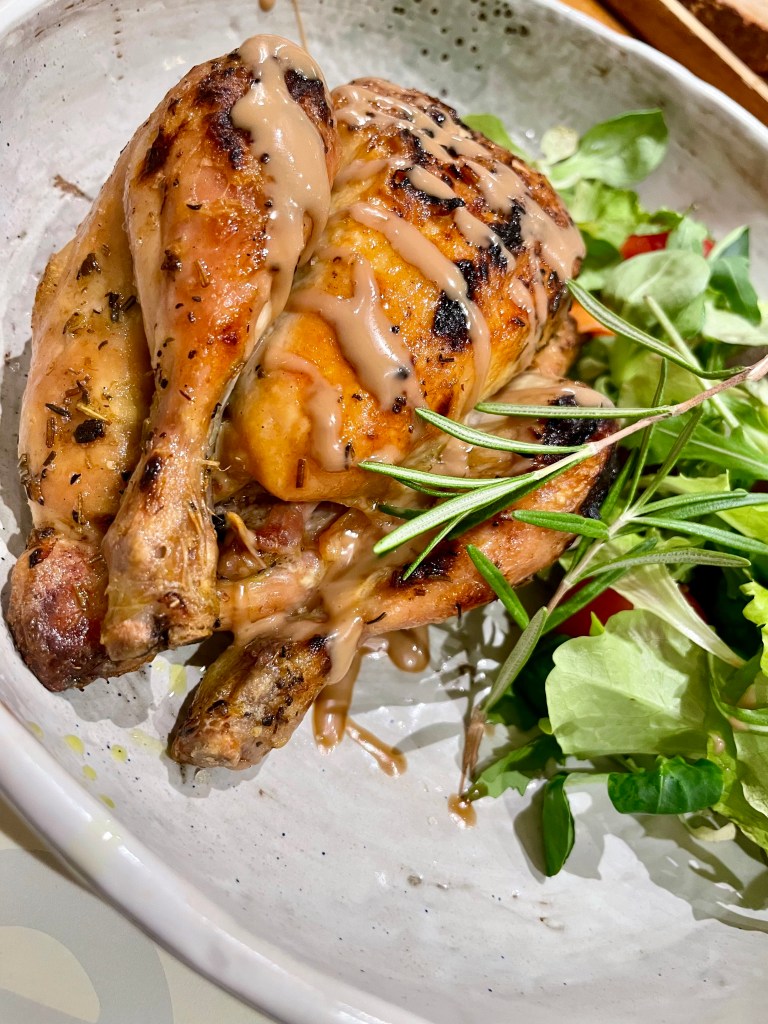
Woke up this morning mad hungry, my stomach whining like the undersea song of the humpback whale. I immediately craved French toast, or better, eggs Benedict. It was tragic. I didn’t have ingredients for either dish. Whatever. 

The dog heard me stir and scampered up the stairs and swan-dived onto the bed and stepped on my chest and licked my face. His mouth reeked of turkey dog mush — his scrumptious breakfast. For about four seconds I was turned off of food. When that passed, I remembered my breakfast predicament. Then that passed. I settled on a lowly bowl of granola. 

Mornings are rough. An inveterate night person — I perk up when the sun drops, nocturnal as a bat — “rise and shine” are curse words. While my dreams are reliably sweaty ordeals, haunted by ghosts of past, present and future, waking is almost worse, and lying in bed, eyes wide open, is immaculate torture.

That is when my mind somehow turns on me, lashing with mean, warped thoughts about almost anything, even the good stuff. For example, visions of my upcoming trip to Sicily become uncontrollably negative. I blow out of proportion everything bad that can happen, until I’m practically paralyzed with dread. I’ve nearly cancelled my trip based on these furious falsehoods. My therapist won’t return my calls.

Certain pills are meant to contain the mental carnage. I have those. And once I’m out of bed at, say, 9:15 a.m., things improve some. The “gray drizzle” quoted atop this post mostly burns off and I function like a mildly adjusted person, despite flashes of angst and misanthropy. (The self-flagellation hardly stops.)

It’s not all dread and roses. Nor is it “unrelenting horror.” Not always. It’s something in between — a little bit country, a little bit rock ’n’ roll; sweet and savory; the holy and unholy; the ripe and rotten. In the end, it doesn’t much matter. Really, it doesn’t matter.

Don’t eat dogs. Just don’t.

I would never eat a dog. This goes without saying, but I’m saying it anyway to broadcast loudly that I would never eat a dog. Or a cat for that matter. But this is about dogs, a bit broached by a new law in South Korea banning the consumption of dogs.

In a brief from today’s newspaper: “Breeding, killing and selling dogs for their meat will be banned in a country where it has fallen out of favor. Hundreds of thousands of the animals were still being bred for human consumption.”

The first sentence fills me with joy, relief and pathos.

The second sentence renders me a clenched fist of disgust, outrage and sorrow.

The story goes on: “A person who butchers dogs for human consumption could face three years in prison or a fine of 30 million South Korean won, or about $23,000 … The breeding and selling of the animals would be punishable by two years in prison or a fine of 20 million won.”

Not nearly as draconian as it should be, but a start. 

While South Korea joins Hong Kong, India, Thailand, the Philippines, Singapore and Taiwan as places prohibiting the trading of dog meat, millions of dogs are still slaughtered for their meat in Cambodia, Indonesia, Vietnam and other barbaric regions.

I know first-hand about the trade in Vietnam. Some years ago, riding on the back of a ramshackle moto-bike in Hanoi, my makeshift guide decided to swing by an open-air market where cooked dog remains — whole torsos, heads and tails — were displayed. 

He then took me to a “dog restaurant,” where a trio of giggly, visibly drunk male diners beseeched me to join them for some bubbling dog stew (I waved them off). It was nauseating. (Of course later, the guide and I feasted on a cobra that was slaughtered in front of us. This was not a banner day for animal welfare.)

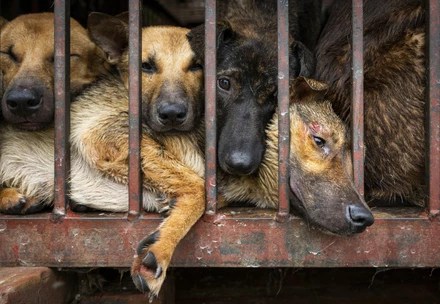
Thank god I saw none of this sort of atrocity, dogs caged like chickens:

The newspaper story has a link to Four Paws, an animal welfare group out of Australia, to which I just recently and coincidentally donated $100 and plan to drop more. I implore all animals lovers to do the same. Look at the site. It will break your heart, hopefully not your bank.

Sicily and beyond …

My brother and I bought our widowed stepmom a two-week trip to France for April, which makes an unbroken streak of family travel, as my brother just returned from Madrid with his brood, I go to Sicily in February, and my brother and his wife hit Italy this spring to visit my nephew, who will be studying in Rome. 

It sounds all jet-setty, but it’s pure coincidence. We’re hardly the Roys of “Succession,” or the Kardashians of depression. We’re strictly economy — zero legroom and chicken curry meals swathed in foil. 

But it works. It gets us there. No matter if I don’t sleep a wink during a nine-hour redeye. They say it’s not about the destination, it’s about the journey. Bull dookie. It’s totally about the destination when you’re flying United. 

I go to Sicily in a month. Never been, but I anticipate the ancient splendor of Rome and the graffitied scrappiness and coastal beauty of Naples. It’s “Godfather” country, once infested with mafioso, and I’ve booked a tour that’s actually called “No Mafia.”

Yet, if you’ve seen the Denzel Washington action flick “The Equalizer 3,” which unfurls in Sicily and is operatically violent, you might think the Italian mafia, namely the homicidal Camorra, are alive and killing. “No Mafia”? How about “Uh, I’m Afraid-So Mafia?”

Harbor of Sciacca, Sicily

Though I’ve been to Italy a few times, I’m re-learning some basic words and phrases, like “Do you speak English?,” which is a big one for me. I ask that constantly in foreign countries, often in plain English, which is both foolish and boorish. In Sicily I will politely approach a local, clear my throat nervously, and ask, “Parli inglese?” (That’s: par-lee-inglesy.) And then, most likely, be promptly bopped on the nose.

I’m really not such a klutz in my travels. I tread lightly, mindfully, and rarely find myself in awkward tangles. I keep my trap shut, until I’m desperate for a small pointer. (“Mi scusi,” I might begin. “Where is the toilet?”)

We are travelers, my family and friends. I returned from Budapest and Kraków in October and I’m already greedily charting a post-Sicily trip. Where? I haven’t a clue. For the second time, I seriously considered Ireland, but research has again left me cold and bored. Besides Guinness and grass, what is there? A plethora of pubs? Some castles? Rain? Sheep? Elves?

I read an article, “20 Cool Destinations to Escape the Summer Heat” — ditching the heat is a huge selling point for me — and it includes Alaska, Canada, Iceland, Norway, Chile, South Africa and more. 

Chile sounds aptly chilly and attractively off the beaten track. (I’ve only been to South America once, Buenos Aires in July 2022 — our sweltering summer, their swooning winter.) At a glance, Chile in July offers snow skiing, wineries and temps in the low 60s. Heavenly. I used to ski madly back in California. Though if I try to ski at this late date, I’ll wind up with two broken femurs, four cracked ribs and a neck brace. 

Meantime, Sicily, the largest island in the Mediterranean, beckons. It’s awash in zesty history, a strange (and strained) relationship with mainland Italy, world-class cannoli, singular pizza, and a people I hope will brook a humble tourist’s blundering attempts at speaking Italian. A tourist who, spongelike, yearns to soak it up, metabolize it, then, months later, jump to the next place with almost juvenile impetuosity.

As the cliché goes, I’m like a shark: I have to keep moving or I die. That’s glib, but rather true. And if it is, I’m definitely a Great White — tenacious, voracious, and dying for an authentic pizza margherita.

This week’s astounding headlines

‘turro de force

Onstage, John Turturro is a frothing, frenetic vortex, spewing barbed-wire invective, spittle flying, making you cringe and laugh all at once. He’s Mickey Sabbath, retired puppeteer, devout deviant, a 60-ish sybarite of unbound lusts, a Vesuvian id raging in the night (and day and morning). I recently saw this crackling Off Broadway performance of “Sabbath’s Theater,” adapted from Philip Roth’s acclaimed, notoriously naughty novel, and while the small cast is a marvel, it’s Turturro as Sabbath who harnesses the show’s electric eros, whipping us along on a ride of pathos-kissed perversion. Everyone — he too — leaves exhausted. 

‘Home Alone’ 2023

In the “classic” Christmastime movie “Home Alone,” a little brat played by little brat Macaulay Culkin — in one of the most implausible plot twists in cinema history — is accidentally left behind when his family goes to the airport to fly to Paris for the holidays. So Culkin is all by his lonesome in the big empty house, until two bungling burglars show up … and yada-yada. This year I’m that little brat, home alone for the holidays, my friends flung around the country, and my immediate family jetting to Madrid on Christmas Day. With my parents passed, I’m left with Cubby the magic dog, a pair of impish cats, and, if I get lucky on Xmas Eve, when goodies will be gifted, a tiny tank of swirling Sea-Monkeys, my Proustian madeleine conjuring the age of Pet Rocks and the Fonz. I’m a loner at heart. I spent 10 Christmases solo in Texas, so this is actually my comfort zone. Leftovers, tipples of egg nog, a CBD gummy, a great old movie. I’m set. It might even snow. And there, the tableau is complete.

Mamet’s mad

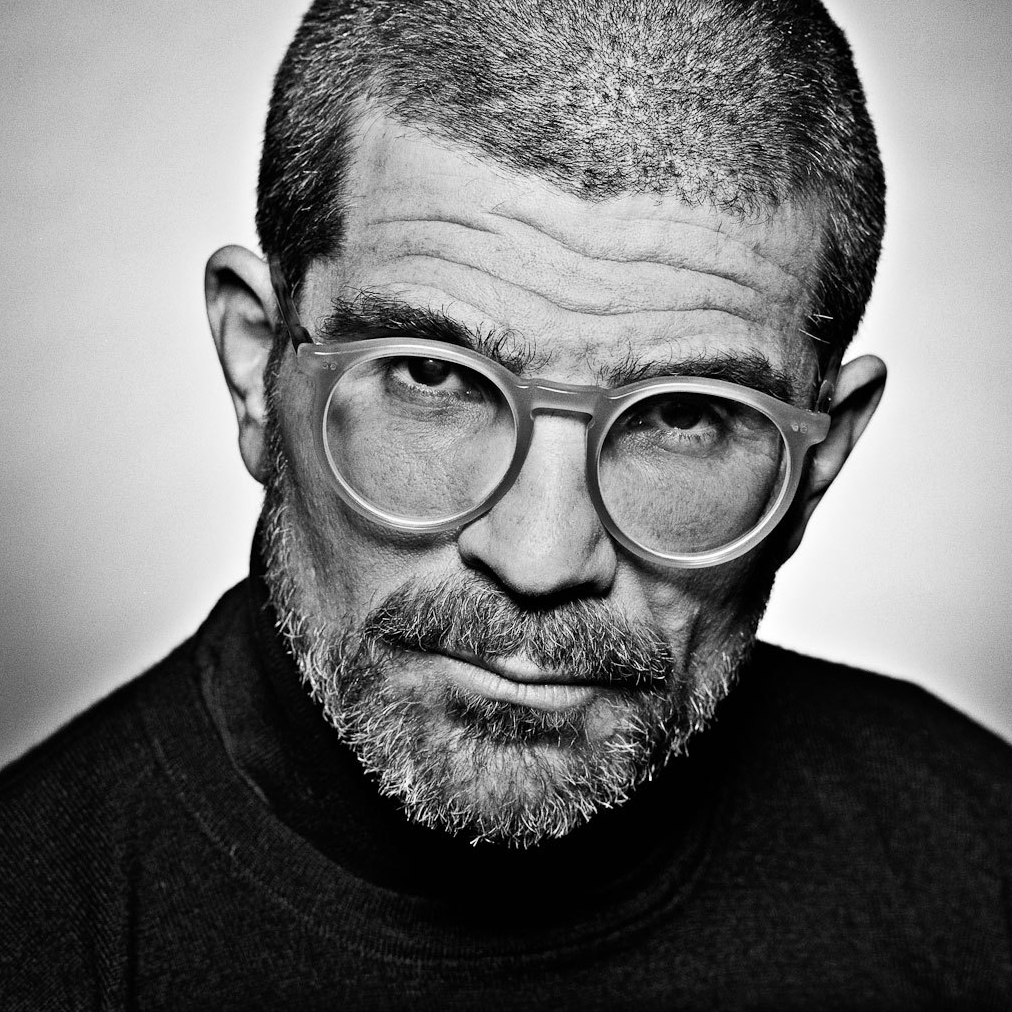
Though repulsed by his latter-day conversion to all things alt-right, I will listen to nearly anything playwright/screenwriter/director David Mamet preaches about the craft of writing. The Pulitzer Prize-winning playwright (“Glengarry Glen Ross”) has written a zillion books about writing and directing theater and film, as well as penned movies like “The Verdict,” “The Untouchables” and “Wag the Dog,” and written and directed 10 of his own movies, from “House of Games” to “Homicide.” Mamet’s been through the Hollywood wringer, and he’s pissed. His new memoir, out this week, is “Everywhere an Oink Oink: An Embittered, Dyspeptic, and Accurate Report of Forty Years in Hollywood.” I just got it, and though not quite a swashbuckling thrill through the fraught Hollywood jungle (see William Goldman for that), it’s peppered with Mamet’s signature biting commentary. Producers are venal scum (“Are none of you idiots paying attention?”). Race and gender are never off limits. Errant grumpiness is rampant (“If you put cilantro on it, Californians will eat cat shit”). And fascinating insights into arcane movie lore abound. Mamet can be astringent, but anyone who calls “School of Rock” a “wonderful” picture can’t be all bad. 

Packing my bags 

So, Sicily it is. My next journey is a return to Italy — no! To Sicily. For locals, the distinction is vital. I quote: “People from Sicily consider themselves Sicilians first and Italians second. Though Sicily is a part of Italy [the big island beneath the boot] the region has its own culture, traditions and dialect, and Sicilians are incredibly proud of their heritage.” I go in February, after the chilly holidays, before the heat sets in, and before spring religious rites flourish. The history-drenched capital Palermo is home base, with day trips to the ghoulish catacombs and the dazzling mosaics of Monreale Cathedral, plus food and culture tours and lots in between. Tips? Phone lines are open … 

Fido’s funk

It’s raining and the dog went on a walk and got damp and now he smells like a giant corn chip. He’s needed a bath for some time, and the drizzle has activated a slightly fetid doggy odor that happens to recall a processed dipping snack. Pass the Ranch?

In Eastern Europe, a chain reaction

The free-market floodgates of post-communist Budapest have let in the Wicked Waste of the West, from Burger King and McDonald’s to Starbucks and KFC.

My genial young guide on the Budapest Jewish Quarter tour last week let slip his attitude about the tawdry chain invaders when we passed a Hard Rock Cafe and I made a snarky quip. “I won’t even talk about it,” he huffed with a wave of the hand, as if fanning away a stench.

This, of course, is nothing new in my travels, or even in our very own USA. There’s a festering resentment of western chains encroaching on native businesses with crass venality. 

On another tour in Budapest a few days ago, the guide took aim at Starbucks’ coffee, explaining proudly how inferior it is to almost any local cafe offering. (True. I tried some.)

Grumbling about foreign corporate chains is a vigorous sport among the educated classes in Europe, bashing them and their ostensibly shoddy, unhealthy, unethical food products, sold with such vulgar aggression. (Apple, Gap, Nike and other mega-retailers get a breezy pass. A Mac is hip; a Big Mac not so much.)

Traveling in two post-Nazi, post-communist countries in recent days — Hungary and Poland — I enjoyed the dissonance of Old East banging heads with Newish West. I’m a wuss, sort of taking both sides in the argument, leaning toward the European stance. (I happen to think most fast food is execrable poison.) 

Now, beyond carping about capitalism, here’s a few pictures from a wonderful journey to a slab of the world I find beautiful, fascinating and unfailingly friendly. The trip — filled with head-spinning history, humbling humanity and killer cuisine — was a knockout.

The most famous “ruin bar,” called Szimpla Kert, a huge, arty pre-war ruin in Budapest’s hip Jewish Quarter
Budapest’s iconic Parliament through the window of a Danube River cruise
The infamous gate at Auschwitz, the Nazi death camp in Poland. Yes, some dolts took selfies there.
Main Market Square in Old Town, Krakow, Poland
Main Market Square, Krakow, from my hotel window, about 6:30 a.m.

Get up and go

Work, money, kids, pets — these variables can be holding you back from taking the plunge and taking a trip, an honest-to-god bona fide vacation, a far-flung journey to another land, preferably a place where English isn’t the primary language. (England’s great; Japan’s better.) I’m not talking the Bahamas or Cabo.

A neighborhood acquaintance and I ran into each other walking our dogs in the fallish cool today. She’s Mary, who I chat with about three times a year and was sporting a red shirt and red sunglasses. Her dog is tiny and hirsute. Like my dog, but bristly.

Niceties out of the way during this affable stop and chat, she asks, “Where are you going next?” I’m sort of known for jetting to some exotic-ish locale a couple times a year. (Jetting? We’re talking United Economy, baby.)

I tell her Budapest and Krakow, leaving in five weeks. 

Why Budapest, she says (though, oddly, she doesn’t ask why Poland). I say I’ve been meaning to go for years, but it never quite made my bucket list. But now I’m jacked. After deep-dish research, the Eastern European city beckons. (I didn’t actually use the word “beckons” in mixed company.)

“I wish I had that joie de vivre, that wanderlust,” Mary says, almost contritely. 

“But you do,” I say. “I think we all do.”

The dogs sniff each other’s buttholes.

I say that I don’t understand why people don’t travel more, don’t seize the day and make it happen. It’s about priorities. It’s about money. It’s about time. But it’s also about curiosity and interest in the world beyond. How does one not travel? Not harbor the galvanizing urge to move, see, taste, experience? 

I don’t say all that — I wasn’t giving a TED Talk — but I do tell her that travel is easier than you think. Once you finance it — travel cheap! It’s great! — the gears churn and plans get made. (I, of course, travel solo, so it’s even easier without the bulky carry-on cargo — i.e., another person.)

Mary seems flustered, like she can’t answer why she doesn’t get up and go. Which I find odd, frankly. She has a husband and a dog, no kids — that latter part is crucial. She’s practically free! 

“Where have you gone in the last five years?” she asks. 

I think I actually rubbed my chin as I tried to rattle off some destinations: Naples, Rome, Portugal, Scotland, Turkey, Japan, Paris, Bueno Aires … Then it felt show-offy and I trailed off. I did stress Istanbul as an extra special destination, and she seemed genuinely intrigued. She proposed we get together and talk about my trips and look at photos from them (with her husband, of course), emphasizing Turkey.  

She was coming around. In just minutes of gabbing on the acorn-cobbled sidewalk, she was getting the bug. Travel: it’s an infectious disease. And it’s almost totally benign.

Except for this little hitch: it will blow your mind. 

Facing evil

Let’s not get all down about it, but I’m reading “Survival in Auschwitz,” the slim and indelible account of life in the most notorious Nazi concentration camp by Primo Levi, an “Italian citizen of Jewish race.” Published in 1947, the pages bulge with terrible and inconceivable realities, much of it learned about in any decent schooling, yet far more personal and unsparingly granular. The horrors are shattering.

So I will spare you. I’m reading the book, an autobiographical classic, because of my upcoming visit to Auschwitz, just outside of Kraków, Poland. My trip, as I’ve oft-noted, takes me to Budapest, then Kraków, where I went years ago, including the day trip to the concentration camp, which is now a haunting al fresco museum that staggers with its bleak, blunt truths. Even the gift shop (yes, gift shop) is stained with gloom.

Why do we go to such places? I know someone who said he would skip Auschwitz if he went to Kraków, a fact I find astonishing. Few places throb with such recent history and so many fresh ghosts and has shaped so much of the modern era to now. It’s living history, inescapable. To duck it, inexcusable. 

That’s just me. Genocide is vital and we should be exposed to it as a reality check and cautionary device. Visiting Auschwitz (or Duchau, which I toured in Germany) is mind-expanding. It’s not a place for morbid curiosity or ogling. It’s a place for reflection and wonder. Like any potent museum, it works intellectual muscles and, more so, wrenches emotional ones. It’s as powerful as any Holocaust memorial or, similarly, the 9/11 Memorial and Museum. Its utter humanity rumbles, and humbles.

I have a strong stomach for dark and doom. I seek out shrines to deformity and mortality, like the Mütter Museum in Philadelphia, the Museum of Forensic Medicine in Bangkok, freak shows and books about human oddities. I always make a solemn visit to Holocaust museums, be it in Amsterdam or Israel. Or, of course, Auschwitz-Birkenau. 

It’s not about luxuriating in morbidity or getting a “thrill” from death, like some sophomoric Goth, who gleans reality from graphic novels and zombie movies. It’s the opposite, being repelled by it while pondering the strength, the sheer fortitude, of the victims and acknowledging that it can’t happen again. The triteness of that statement is a reflection of its truth.

In “Survival in Auschwitz,” Primo Levi writes eloquently of struggle and endurance in the face of naked evil inside the death camp. His spirit is wounded but unbowed. Survival is paramount, and he carries on because it’s all he can do. 

He says: “Sooner or later in life, everyone discovers that perfect happiness is unrealizable, but there are few who pause to consider the antithesis: that perfect unhappiness is equally unobtainable … Our ever-sufficient knowledge of the future opposes it, and this is called, in the one instance: hope.” 

Late summer litany

1.Late summer rain, lusty breezes, 70 degrees — paradise. Fall is knocking and I’m tripping over myself to answer the door. Of course more heat is brewing — it will hit 86 on Saturday — but the wind and wet is a heartening preview of the best season of all. Autumn is when I travel. It’s when I look for clothes — jackets, long sleeve shirts, shoes maybe. I recently bought a new watch and new glasses, both of them a shimmering blue, though any color coordination was strictly fortuitous. I’m not that fashionable. I consider the items fall purchases, as the watch is largely a travel accessory and the glasses signify renewal and optimism, things, perhaps counterintuitively, I associate with fall. (Plus, my prior glasses needed a new prescription and I never did like those old frumpy frames.) So summer’s in retreat. Cooler climes and shorter days are coming. And I’m getting all celebratory.  

2.The Little Rascals they’re not. But these kids have vim and spunk and initiative, an entrepreneurial spirit that fuels their gumption to holler at passing strangers who are easily a foot taller than them: “Lemonade! Get your lemonade right here!” These neighborhood urchins, some seven girls and boys, are tracing a wholesome tradition from way back — I’m thinking Tom Sawyer days. Times have changed: Their tangy beverage is displayed in bougie glass dispensers, from Ikea or West Elm. And they demand $2 per cup (in my day we charged a quarter!). It’s the last lap of summer, and here I come strolling under shade trees lining the hood’s main artery, a sitting duck. I’m buffeted by the blandishments of piping young voices touting their wares. But I am stuck. I’m carrying no cash, and evidently they don’t take Visa. All I can do is tell them this and walk on. It’s embarrassing, a little. But it beats what happened to me when I was hawking lemonade as a seven-year-old. “Lemonade!” I yelled at a passing car. The driver turned my way and flipped me off. Those were the days.

A stock photo, but look at that wad of cash!

3. Sometimes — no, almost always — a good, hard pop song is just the thing. I’ve been rediscovering two of the best power pop bands of the ‘90s, Jellyfish and The Posies, who prove a genius for the grooving, hair-tossing, sing-alongy pop hook. Plucking styles from a sequins rainbow of catchy, often ethereal influences — Bowie, The Beatles, The Beach Boys, Queen, ELO, Supertramp, Cheap Trick, with a pinch of psychedelia and a pound of Phil Spector — Jellyfish and The Posies layered sweet melodies atop bombastic rhythms and throbbing drums: sugar-coated hand grenades. Their greatest albums, Jellyfish’s “Spilt Milk” and The Posies’ “Frosting on the Beater,” rock as hard as they pop. Lush melodies and harmonies reign. And, especially in the case of Jellyfish, their sound and look is consciously sui generis; Day-Glo and dapper, the group seems right out of Sid & Marty Krofft. Even now, the bands crackle with a big bubblegum snap. Hear them here and here. (What happened to them? Grunge happened.)

Jellyfish, working hard at being psycho-delic.

4.My trip to Budapest and Kraków is precisely two months away. I know, it seems like I’ve been gabbing about it for an eternity. That’s because I have. Vacations are like that: you plan them, book them, then hurry up and wait. For months. Two months left. Grueling, but at least summer (*#$&!) is almost over. I’m still fussing with some fine points of the trip, like booking an overnight sleeper train from Budapest to Kraków (they told me to wait till the end of the month). And netting a spot at a coveted restaurant in Budapest (they told me to wait till mid-September). See, I’m ahead of myself. I booked hotels and dinners and tours four months in advance. Question: Should I really pop 30 bucks for a 45-minute tour of the Hungarian Parliament, which is beautiful and jewel-encrusted? I’m chewing over that one. But I’m pretty sure I know the answer.

Nope.

Watching it

My wrists are boldly bare of beads, bands or bangles. I haven’t worn a watch in too many years to count. Bracelets, even the hippie/friendship kind, are no longer my style. And it’s alien when they snap on those paper wristbands at concerts and parties; I suddenly feel over-accessorized, or worse, like an inpatient. 

In my early world travels, I would sport a cheap little watch (a Casio, I think) before I owned a cell phone. Prior to that, I wore nothing on my wrists, unless you count the spiked leather bands we’d strap on as teens at metal shows, and I’d rather not.

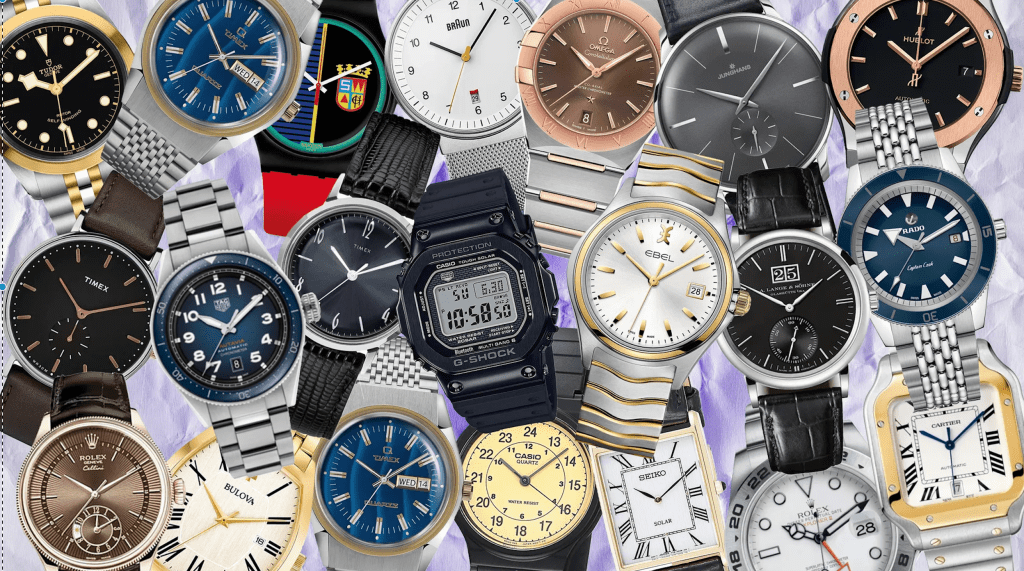
The other day, however, I was transfixed by a banner ad for a watch. Granted, it was for an aggressively blue Swatch, which I knew I wouldn’t pursue, but it unfurled a vista I haven’t taken in for a very long time. A watch. How novel. I mused: Is it, um, time?

I suddenly became perversely excited for something as dully utilitarian as a … wristwatch. Like the time I just had to have this pair of Italian sneakers, or got an irrational urge to go to China (which I did, and I’m glad). Every once in a while, I can get almost maniacally materialistic: I must have that — now! And so, quite obsessively, I plunged into the world of watches. 

Down the rabbit hole I went, heedless, with fierce attention to fashion and function, while avoiding the bejeweled Omega and Rolex price brackets (rackets), as well as over-compensating smartwatches. With watches, I’m strictly a dilettante, not Flavor Flav. A couple hundred bucks, tops, maybe a mite more. And hold the bells and whistles. I’m also not an astronaut.  

After some initial scouring of mostly lame watches, including a bizarre glut of Snoopy timepieces, I spotted a handsome Timex, black brushed metal with a brown leather strap, at upscale men’s fashion outlet Todd Snyder. The piece is sporty, hip, sleek.

I bought it. I got it. It failed. 

I have spectacularly small wrists, roughly the circumference of kindling, and the 41mm watch face looked like a Chips Ahoy! cookie on my arm. Mammoth. It made me sad (and hungry).

Lesson learned — hopes burned — I began searching for 36mm to 38mm sizes, anything that wouldn’t look like a hubcap on my wrist. But these sizes are relatively scarce, so I couldn’t be picky. Yet I was coming across butt-fugly contraptions barnacled with dials and buttons and faces so complex, night vision goggles are required. I wasn’t joining the Navy Seals.

And then, there it was. A classically simple, elegantly plain analog watch, subtle and smallish, with a handsome olive green face and gold hands and digits and a tasteful black strap. It’s also a Timex, released in collaboration with Todd Snyder, an exclusive limited edition, and thus a few more dollars than I wanted to spend. It’s on its way as I type this. It better kill.

The hours spent shopping for a watch were exhausting and preposterous, and I only found two I liked. But shopping is a contact sport — mean, raw, intense. Be it looking for a Honda or a house, you scour and winnow and balance a mountain of variables (unless you’re shopping for a loaf of bread, say, and then the drama drops significantly). It can be arduous, but it’s also fun, because buying stuff is fun. I think this new toy will fit the bill. Just watch.

  • Update: The watch arrived today. It’s the size of a hubcap.

More marvelous miscellany

1.One of my least favorite things in the world, after e-scooters and ravers, is sweating. Which means I am not a happy fellow. Why? Right. Because I am sweating. And rather a lot, swamp-ass and all. Somehow I thought it’d be a swell idea to take a brisk walk in the 92-degree blech of midsummer. The light sweat I produced outside — a mere film — quickly metastasized into a profuse drenching once inside. Forty minutes later, in powerful AC, it has yet to subside. How bad is it? The dog is licking me avidly, like I’m a giant piece of beef jerky.

2.House of Terror — how kicky is that for the name of a major tourist attraction? It’s real, and it’s not a ride at your local carnival. This daunting museum is in Budapest, where I head this fall, and it isn’t about ghouls and goblins. Or, well, it sort of is. Per its description: “It contains exhibits related to the fascist and communist regimes in 20th-century Hungary and is also a memorial to the victims of these regimes, including those detained, interrogated, tortured or killed in the building.” History writ large. And horrible. I’m so there, with solemn intentions, despite the thrilling name. 

3.Just finished Paul Harding’s newish novel “This Other Eden” on the dazzling strength of his first book, the 2009 Pulitzer Prize-winning “Tinkers,” which is uniquely mesmerizing. “Eden” limns Black American history in its many facets, including, troublingly, eugenics. Harding is an uncompromising stylist, forging gorgeous, gem-cut prose that’s sometimes too infatuated with itself, yet nevertheless tells a fascinating story. Harding writes like few others — Cormac McCarthy and Faulkner come to mind — but he can stumble on his own lush verbiage. He is a flawed master.

4.The new documentary about massive but short-lived Brit pop duo Wham! — aptly titled “Wham!” — is out on Netflix, and the trailer promises a bubbly, bubblegummy, bing-bang time (“Wake Me Up Before You Go-Go,” anyone?). The movie, a giddy romp directed by crack documentarian Chris Smith, isn’t, alas, as brawny as frontman George Michael’s uncrackable Aqua Net helmet. It’s strictly for googly-eyed fans who can’t be bothered with pop music history, laser-focusing on bandmates’ Michael and Andrew Ridgeley’s frolicsome BFF status and their improbable rise from cheesy teen wannabes to slick arena-fillers. Critically missing in this narrow nostalgia trip is cultural context, as if Wham! exploded in an ‘80s vacuum, with little competition and no help from juggernauts like MTV. And it doesn’t even footnote Michael’s untimely, and seismic, death as a solo artist. Wham! Bam! Thud.  

5. Speaking of the dog (see #1), Cubby was recently shorn like a poor gray sheep, which I documented here. The good news: his hair is growing back in the summer swelter. He no longer resembles a fuzzy Pringles can — he’s not so tubular — and he’s stopped nipping the parts that were so short, pink flesh was exposed. He’s returning to his bushy self, and his attitude is boinging back — a little cocky, vain with a scruffy bedhead sheen, and as fierce around the UPS folk as one can be behind a closed door. His yawps and barks still shatter glassware, but that’s OK. Pretty soon he’s going to look like Slash again and the process will start all over. Our little lamb chop.

6.Then there’s this: I was strolling in the summer heat (see #1 again) and some shitty beat-up compact sedan roared past me, easily doing 50 to 60 in a residential  25 zone. Startled (and pissed), I yelled, “Slow down!” The driver flipped me off and I reflexively returned the gesture. He barreled into oblivion. Then I thought: Smart. That’s a good way to get yourself killed. Jackass might have a gun, might want to turn around and use it. Sweating like a madman, I kept walking, ruffled, looking at the world in a slightly different shade.