Books I’m not ambivalent about

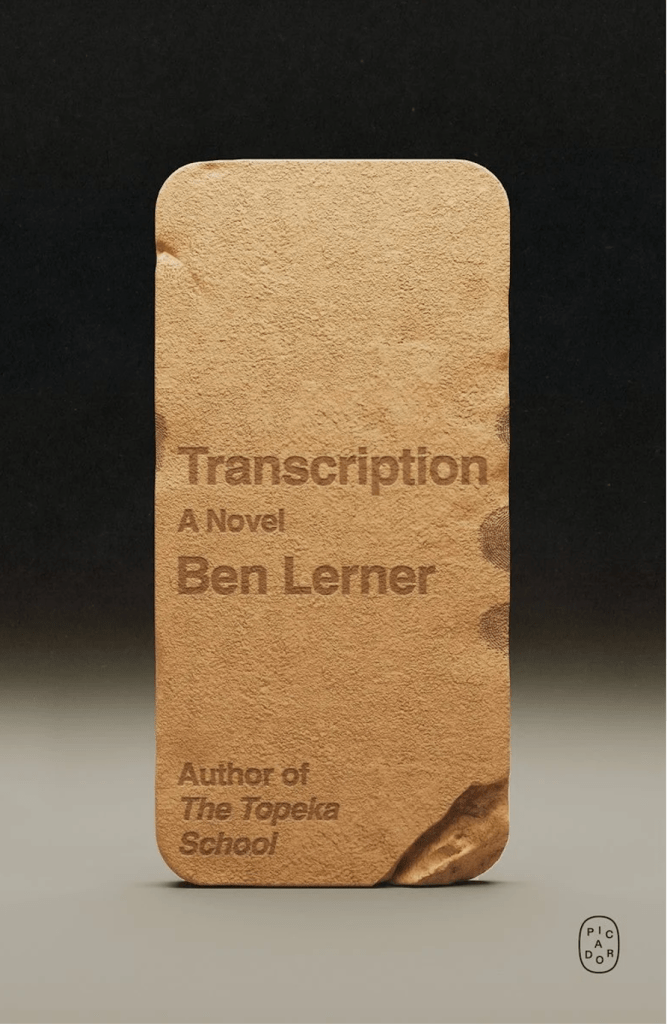
“Transcription”

I could see this happening to me: On the way to interview a very important person, you drop your phone, i.e. your recording device, into a sink filled with water. Phone ruined, you are forced to interview the person without a recorder, a fact you fudge by reconstructing the confab from memory for your article, a high-wire act and any writer’s nightmare. Novelist Ben Lerner — who’s also a gifted poet and has been dubbed the “most talented writer of his generation” — uses this premise as a springboard to something timely, profound and ineffably transfixing. A novel in name only — think the brainy consciousness streams of Rachel Cusk — the 130-page “Transcription” presents a nameless narrator and two other men in conversations about art, life, friendship, fatherhood and technology amid the backdrop of early Covid. Plot is nebulous and tricky to summarize, but the brilliance at work is distinctly Lerner’s. (I’m an avid fan of his novels “Leaving the Atocha Station” and “10:04.”) Lerner writes deceptively plain prose with a wizard’s wand — simple on the surface, yet each hypnotic line peels layers of insight and meaning. It’s all mesmerizingly meandering, to a destination both uncommon and rewarding. 
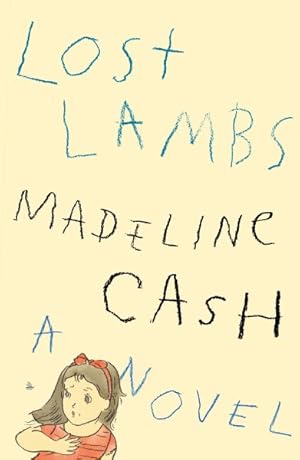
Lost Lambs”

In this sharp and irreverent new novel, Madeline Cash flips notions of family, marriage, community, church and capitalism to expose their crawly underbellies. It’s prickly, spot-on, strange. And hilarious. The book’s many moving parts include an open marriage that veers to amorous calamity; star-crossed trysts; a trio of precocious teens that grazes danger in a vile adult world; a tech billionaire whose dealings are creepy at best; and a church Father whose hands may be scandalously dirty. Cash trains a compassionate bullseye on those creatures called teenagers and a cynic’s bead on the perilous pact of matrimony. (“The biggest conspiracy of all? This whole love thing,” a character sniffs.) But Cash isn’t cruel. She exudes empathy and openly likes her characters — the ones that deserve it. “Lost Lambs” is frothy literary fiction, until it’s not. It is droll and buoyantly written yet lands the well-placed left hook. I can imagine it becoming a four-part Netflix series, a smart, soapy, surreal dramedy starring Ben Stiller and Laura Linney. If it happens, I won’t watch it. I’ll stick to the book. The book is always better.
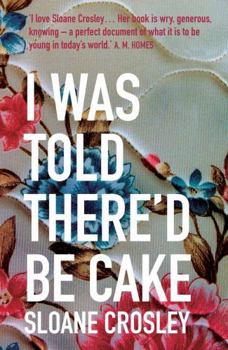
Three humor collections by Sloane Crosley

David Sedaris is the standard-bearer of comic essays. I believe this is wrong. I believe he is drastically overrated. I believe he is rarely actually funny. I believe his prose is limp. I believe his professional persona is as confected as a Girl Scout Samoa. You know who’s wittier, hipper and more stylish? Sloane Crosley, who’s written three collections of humor essays that impressed me enough to sit down and commit hosannas. Her first collection, “I Was Told There’d Be Cake,” is best. It also has the best title. Although “How Did You Get This Number,” her second book, and “Look Alive Out There,” her latest collection (from 2018), also have wry, hooky titles. Part-journalism, part-memoir, Crosley’s essays are first-person escapades, experiential and anecdotal and typically relatable. They bristle with razor observation and social commentary. Here, she mordantly muses about her only slightly embarrassing collection of plastic toy ponies. There, she riffs on her fraught city-girl excursion to Alaska, where, in an SUV, there is one guy among many women: “He is our lone star of testosterone in a galaxy of chick.” She deconstructs the bizarro experience of playing herself on “Gossip Girl” and takes merciless stock of her dating life. It’s not all playtime. Crosley doesn’t duck drama and high stakes (her queasy adventures in altitude sickness are almost contagious). Like Sedaris, some of Crosley’s situations and interactions smack of exaggeration or plot-propelling fancy. Such is the plight of the mass-consumed writer — feed the beast. Though the humor is a soft weave, coolly conversational, she can be overtly jokey, and the jokes rarely clank. Her voice is reliably amusing, cut with a measure of snark that gives her sweet prose a tangy kick.
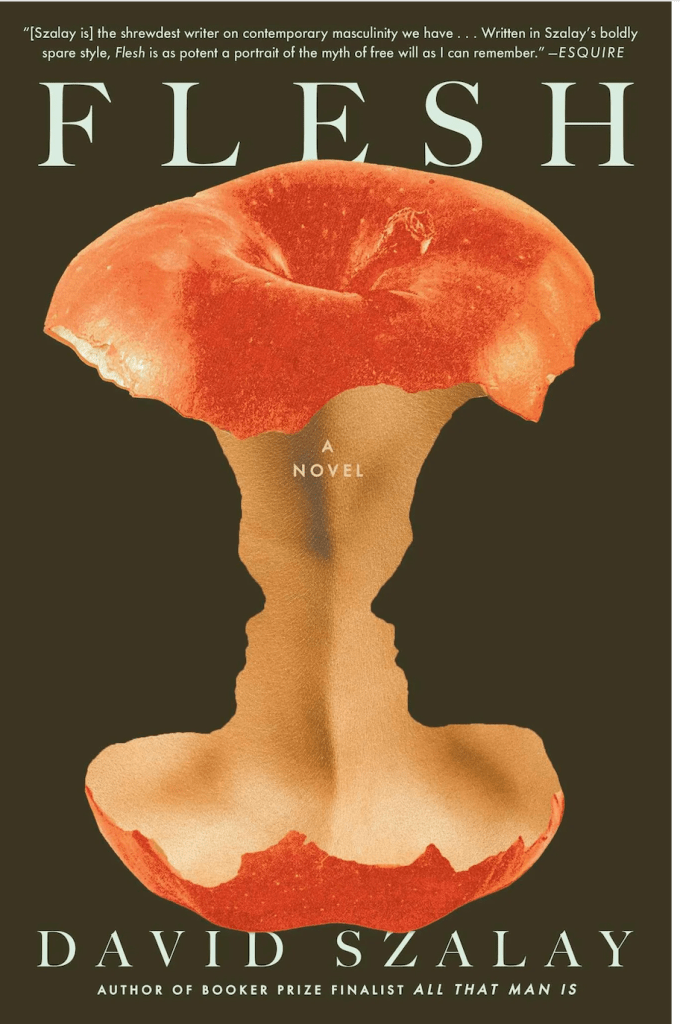
“Flesh”

In minimalist language so parched it’s practically puckered, David Szalay spins a story of the classic Solitary Man, a Hungarian immigrant in England named István who embraces a nearly non-verbal solitude as a shield against a world of discomfort. We follow this modern existential character from his cringey deflowering as a teen to his coupling with a rich married woman and decades beyond. Szalay’s tensed prose mirrors the character’s isolation, which occasionally sees shafts of light. While his interior life remains unexamined — his disaffection can be frosty — István is no cipher. He’s a well-drawn loner, a compelling picture of alienation. He’s also something of a symbol, a metaphor for class, urban malaise, the gesture of empty sex and deep loss. (It’s telling that his extravagant cigarette habit is a key character trait.) István fascinates by dint of what he shows as much as by what he withholds. What’s so remarkable about “Flesh,” which won the Booker Prize in 2025, is a descriptive precision and drum-tight realism that would make Hemingway beam. Grim and gripping, it’s a master class in control.
Books, bookings, and Bourdain

A few things banging around my head this week …  

David Sedaris has a new book out. Whoop-dee-do.

Expectedly, knee-jerkingly, reviewers have stumbled over themselves to praise the foppish funnyman’s latest collection of personal tales (often tall), diary entries, cultural observations and social sniping. 

Snicker-worthy at his very best, Sedaris, a humor essayist for The New Yorker, has made a cottage industry out of wan, admittedly embellished autobiography, droll stories about his family, his husband and his privileged moves to the French and English countrysides. 

Turning life into literature, he is frank, irreverent, sassy, yet sensitive, as any good writer should be. And he is a good writer, even if his language is baldly prosaic, stylistically flat-footed, determinedly unadorned, dare I say drab. (I said it.)

Overrated, with thousands flocking to theater-sized readings to hear his nasally, high-pitched deadpan — I’ve been there — he’s not exceptionally funny or insightful, though he taps a reservoir of honest empathy. He’s a queer, urban Erma Bombeck, flattering a particular strain of hipster and sophisticate with teeny tee-hees. 

***

I’m pumped about Portugal. Barely back from Paris and already I’m poring over books and sites about Lisbon and Porto, legwork for a weeklong stay in mid-January, when I’ll probably get soaked by merciless rain (while temps hover at a balmy 58 degrees). Paris must feel like a betrayed mistress.

The flight, which cost less than a good winter coat thanks to an airline credit, is booked. Hotels, at seductive off-season prices, are booked. Two walking tours, including a Porto food tour, are booked. 

I got back from Paris exactly one week ago. I am shameless, a monster. 

Unlike Paris, London or Spain, Portugal isn’t front-loaded with blindingly spectacular sights and museums. It instead thrums with an old-world vibe, cobbly neighborhoods spread over San Francisco-y hills, views and plazas and churches and food, including unparalleled bounties from the sea, and of course the people. (My people. As mentioned before, I’m of Portuguese descent, though my ties to the country are tenuous at best. I’m a terrible ambassador.)

It’s a walking world, Portugal. I plan to amble, stomp and stagger through the country’s two biggest cities, with the very occasional — and very cheap — taxi for longer hauls. A picture says so much, and makes the heart do a jig:

Porto

***

Smarter, funnier, better looking and a brilliantly better writer — not mention an infinitely superior cook, natch — Anthony Bourdain and I still had a lot in common. 

We’re both wanderers, seekers, a little profane and rough around the edges, smart-alecks, atheists, ironists and guiltless sensualists. We’re angry, fiery and melancholic. We’re easily bothered and bored, and don’t always know what to do about it, except, in many cases, hit the road.  

And like him, for all my searching, I’m still not sure what I’m looking for. And I’m pretty sure I will never find out. Bourdain, a suicide in 2018, probably never did either.

This hits me watching “Roadrunner: A Film About Anthony Bourdain,” a moving, multilayered documentary about the celebrity chef, author and influential television host by gifted filmmaker Morgan Neville (the Oscar-winning “Twenty Feet from Stardom,” another masterpiece). 

Sure we had things in common, but Bourdain, in his books, shows and this remarkable movie, cuts a troubled figure, the classic brooding, almost romantic enigma who toggles manically between wonder and woe.

With his streamers of verbiage, buoyantly prickly charm, zeppelin-sized attitude (and ego), lanky strut, tats and designer shades, Bourdain was hipster as tour guide, a foodie philosopher, man of the world who was always just a little itchy in the role. He was the reluctant rock star — cynical, self-effacing — who still craved the glory, glamor, privilege and, alas, the drugs, including heroin, that came with it.

At his best Bourdain was an influencer before the term gained the narcissistic kiddie cachet it flaunts today. Before any trip, be it Toronto or Tokyo, I watch a rerun of “No Reservations” or “The Layover” to get a voluptuary’s feel for a city and nail down must-do destinations of plate and place. I’ll be rewatching his “Parts Unknown” episode about the food and culture of Porto soon enough. I trust him to steer me to the coolest and most coveted spots. He hasn’t failed me yet.

The programs, of course, are as much about the man as the places he visits. They’re about getting an earful, and a mouthful, from a dark, dazzling host who found so much joy between grumbles. He made the dangerous seem divine, just how I like it.

***

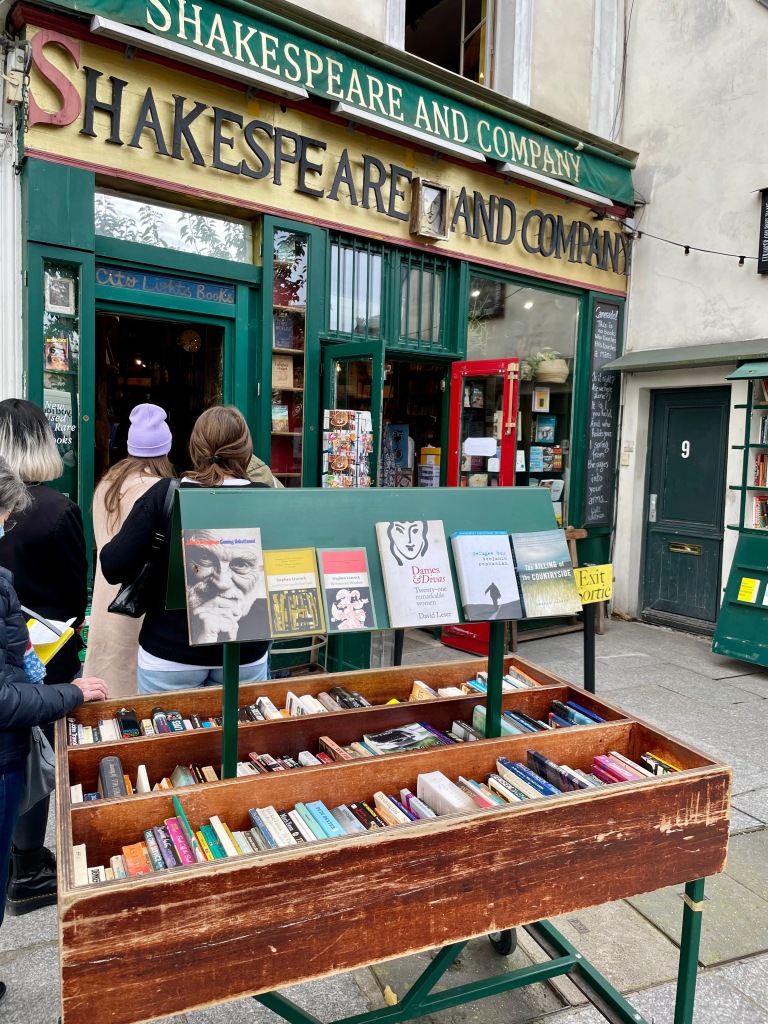
When in Paris, I always duck into the fabled Shakespeare & Company bookstore, smack on the Seine on the historically literary Left Bank, where Joyce, Hemingway, Fitzgerald, Stein and Sartre tippled and typed, spinning the blank page into eternal art. 

Cramped and crowded with tome-seeking tourists, the creaky-floored shop, honeycombed with nooks, alcoves and twisty aisles, specializes in French and English language literature — no junk, just the good stuff. It’s not snobby. It’s just smart. And the English-speaking staff are unfailingly cheerful and helpful, stamping your book with the store’s inky insignia. It’s a pulp paradise, the kind that makes a bibliophile go a little mad with delight and desire.

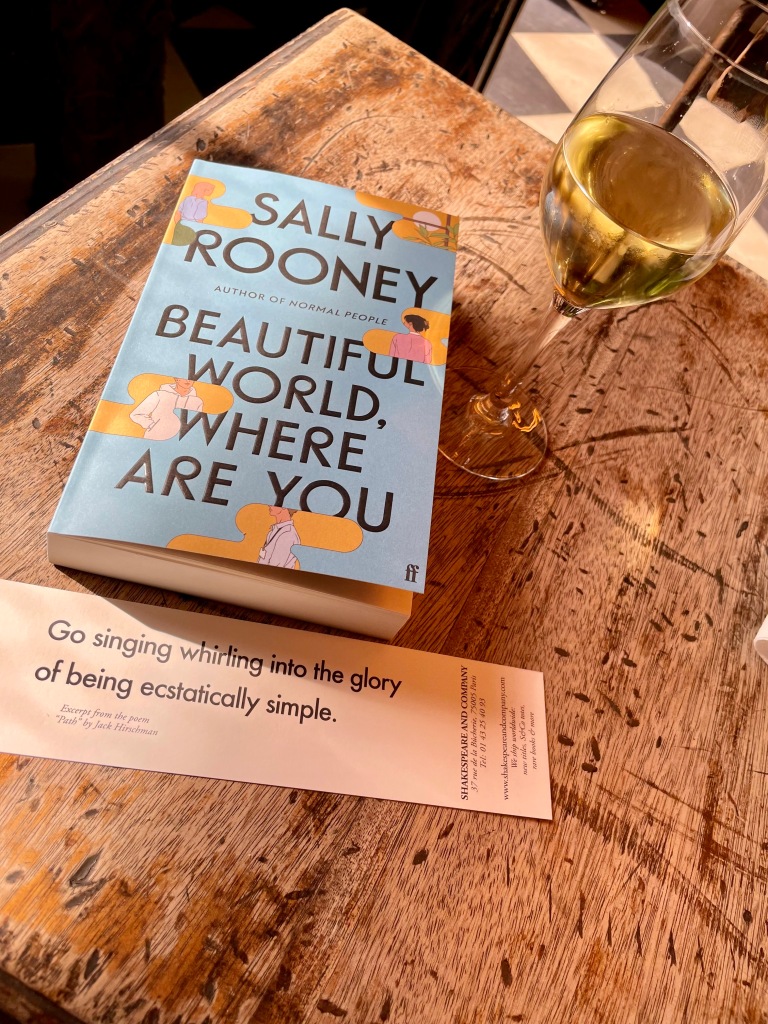
I went firmly middlebrow on my recent pilgrimage, grabbing a paperback (it’s only available in hardback in the States) of Sally Rooney’s new novel, the wincingly titled “Beautiful World, Where Are You.” I cracked it immediately, reading in bars and cafes with a Chardonnay or latte on hand. 

The Irish Rooney (“Normal People”) is a reliably breezy read, plainspoken, occasionally lyrical, but mostly succinct and pinched. Her control is impressive and her sturdy, confident voice makes you want to follow her wherever she’s going, which often includes naked people. 

I just finished the book on my return from Paris and enjoyed it. It covers Rooney’s preferred topics — love, sex and friendship, yearning and ambition among anguished millennials — with detour discussions about Marxism and life’s unfathomable purpose. (Rooney, a wunderkind at 30, is a professed Marxist.) 

Coming from the famous bookshop, it’s not only a winning read, it’s a fitting souvenir from that most bookish of cities.

A catty catalog of cultural irritants

So many affronts, so little space. Ergo I will call out only six middle-brow cultural irritants that make me ponder the arc of civilization. Expect a sequel. For now, this:

th-2.jpegDavid Sedaris — Snicker-worthy at his very best, Sedaris, an author and humor essayist for The New Yorker, has made a cottage industry out of wan, admittedly embellished autobiography, droll pieces about his family, his lover and his privileged moves to the French and English countrysides. Turning life into literature, he is frank, irreverent, sassy, yet sensitive, as any good writer should be. And he is a good writer, even if his language is surprisingly prosaic, stylistically flat-footed. Overrated, with thousands flocking to theater-sized readings to hear his nasally, high-pitched deadpan, he’s not exceptionally funny or insightful, though he taps a reservoir of honest empathy. He’s a queer, urban Erma Bombeck, flattering a particular strain of hipster and sophisticate with teeny tee-hees.

U2-2014U2 — Because Coldplay is too obvious and Wilco too irrelevant, I’m picking on the most deserving of all bloated, self-important, grandstanding white-people bands. As much as I appreciate the group off-stage — humble, bleeding-heart humanitarians, endlessly concerned with leftie causes and global injustice — as a rock band they represent bombastic blandness. Recycled guitar riffs, repetitive drum beats (if Larry Mullen isn’t rock’s most boring drummer, I don’t know who is), Bono’s predictable pleas for world wonderfulness, and stadium shows of gargantuan gaudiness that exemplify the elephantine excess U2 so vocally rails against. They are an enigma, and forever annoying.

th-1.jpegWes Anderson — Once upon a time the promising filmmaker was so good — inventive, with witty stylistic flourishes and a big, boyish heart: “Bottle Rocket,” “Rushmore,” “Fantastic Mr. Fox.” But amid and after those gems, the dandy-as-director became the worst: a manic, preening showoff. Fussy, hyper-designed, mannered, cloying and overwritten — I’m looking at you, “Grand Budapest Hotel” — his movies are like stuffing fistfuls of pure cane sugar into a mouth filled with painful cavities. Cinematic sadism.

th.jpeg

Jimmy Fallon — Television’s embodiment of cutesy, mugging, please-love-me sycophancy. Dancing, playing charades, lip-syncing, giggling like a tipsy toddler, pitching guests marshmallow questions while fawning over them with googly eyes and panting tongue — “You’re so awesome!” — he’s the only TV personality I know of who looks like he’s going to piss his pants at any moment.

th.jpeg

Outdoor Music FestivalsMy nightmare epitomized. I’ve survived many of these, from Pearl Jam at San Francisco’s Polo Field to numerous Lollapaloozas and Days on the Green, to al fresco jazz festivals. Terrible, all of them. Acoustics meant to reach 100,000 people are stretched to gauzy echoes — bands have never sounded worse. Bare, sweaty, whooping flesh is crammed together in slick seas, unbudging, except for girls wiggling on their boyfriends’ shoulders blocking the view of miniature musicians on stage (thank god for JumboTron). Crushing summer heat. Rip-off food and drink booths. Hemp and beeswax candle vendors. Misting tents. Fragrant porta-potties with show-missing lines. Two more words: tie-dye.

bendahlhausofficial-neat-formal-man-bun-e1491414734529.jpgMan buns — This is simply inexcusable. Enough has been made about how embarrassingly stupid these pseudo-samurai top-knots are and yet men, mostly young, insist on sporting them (invariably with metrosexual beards, no less). Begging, wheedling, outright shaming, nothing can stop them. It’s a mass delusion — they honestly think they look cool and that these baleful hairballs are not the ultimate caricature of hipsterism run amok. I’ve actually seen seemingly sensible women with their arms around man-bunners. Yes! True! I have! Shoot me now.