
Exactly one week after Princess Diana was killed in a car crash in Paris, in 1997, I stumbled upon a sprawling ad hoc memorial for her just above the Pont de l’Alma tunnel, where the catastrophe occurred. My arrival was strictly serendipitous; I don’t even remember why I was in that part of Paris at that particular time. I was just a gawking tourist ambling along, probably whistling like an idiot.
Yet there it was, an ocean of bouquets, effusive notes and photographs placed by milling mourners paying their respects. It was September 6, the very day of Diana’s funeral, which was held at Westminster Abbey in London and finished at her resting place in Althorp Park, the Spencer family home.
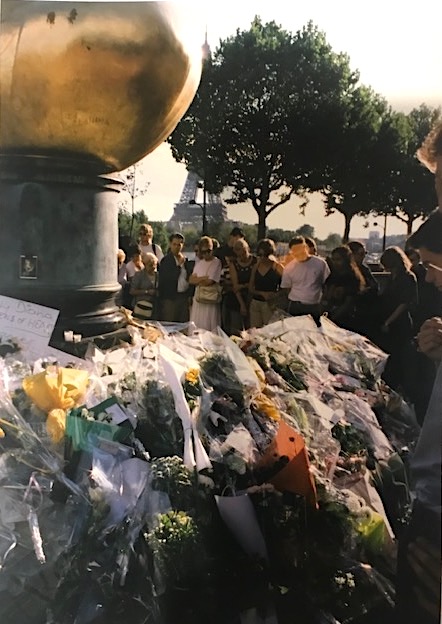
My reaction to the spectacle was a rush of surprise tinged with ambiguous sorrow. Not for a moment had I ever thought about Princess Diana — or any of the Royals — before this chance encounter. I found their soap opera travails — marriages, divorces, deaths, births and betrayals — perversely overplayed and monumentally tedious. (Only the recent season of “The Crown,” featuring a star-crossed Diana, came close to holding my attention to royal hooey, and raptly at that.) Yet I was dimly moved, despite myself.
The Royals live their own fractured fairy tale, without the court jester (or is that Philip?). Drama, oodles of drama. The latest swirls around Prince Harry and Meghan Markle’s self-exile to shiny California and if I cared a whit I’d rewind to juicy bits about Fergie, Philip, Charles, even poor Diana, who was groomed for sainthood by an adoring public.
Why the undying interest in the Royal Family? Who are these people? They’re obscenely rich, for one, leading charmed if crushingly idle lives in monstrous palaces fit for, well, a king. Yet they’re only human, pitifully so. Their crises are legendary, fed to the public in a manner fitting congenital spotlight whores. Their reign serves no discernible purpose, rendering them privileged waxworks, oxidized totems of antiquity that just sort of sit there, performing the robotic “royal wave” to the glazed masses when not shooting skeet.
It’s a twisted phenomenon, the whole royal-watching rigamarole. And it’s hardly trifling. Google “royal watching” and you’ll get some 613,000,000 results. Compare that to a search of “Barack Obama,” who I’d argue is far more interesting and consequential, and you get a paltry 132,000,000 results. Then again, the British monarchy has been around since the 10th century. But still.
The American analogue is JFK and Jackie’s self-styled Camelot, that dreamy, idealized, media-genic Arcadia that spawned a (rather jinxed) political dynasty. Kennedy’s 1,000-day presidency in no way compares to the Royals’ 1,000-year run, at least in duration, but both are subject to fawning scrutiny by lovers and haters alike. The glamor and intrigue, triumphs and tribulations! It’s a tea-time telenovela, with two cubes of schadenfreude.
I guess that’s what gets us: human frailty played out on the public stage. It’s Shakespearean, irresistible, satisfying yet not so much. They’re our heroes and our villains; we spit-shine them with a loogie. Such empty-calorie ogling has been a pop-culture sport through the ages, whispered in gossip, screamed in tabloids. And it doesn’t require a king’s (or princess’) ransom. Talk, after all, is cheap — and royally seductive.
***
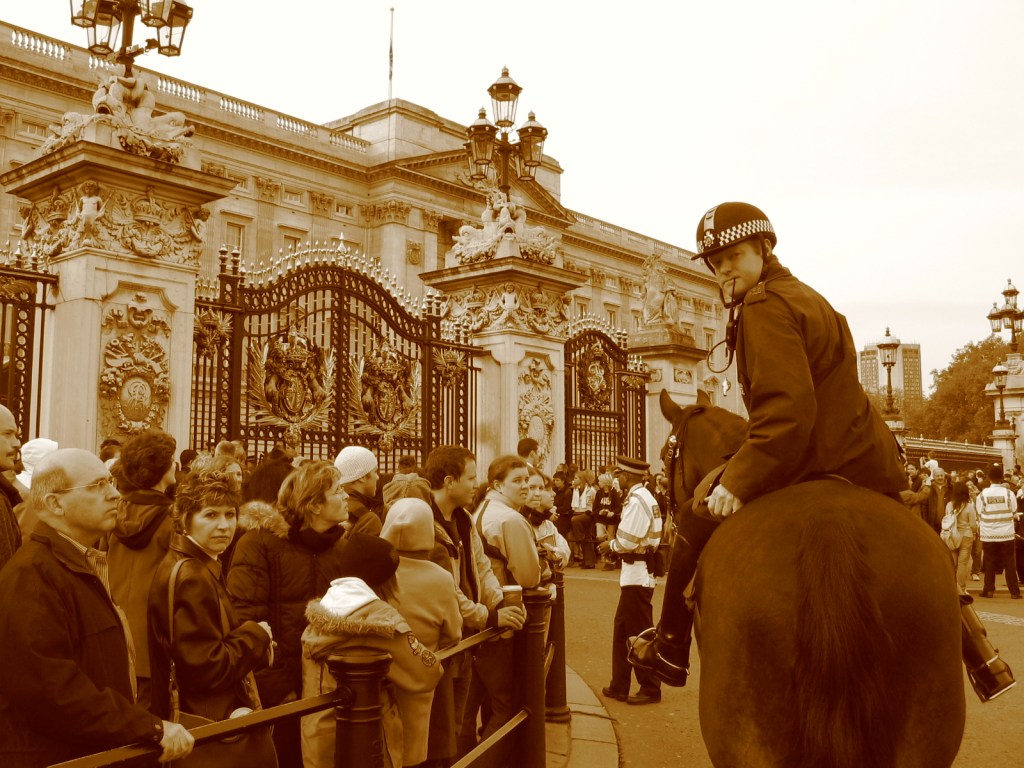
Speaking of stumbling on monarchy malarkey: In 2004 I chanced upon the Changing of the Guard at Buckingham Palace in London, an irony-free shuffle of hollow pomp and frivolous circumstance. Since I just sort of materialized without a plan, I wound up unmoored on the street instead of obediently queued on the sidewalk. As you can see, the glaring horseback bobby was having none of it. Maybe he sensed my royal revulsion.


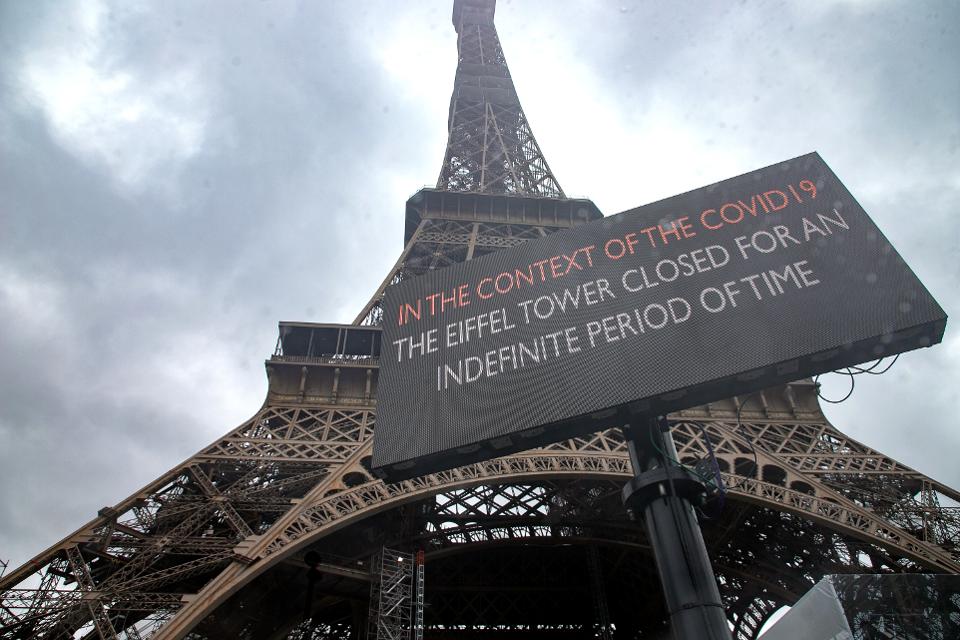 The Paris trip is almost fake, a soft-focus vision, a teasing hallucination. Mostly it’s a marker, something pleasant to look forward to after the pall of the pandemic and the swamp butt of summer. It provides dream fuel and stuff to do, like plan good meals —
 Raymond Chandler’s crackling and complex detective noir “The Big Sleep” scorches with style. The novel, a total delight, introduces private eye Philip Marlowe, literature’s great existential antihero, a shrugging loner with a gun, cigarettes and devastating wit. Chandler crams it with so many ravishing lines, images, similes, he elevates pulp to high literature. Marlowe, all slow-burn aplomb, speaks and thinks like the consummate smart-aleck tough: “I don’t mind if you don’t like my manners,” he grumbles. “They’re pretty bad. I grieve over them during the long winter evenings.”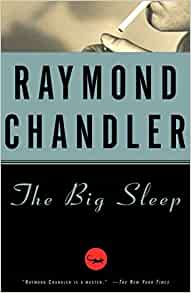


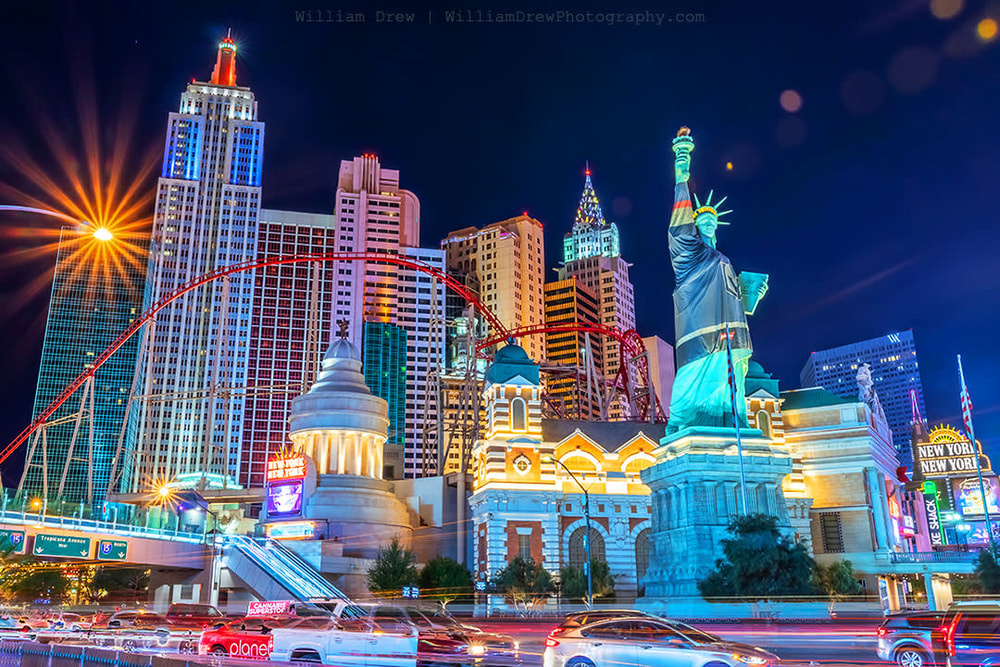
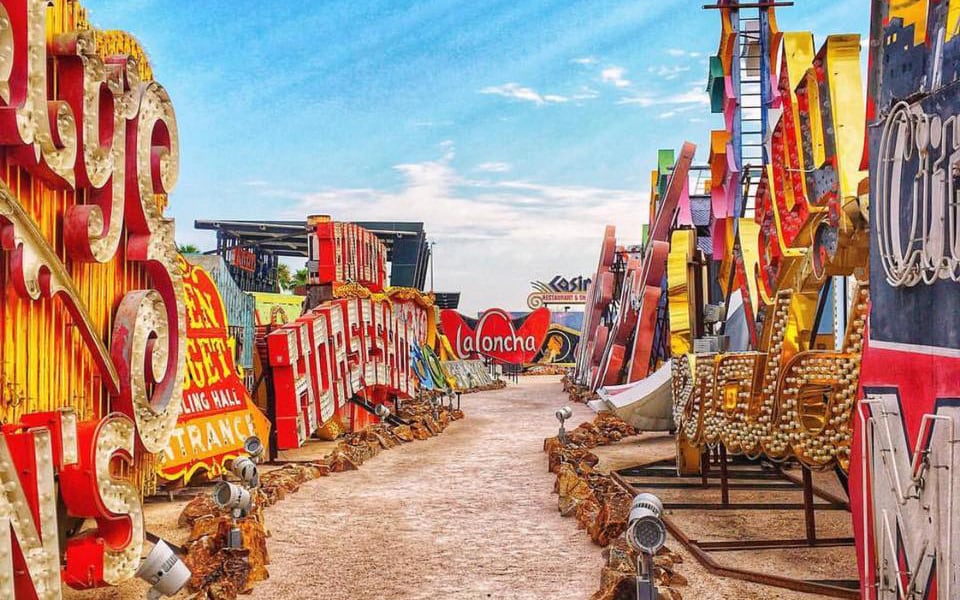

 In 2007 I interviewed actor Paul Rudd at the
  B
B
 Rightful cult classics, “John Wick” and “John Wick: Chapter 2,” starring a lank-haired, bullet-proof Keanu Reeves, are action-flick orgies, chop-socky pistol poetry of a kind unseen since the heyday of John Woo’s


 GNASHING.