
Idea of the week: “Some real talk: most writing isn’t worth consuming.”
This both striking and self-evident statement was plucked from a purposely (and pleasingly) provocative essay titled “The Case Against Reading Everything,” by Jason Guriel at The Walrus. It’s a good line, because it’s irrefutably true, and because it comes from a site called … The Walrus.
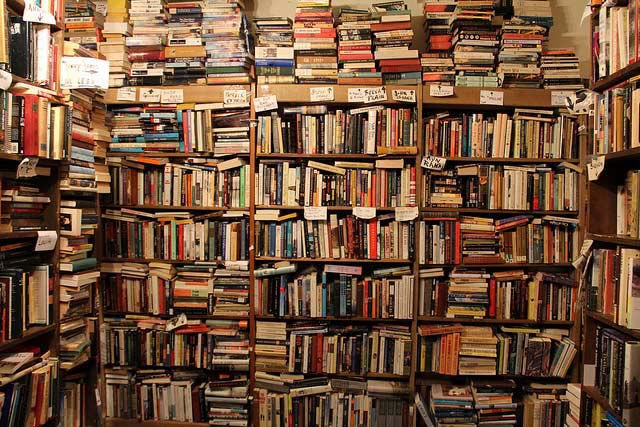
Guriel is impugning the moldy axiom that all honest writers must “read widely” — that is, indiscriminately, catholically, voraciously, hoovering the latest hardbacks, pounding down poetry, gobbling it all, from Bellow and obituaries to Cervantes and cereal boxes. It’s the old “balanced diet” theory. He’s not having it.
Neither am I. It’s an unrealistic ideal, reading it all, though I freely admit to reading obits and cereal boxes. In my twenties, I tried strenuously to read wide and far, from the gilded canon to contemporary classics, and I about hurt myself. The volume of verbiage is simply too monstrous, overwhelming and intimidating. I now embrace my blindspots (“Infinite Jest,” sci-fi, “Ulysses,” anything by J.K. Rowling) and guiltlessly shun writers I don’t feel a quick kinship with.
In college, a tough-minded journalism professor chuckled when I told him about the stacks of books taunting me and my ironclad will to conquer them. “You must be selective,” he said, and I deemed him very wise.
To this day, with impunity, I put down books that don’t regale me 110-percent, even if I’m half-way through them. Long ago, I literally dropped in the garbage John Grisham’s “The Firm” with only 50 pages out of 544 pages left. (A bratty gesture, I know, yet one unencumbered with regrets.)
It’s the quality, the intensity, not the breadth of one’s reading that counts. It’s about focus and concentration — concentrating on the works and writers that nail your sweet spot and eschewing inconsequential distractions. Says Guriel:
“The call to ‘read widely’ is a failure to make judgments. It disperses our attention across an ever-increasing black hole of mostly undeserving books. Whatever else you do, you should not be reading the many, many new releases of middling poetry and fiction that will be vying for your attention over the next year or so out of some obligation to submit your ear to a variety of voices. … Instead, shutter your ear against mediocrity. To fall in love with language, don’t fan out. Fall down a rabbit hole. Cynthia Ozick wanted to be Henry James. Nicholson Baker has a whole book about his obsession with John Updike.”
I’ve fallen down many rabbit holes, becoming a near completist of Philip Roth and, yes, Nicholson Baker. I was religious in my ardor for former San Francisco Chronicle humor columnist Jon Carroll, and marveled at New Yorker film critic Anthony Lane’s linguistic paradiddles (until, that is, he became wearisome, cutesy and gassy, a fallen hero).
Rabbit holes are thrilling. I most recently tumbled into that of L.A.-centric novelist Eve Babitz, snarfing up five of her groovily stylish books in a matter of weeks. I did what Guriel suggests, fell in love with the language, shuttered my ear against mediocrity. It was to me what reading is all about. It was like a spell — a love affair without the doom.
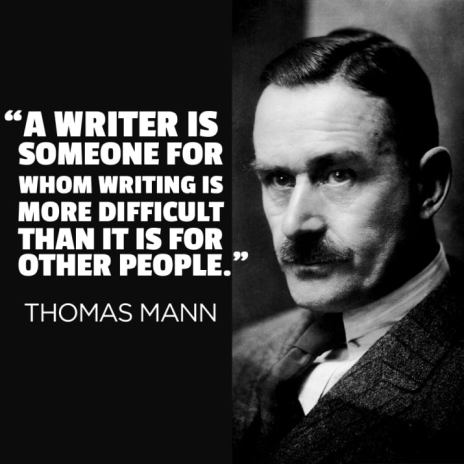
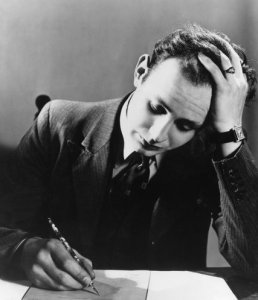 Done correctly, writing is work, grueling toil. It’s fun (when it’s going well), but not that much fun. Still, creating and thinking are so gratifying that it’s worth it. It takes time, hours and hours. Listen to Louis Menand of The New Yorker:
 GNASHING.