Roaming Roma

About that Mexico City trip I’m taking in November, I think I’m getting carried away. I’m there for a week and already I’ve booked four dinners and six tours, and I’m scanning more adventures in the heaving megalopolis, which goes by the sporty acronym CDMX. 

The gargantuan city is so overwhelming, with so much to see and eat, I feel I require more guidance and guardrails than on previous trips. I’m so fretful that I woke at 2 a.m. to make a pair of rarefied restaurant reservations just to make sure I secured them at the exact right time. (Scored!) 

But I’m also a loner, so, when it comes to tours, I really don’t want to get stuck with too many chatty chuckleheads from, say, Melbourne and Milwaukee. I can roll my eyes only so much. Still, I have six tours on my slate, a personal record, which could be a canny or foolhardy proposition. 

That said, I’m probably going to spend the rest of my time strolling the many neighborhoods solo and uncover my own delights. The place is frightfully big, so this expedition will either be sweetly exhilarating or operatically tragic. 

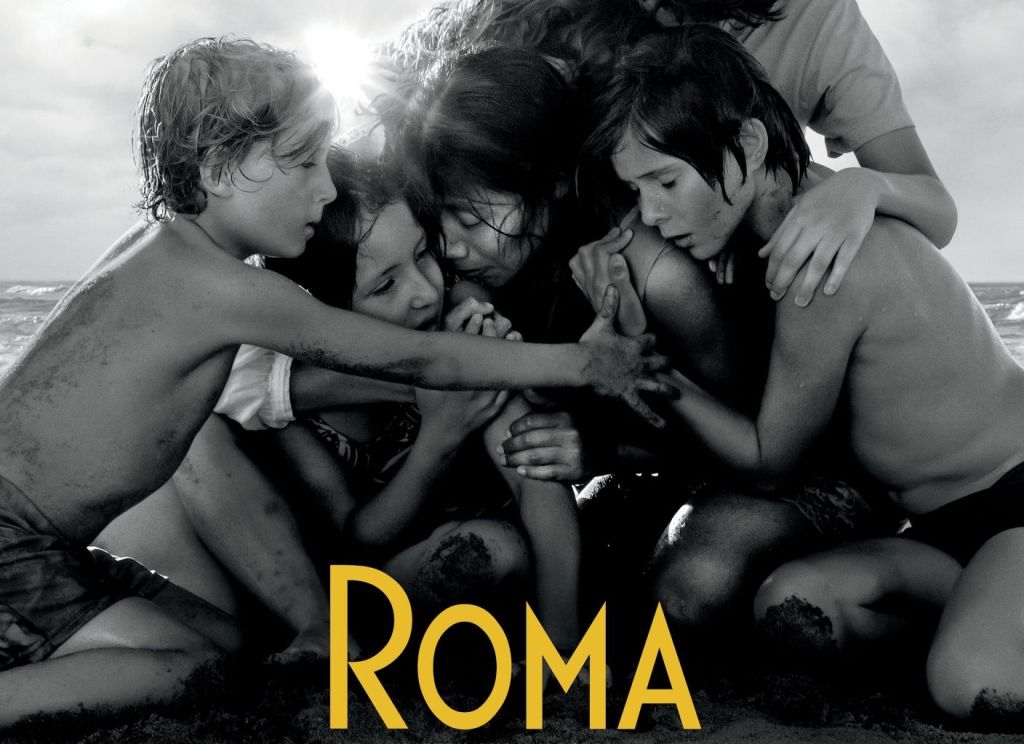
One of the tours I’ve booked is of the vibrant Roma area, billed as a paradise of local markets, parks, trendy restaurants, bars and hipster cafes. If that’s my sort of  thing — and it is, though I do love my grunge — it also evokes writer-director Alfonso Cuarón’s 2018 memory film “Roma,” set in the neighborhood during the much different 1970s, when the socio-political scene was uniquely combustible. (The area, incidentally, is named after Rome, Italy, as a tribute to its wealth and culture.)

The award-dappled movie is a languid stunner, an autobiographical portrait of growing up in Cuarón’s tight upper-middle class family, with special focus on the domestic help, namely Cleo, who, beyond sweeping up dog poop and making beds, takes care of Cuarón and his three gangly siblings.

Deceptively simple, “Roma” — shot in shimmery, Oscar-winning black and white that looks like quicksilver — is family drama at its most heightened and honest. Its verité verve is pure documentary immersion.

From the director of masterworks “Y tu mamá también,” “Gravity” and “Children of Men,” the movie examines with a flea comb the daily dynamics of living and loving together, and all the pain and joy that involves, including fatal frictions between husband and wife. 

And then there’s quiet, big-hearted Cleo, cooking and cleaning and embracing her role as part of the family — and in the process, becoming a sort of angelic savior keeping the clan together. The movie ranks #46 on the New York Times list of best films of the last 25 years.

The tour I booked has a lot to live up to.

(On Netflix.)

Summer playlist

Next to the excellent book about the Beatles I just finished, I’ve been staying intellectually nourished this summer with a spate of lush art, from musical earworm discoveries to great movies revisited. These are some highlights so far:

My brother turned me on to the rambunctious novel “The Death of Bunny Munro, and I don’t know if I should thank him or break his thumbs. Outrageous and splendidly salacious, the book, a dark comic romp, is by Nick Cave, the singer, performer, screenwriter and all-around Renaissance man, who looks like a dapper, raven-haired cadaver with a ghoulish gothic cast. Bunny, the protagonist, has just lost his wife to suicide. He decides to take his 9-year-old son, Bunny Jr., on a rambling, sex-fueled road trip that becomes a pervert’s picaresque filled with carnal catharsis and lessons learned for innocent but brilliant Junior, who appears to be on the spectrum. The novel pops with blazing  prose, twisted laughs and, as one critic put it, “grotesque beauty.” This Bunny goes down the rabbit hole and never comes up for air.

Released in 2007, “There Will Be Blood” retains its status as a cinematic landmark and holds up awesomely years later, getting better on each viewing. The New York Times recently named it the third best movie of the 21st century so far, behind the number two slot, the flatly unworthy “Mulholland Drive.” Paul Thomas Anderson’s strange, majestic saga of greed, faith, misanthropy, violence and of course crude oil is anchored terrifyingly by Daniel-Day Lewis working his acting sorcery for one of the great performances of male tyranny. He’s a monster, and he’s mesmerizing. Johnny Greenwood’s eerie, atonal score is as epic as the gorgeous visuals, and lends the film much of its woozy, unsettling power. There’s so much grandeur going on, you have to ask: How did they do it?

I tend to be way behind on new popular music. (Olivia Rodrigo who?) Mostly I just ignore it, and then it takes years for an ancient song to wind its way to my virgin ears, and then it’s a revelation (and a slight embarrassment). Like, I just discovered the 2018 album by the inimitable Mitski, “Be the Cowboy,” which was slavered over by every critic and named the best record of that year many times over. I’m especially infatuated with two songs, “A Pearl” and “Me and My Husband,” neither of which were the album’s hits or standouts. But they’re little jewels to me, each just over two minutes long. Mitski, a Japanese American with a made-up stage name, plays with piano, synthesizers, horns and her trademark guitar on the album, which has been frequently called genre-defying, but is firmly modern pop, with an outré twist. I won’t get all music critic-y and deconstruct my two favorite songs, saying only that “A Pearl” is dreamlike and yearning and rather heart-tugging, while “Me and My Husband” is funky with perhaps terribly ironic lyrics about a marriage. Or not. 

They are practically begging to die. So it seems amid a coterie of big wave surfers whose only aim in life is to locate the wickedest, most ferocious waves possible, get on their surfboards and hit the water and ride roaring barrels. That’s what ace documentarian Chris Smith captures in his transfixing HBO series “100 Foot Wave,an unlikely plunge into foam and fury and a beautiful human portrait of a tribe of surfers who salivate at the sight of an unforgiving ocean that dares them to take it on. The nominal star is middle-aged master Garrett McNamara, who leads the surfers from massive swells in Portugal — you cannot believe how enormous the waves are — to the far reaches of the Pacific. It’s season three in the series, but start anywhere, because the drama — from gnarly surfing to nasty wipeouts — is everywhere. Watch with a glass of wine. Your adrenaline is going to skyrocket, in the best way.

More marvelous miscellany

1.One of my least favorite things in the world, after e-scooters and ravers, is sweating. Which means I am not a happy fellow. Why? Right. Because I am sweating. And rather a lot, swamp-ass and all. Somehow I thought it’d be a swell idea to take a brisk walk in the 92-degree blech of midsummer. The light sweat I produced outside — a mere film — quickly metastasized into a profuse drenching once inside. Forty minutes later, in powerful AC, it has yet to subside. How bad is it? The dog is licking me avidly, like I’m a giant piece of beef jerky.

2.House of Terror — how kicky is that for the name of a major tourist attraction? It’s real, and it’s not a ride at your local carnival. This daunting museum is in Budapest, where I head this fall, and it isn’t about ghouls and goblins. Or, well, it sort of is. Per its description: “It contains exhibits related to the fascist and communist regimes in 20th-century Hungary and is also a memorial to the victims of these regimes, including those detained, interrogated, tortured or killed in the building.” History writ large. And horrible. I’m so there, with solemn intentions, despite the thrilling name. 

3.Just finished Paul Harding’s newish novel “This Other Eden” on the dazzling strength of his first book, the 2009 Pulitzer Prize-winning “Tinkers,” which is uniquely mesmerizing. “Eden” limns Black American history in its many facets, including, troublingly, eugenics. Harding is an uncompromising stylist, forging gorgeous, gem-cut prose that’s sometimes too infatuated with itself, yet nevertheless tells a fascinating story. Harding writes like few others — Cormac McCarthy and Faulkner come to mind — but he can stumble on his own lush verbiage. He is a flawed master.

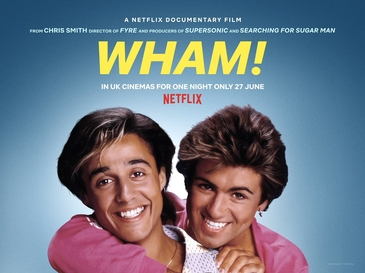
4.The new documentary about massive but short-lived Brit pop duo Wham! — aptly titled “Wham!” — is out on Netflix, and the trailer promises a bubbly, bubblegummy, bing-bang time (“Wake Me Up Before You Go-Go,” anyone?). The movie, a giddy romp directed by crack documentarian Chris Smith, isn’t, alas, as brawny as frontman George Michael’s uncrackable Aqua Net helmet. It’s strictly for googly-eyed fans who can’t be bothered with pop music history, laser-focusing on bandmates’ Michael and Andrew Ridgeley’s frolicsome BFF status and their improbable rise from cheesy teen wannabes to slick arena-fillers. Critically missing in this narrow nostalgia trip is cultural context, as if Wham! exploded in an ‘80s vacuum, with little competition and no help from juggernauts like MTV. And it doesn’t even footnote Michael’s untimely, and seismic, death as a solo artist. Wham! Bam! Thud.  

5. Speaking of the dog (see #1), Cubby was recently shorn like a poor gray sheep, which I documented here. The good news: his hair is growing back in the summer swelter. He no longer resembles a fuzzy Pringles can — he’s not so tubular — and he’s stopped nipping the parts that were so short, pink flesh was exposed. He’s returning to his bushy self, and his attitude is boinging back — a little cocky, vain with a scruffy bedhead sheen, and as fierce around the UPS folk as one can be behind a closed door. His yawps and barks still shatter glassware, but that’s OK. Pretty soon he’s going to look like Slash again and the process will start all over. Our little lamb chop.

6.Then there’s this: I was strolling in the summer heat (see #1 again) and some shitty beat-up compact sedan roared past me, easily doing 50 to 60 in a residential  25 zone. Startled (and pissed), I yelled, “Slow down!” The driver flipped me off and I reflexively returned the gesture. He barreled into oblivion. Then I thought: Smart. That’s a good way to get yourself killed. Jackass might have a gun, might want to turn around and use it. Sweating like a madman, I kept walking, ruffled, looking at the world in a slightly different shade.

50 great films with one-word titles

Sometimes when the days are slow and long and hot, I can just sort of geek-out and ponder random things related to my passions. Welcome to today, in which I spent a preposterous amount of time ticking off some of my favorite films that have one-word titles, from “Casablanca,” to “Goodfellas.”

It was a pointless exercise — massively pointless — but it was fun jogging my memory and eventually putting down a litany of terse titles, which always seem a bit more evocative than longer titles. As a lark, I chose 50 great films almost entirely off the top of my pointy head, and present them here in no order whatsoever. (Now it’s your turn.)

“Nashville” (1975); “Sunrise” (1927); “Amadeus” (1984); “Jaws” (1975); “Casablanca” (1942); “Airplane!” (1980); “Freaks” (1932); “Goodfellas” (1990); “Rebecca” (1940); “Heat” (1995):

“Detour” (1945); “Shrek” (2001); “Rushmore” (1998); “Ran” (1985); “Magnolia” (1999); “Oldboy” (2003); “Gilda” (1946); “Brazil” (1985); “Psycho” (1960); “Frankenstein” (1931):

“Duel” (1971); “Manhattan” (1979); “Eraserhead” (1977); “Se7en” (1995); “Yojimbo” (1961); “Notorious” (1946); “Lincoln” (2012); “Boyhood” (2014); “Chinatown” (1974); “Alien” (1979):

“Deliverance” (1972); “Spellbound” (2002); “Babe” (1995); “Sleeper” (1973); “Scarface” (1932); “Network” (1976); “Memento” (2000); “Hamlet” (1996); “M” (1931); “Breathless” (1960):

“Rashomon” (1950); “Stagecoach” (1939); “Ikiru” (1952); “Zelig” (1983); “Macbeth” (1971); “Klute” (1971); “Joker” (2019); “Cabaret” (1972); “Laura” (1944); “Metropolis” (1927) :

There are many more — “Bullitt,” “Contempt,” “Up,” “Repulsion,” “Gaslight,” “Slacker,” “Clueless,” “Thief,” “Locke” — but I wanted to keep the list at a tidy 50. I’d be here till Labor Day if I rounded up all the great single-title movies. But feel free to share your own.

You’ll notice I’ve made some glaring omissions of highly acclaimed films that simply don’t astonish me, and sometimes even rankle: “Fargo,” “Gladiator,” “Vertigo,” “Unforgiven,” “Zodiac” and “Casino.” Argue with me all you want, please.

Books, bookings, and Bourdain

A few things banging around my head this week …  

David Sedaris has a new book out. Whoop-dee-do.

Expectedly, knee-jerkingly, reviewers have stumbled over themselves to praise the foppish funnyman’s latest collection of personal tales (often tall), diary entries, cultural observations and social sniping. 

Snicker-worthy at his very best, Sedaris, a humor essayist for The New Yorker, has made a cottage industry out of wan, admittedly embellished autobiography, droll stories about his family, his husband and his privileged moves to the French and English countrysides. 

Turning life into literature, he is frank, irreverent, sassy, yet sensitive, as any good writer should be. And he is a good writer, even if his language is baldly prosaic, stylistically flat-footed, determinedly unadorned, dare I say drab. (I said it.)

Overrated, with thousands flocking to theater-sized readings to hear his nasally, high-pitched deadpan — I’ve been there — he’s not exceptionally funny or insightful, though he taps a reservoir of honest empathy. He’s a queer, urban Erma Bombeck, flattering a particular strain of hipster and sophisticate with teeny tee-hees. 

***

I’m pumped about Portugal. Barely back from Paris and already I’m poring over books and sites about Lisbon and Porto, legwork for a weeklong stay in mid-January, when I’ll probably get soaked by merciless rain (while temps hover at a balmy 58 degrees). Paris must feel like a betrayed mistress.

The flight, which cost less than a good winter coat thanks to an airline credit, is booked. Hotels, at seductive off-season prices, are booked. Two walking tours, including a Porto food tour, are booked. 

I got back from Paris exactly one week ago. I am shameless, a monster. 

Unlike Paris, London or Spain, Portugal isn’t front-loaded with blindingly spectacular sights and museums. It instead thrums with an old-world vibe, cobbly neighborhoods spread over San Francisco-y hills, views and plazas and churches and food, including unparalleled bounties from the sea, and of course the people. (My people. As mentioned before, I’m of Portuguese descent, though my ties to the country are tenuous at best. I’m a terrible ambassador.)

It’s a walking world, Portugal. I plan to amble, stomp and stagger through the country’s two biggest cities, with the very occasional — and very cheap — taxi for longer hauls. A picture says so much, and makes the heart do a jig:

Porto

***

Smarter, funnier, better looking and a brilliantly better writer — not mention an infinitely superior cook, natch — Anthony Bourdain and I still had a lot in common. 

We’re both wanderers, seekers, a little profane and rough around the edges, smart-alecks, atheists, ironists and guiltless sensualists. We’re angry, fiery and melancholic. We’re easily bothered and bored, and don’t always know what to do about it, except, in many cases, hit the road.  

And like him, for all my searching, I’m still not sure what I’m looking for. And I’m pretty sure I will never find out. Bourdain, a suicide in 2018, probably never did either.

This hits me watching “Roadrunner: A Film About Anthony Bourdain,” a moving, multilayered documentary about the celebrity chef, author and influential television host by gifted filmmaker Morgan Neville (the Oscar-winning “Twenty Feet from Stardom,” another masterpiece). 

Sure we had things in common, but Bourdain, in his books, shows and this remarkable movie, cuts a troubled figure, the classic brooding, almost romantic enigma who toggles manically between wonder and woe.

With his streamers of verbiage, buoyantly prickly charm, zeppelin-sized attitude (and ego), lanky strut, tats and designer shades, Bourdain was hipster as tour guide, a foodie philosopher, man of the world who was always just a little itchy in the role. He was the reluctant rock star — cynical, self-effacing — who still craved the glory, glamor, privilege and, alas, the drugs, including heroin, that came with it.

At his best Bourdain was an influencer before the term gained the narcissistic kiddie cachet it flaunts today. Before any trip, be it Toronto or Tokyo, I watch a rerun of “No Reservations” or “The Layover” to get a voluptuary’s feel for a city and nail down must-do destinations of plate and place. I’ll be rewatching his “Parts Unknown” episode about the food and culture of Porto soon enough. I trust him to steer me to the coolest and most coveted spots. He hasn’t failed me yet.

The programs, of course, are as much about the man as the places he visits. They’re about getting an earful, and a mouthful, from a dark, dazzling host who found so much joy between grumbles. He made the dangerous seem divine, just how I like it.

***

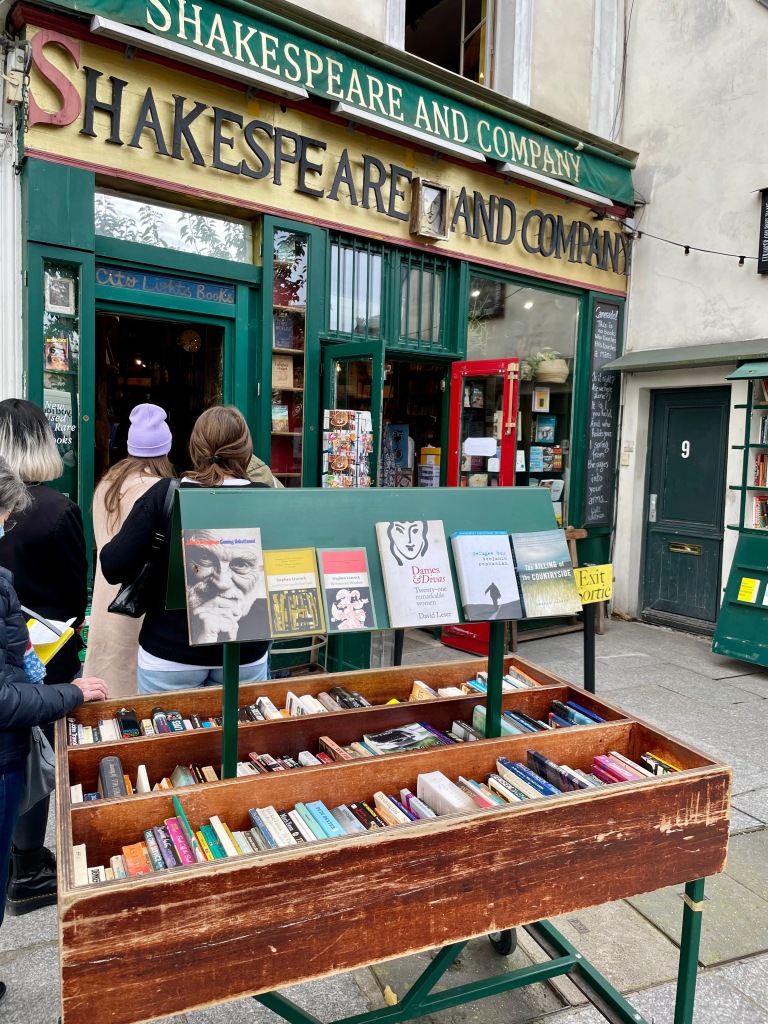
When in Paris, I always duck into the fabled Shakespeare & Company bookstore, smack on the Seine on the historically literary Left Bank, where Joyce, Hemingway, Fitzgerald, Stein and Sartre tippled and typed, spinning the blank page into eternal art. 

Cramped and crowded with tome-seeking tourists, the creaky-floored shop, honeycombed with nooks, alcoves and twisty aisles, specializes in French and English language literature — no junk, just the good stuff. It’s not snobby. It’s just smart. And the English-speaking staff are unfailingly cheerful and helpful, stamping your book with the store’s inky insignia. It’s a pulp paradise, the kind that makes a bibliophile go a little mad with delight and desire.

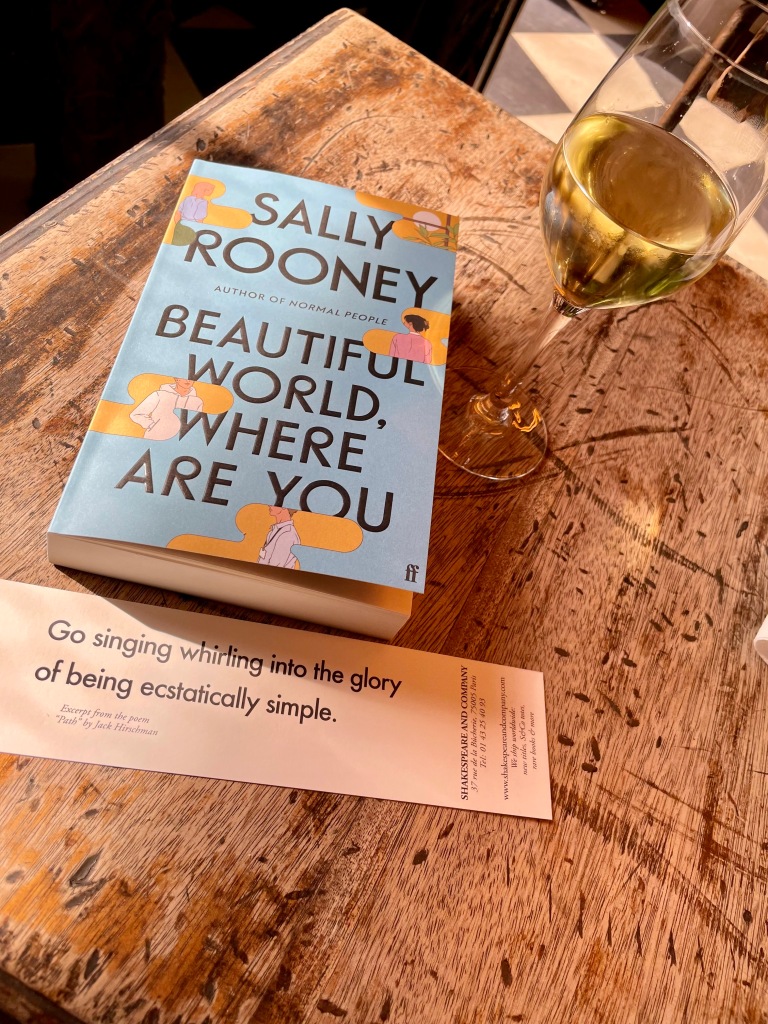
I went firmly middlebrow on my recent pilgrimage, grabbing a paperback (it’s only available in hardback in the States) of Sally Rooney’s new novel, the wincingly titled “Beautiful World, Where Are You.” I cracked it immediately, reading in bars and cafes with a Chardonnay or latte on hand. 

The Irish Rooney (“Normal People”) is a reliably breezy read, plainspoken, occasionally lyrical, but mostly succinct and pinched. Her control is impressive and her sturdy, confident voice makes you want to follow her wherever she’s going, which often includes naked people. 

I just finished the book on my return from Paris and enjoyed it. It covers Rooney’s preferred topics — love, sex and friendship, yearning and ambition among anguished millennials — with detour discussions about Marxism and life’s unfathomable purpose. (Rooney, a wunderkind at 30, is a professed Marxist.) 

Coming from the famous bookshop, it’s not only a winning read, it’s a fitting souvenir from that most bookish of cities.

‘Girls Gone Wild,’ stripped to its essence

Back when I was a roving cultural reporter and movie critic for a Texas newspaper, I was assigned the dubious task of covering the arrival in town of the “Girls Gone Wild” crew at a local dance club. Pointing a throng of cameras at a small stage, the “GGW” crew cajoled local women to partake in a strip contest with cash and travel awards. No matter your morals — it’s complicated — I viewed this as a curious sociological excursion.

This is how the night went down, and how I put it into words …   

Lauren is not getting naked. 

Somehow, the bleached blonde with a toffee tan thinks that a girl can get wild without really getting wild. That in this day and age a girl can attain most righteous wildness by spurning the fundamental step of giving the public a peek. 

What gumdrop world is she living in? 

When the video cameras from “Girls Gone Wild” come to your town — and they came to Austin the other night — there are certain expectations, and every single one of them has to do with bare skin. The “GGW” cameras do odd things to young women. Naughty things. Namely, they inspire women to lift their tops and expose themselves, often while their tongues hang out sloppily. This is called wild. 

Not, says Lauren. 

“I will not be showing (anything). Absolutely not. No way. It’s called ‘Girls Gone Wild,’ not ‘Girls Gone Naked,’ ” says Lauren, who, like many in this story, withheld her last name. The 21-year-old with a leonine mane of yellow hair and jeans low enough to reveal lots of red silk thong works at a bar and is studying to get her real estate certification. 

“I don’t look down on any girls who are wild enough to do that. To each her own,” she says. “But that’s just not my style. You’ve got to leave room for the imagination, you know.” 

Thirty minutes later, Lauren was taking it off. 

There she was, on stage at country-dance warehouse Midnight Rodeo in South Austin, gleefully lifting her Girls Gone Wild mini-tank top for about 700 howling, whooping, screaming, yelling, barking, caterwauling young men, who were apparently seeing their first bare breasts. 

Writhing with professional panache and shooting a carnal glare at the boys, Lauren’s soft-spoken modesty melted, then hardened into Elizabeth Berkley in “Showgirls.” 

Woooo-yeeahh-owww! went the men. 

Ha! went the dozen women on stage. 

The women, ages 18 to 23, were competing in a “Girls Gone Wild” talent contest (is lap dancing a talent?), the winner of which will appear on a “GGW” pay-per-view event. 

The direct-order video company’s Austin stop was part of a 31-city tour that’s brought camera crews to San Diego, Philadelphia, Dallas and Lubbock. First prize this night was $100 cash and an all-expenses paid trip to Panama City, Fla., where the winner will take part in another “GGW” contest. 

It’s a common perception that in party, aka college towns, Mardi Gras has become a kind of open-air flash ’n’ flesh bazaar. Grunting young men proffer tacky plastic beads to greedy women, who gladly, if drunkenly, haul their tops over their chests and under their chins for impromptu peekaboos. The boys go wild. 

Joe Francis, the young multimillionaire who created “Girls Gone Wild,” decided several years ago to bring video cameras to these and similar spring breaky gatherings. Give the girls beads, make them go wild, tape it and sell it. 

“GGW” boasted more than $90 million in direct-response orders last year and the brand has become shorthand for “drunken-girl antics.” “GGW” trades in “normal people” and avoids pros and strippers, Francis says. 

Any young woman will lift her top for the low price of guaranteed male attention, he says. “You’d be surprised, man,” says Francis by phone from his L.A. office. “Every time I go out, I see a girl who I thought would never do it.” 

Joe, meet Lauren. 

“I know, I know,” says Lauren, holding her forehead like a kid who’s been caught breaking a promise. She’s backstage, being escorted by the “GGW” crew to the winner’s circle. Lauren won the contest. 

“It was the heat of the moment,” she explains. 

Sociology of a shirt lift 

“I’m not drunk enough,” says Crystal W., a bespectacled blonde in a white tank top. 

Tonight, she’s leaving the stripping to her peers. “I encourage them. If you have a beautiful body, why can’t you share it with everyone else?” 

Crystal’s friends have been wheedling her to do it all night. “Why do I have to go on stage to do it? I can do it for you myself. I don’t need that extra push. I do it for my friends all the time.” 

Crystal is a good friend. 

On the other side of the rambling, neon-splashed dance hall — where bar servers sling Day-Glo shots in test tubes and a guy named Robert is coaxing his girlfriend Stephanie to get on stage — giggle Amanda Brown and Melissa Dotson, 19-year-old University of Texas students. 

The brunettes are dressed in tight, slight outfits that would pass for loincloths in some cultures. They rushed to Midnight Rodeo when they heard about the event on the radio. 

“We’re lookin’ to be famous,” Melissa says. 

“We get off on it,” Amanda says. 

“We’re not doing it against our will in any way. Not everybody has to like it,” says Melissa. “We’re not porn stars. We’re 19, we’re experimenting, we’re having fun. We’re out there.” 

On stage, Amanda and Melissa gyrate, kiss each other and lift up each other’s shirts. (They eventually take second and third place.) 

The boys hoot with stadium-rock abandon. They slaver and yell obscenities. Their eyes bulge like bloodshot moons. The overall expression on their faces is something like this: !!!!!!!! 

Wes Parnell, a slightly slurring 22-year-old UT student, assumes the role of resident sociologist and human behaviorist. He speaks waveringly, but with confidence. He spies two young women registering for the contest. 

“Oh, they’re going to take it off,” Wes assures us. “They don’t have a choice. When they get up on stage and start drinking alcohol, they start doing things that they don’t know they’re doing. They love it, they absolutely love it. Girls start seeing what the guys think and the guys trick them into doing more.” 

There’s a study of what makes girls go wild waiting to be vetted for psychological illumination. We can listen to Wes, or we can drag in an expert in feminist media studies. 

That would be Mary Kearney, assistant professor of radio-television-film at UT, who explains, “There’s some recognition when you’re a woman in your late teens and early 20s that sexuality is a form of power for you. And for a lot of younger women, it’s the only form of power they have. They are told on a daily basis that their primary goal in life is to get male attention. So if they’re getting it by lifting up their top, so be it.” 

Especially for middle-class white women, Kearney says, “This might be a chance for them to feel sexy in the moment, for girls to be wild. It’s sluttish behavior, and girls might be pushing the boundaries for themselves, to be like, ‘Ooo, I’m wild and crazy!’ Of course, they don’t really understand that it’s a pretty conventional climate for girls and women to be rebellious.” 

We return to the wisdom of Wes. “Girls have such low self-esteem, they need guys to cheer ’em on,” he insists. 

“I don’t have low self-esteem. I just don’t feel like being a slut.” That’s a brunette named Chanbra, who’s been encircled by several boys begging her to join the contest. One of them thrusts a cocktail into her hand. 

“It’s just for fun, just for fun,” says a guy. 

“I know . . .” Chanbra sounds breathless and confused. 

“Just do it. Please,” says another guy. 

“This is the third time I’ve been told to do it, and I’m not doing it. Sorry, y’all,” Chanbra says, and leaves. 

“Well, lost cause.” 

The call of the ‘Wild’ 

A petite young woman named Joanna bolts off the crowded stage mid-show and beats a hasty retreat backstage. She pulls off her cowboy hat and sighs with what sounds like relief. She was fleeing. 

“I couldn’t do that to myself,” Joanna says. “I’m not like that. I think it’s trashy. Looking at the crowd, I decided I’m not putting myself out there as a piece of meat. I’m shaking I’m so nervous.” 

Why was she up there then? 

She was egged on by friends, despite her protests. “I thought it was fun being part of the scene, and then it just got too far.” 

Away from male taunts and chants of “Show your . . .,” Crystal W. looks exhilarated. She wound up on stage flashing the crowd after all.

“I was naked! I don’t know why,” she gasps. “I can’t believe I did that because I come here a lot and I know everyone. Oh, my God.” 

Woodworth was persuaded by her friends, including Kimberly Hyde, who joined her on stage. 

“I’m just crazy like that,” Kimberly says. “It was a blast.”

It’s nothing new for her. She flashes her guy friends upon request. 

“Wanna see?” she asks.

Ten great indies you may have missed

So my movie-watching in this Covid cocoon is drastically spotty — I have yet to see Korean-American family drama “Minari” or Anthony Hopkins as “The Father,” both Oscar winners — and I find myself returning to favorite films, classics new (“John Wick”) and old (“The Thin Man”). 

What’s stuck with me of late is a passel of small newish movies, from “The Rider” to “Eighth Grade,” that could easily be missed by casual viewers, despite the pictures’ celebrated exceptionalism. 

I’ve culled 10 semi-obscure indie pearls from the past several years, 2013 to 2020, a few of which I’ve gushed about before, and many coincidentally released by A24, the hot independent distributor that’s crushing the competition with curatorial savvy. 

I’ve seen the following titles at least twice, except for “Uncut Gems,” whose mad, relentless intensity has, two years later, left me spent. It’s a bruiser. And a winner.

Onward. These are 10 great indie films highly worth your time, in order of release:

  • “Locke” (2013) — A desperate everyman (the brilliantly intense Tom Hardy) is in the driver’s seat, literally, for the movie’s entire 85 minutes. Yes, he’s driving the whole time. The camera never leaves him as he negotiates via smart phone personal tumults on the winding highway of life. It sounds grueling, claustrophobic and static. It’s not. It’s gripping, hypnotic, and exhilarating.
  • “The Witch” (2015) — The smartest, creepiest, most stylish horror picture in years, Robert Eggers’ frightfully immersive period chiller lands us in woodsy 1630 New England, where a family is torn apart by the disappearance of one of its children. Suspicions target eldest daughter Thomasin (wide-eyed Anya Taylor-Joy of “The Queen’s Gambit”), who may have flirted with the dark arts. Then there’s that menacing dancing goat, who’s not quickly shaken. Beware Black Phillip
  • “Tangerine” (2015) — Oh, is she pissed. When transgender hooker Sin Dee hears that her boyfriend and pimp cheated on her while she was in jail, she pops with glorious fury, tracking down him and his new lover and exacting a kind of sassy L.A. revenge that includes an inordinate amount of hair pulling. Move over, she’s stomping the sidewalk in teetering heels, cracking wise and hunting heedlessly. Sean Baker shot this scruffy, no-fi, Day-Glo gem on an iPhone, with stunning results. Raunchy and hilarious, it shimmers like a smoggy SoCal sunset.  
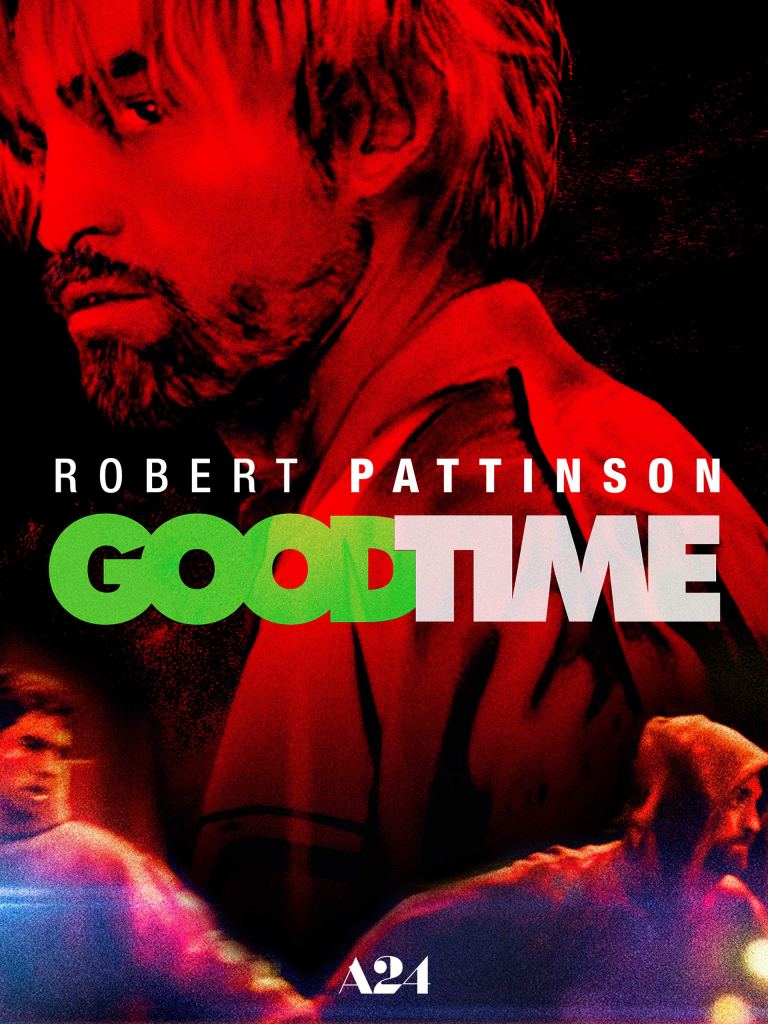
  • “Good Time” (2017) — With flickers of the young Pacino and De Niro, Robert Pattinson is revelatory as a scrappy, dangerous two-bit criminal who’s on the lam after a comically/tragically botched bank robbery. The feisty film, by the gifted Safdie brothers, pulls you on a rousing run-for-your-life tumble through nocturnal Queens that’s at once loose-limbed and sweatily taut. A raw portrait of redemption and ruin, pocked with ground-level authenticity, it thrills as it harrows.
  • “The Rider” (2017) — Chloé Zhao’s understated drama moves at the painstaking clip of everyday life, much like her recent Oscar-winner “Nomadland.” But little is everyday here: Brady (non-actor Brady Jandreau) is a rock star of rodeo bronc riding, until an accident in the ring leaves him slightly brain damaged. He’s forced to give up the only life he knows, outside of breaking colts, which he does with a calm, tough-love Jedi mastery. The film is a fine-grained portrait of the pains of getting back on your feet after life-altering disappointment, about rebuilding your spirit after it’s been body-slammed and shattered. Easily the most moving film of 2017, “The Rider” is pure distilled emotion, beautifully shot on the Dakota prairie.
  • “Eighth Grade” (2018) — Her chin and forehead dappled with islands of acne, 13-year-old Kayla is stuck in the excruciating pangs of adolescent metamorphoses. A smidge pudgy, she is awkwardly pretty, a butterfly half-jammed in her chrysalis, squirming to soar. Her two front teeth, jumbly and bucky, will break your heart. Played by the perfect Elsie Fisher, Kayla is the magnetic lead in Bo Burnham’s indie wonder. She’s an arpeggio of teen neuroses, a raw nerve that keeps getting pinged. It’s about today’s kids, glued to their phones, glazed in technology, and forging one’s individuality amid willful clones who gussy up their insecurities in narcotizing conformity. Kayla, a hero for the times, lives by her words, the dictums she professes on the videos she so bravely records on her phone. It doesn’t always work out, but watch her grow mightier upon each posting.
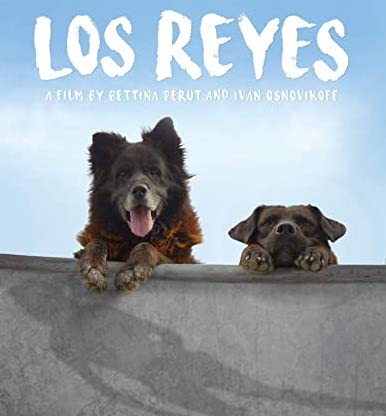
  • “Los Reyes” (2019) — In this inadvertently poetic, profoundly affecting doc from Chile, the camera veers from the skateboarding youth who cruise sinuous bowls to examine the laidback lives of BFFs (best furballs forever): Football, the elder, creaky-jointed cur, and Chola, the frisky female chocolate Lab mix that occasionally tries to hump a large pillow. Dispensing with anthropomorphic cutes, this astonishingly patient film relies on the dogs’ alternately mirthful and mournful antics, quizzical gazes, the way they doze unfazed among the rackety-clackety skaters, or a simple shot of Chola standing statue-still in the rain, getting soaked with the patience of a penitent.
  • “Uncut Gems” (2019) — Adam Sandler is off the hook, and it’s enthralling, like a buzzsaw to the head. In full serio-comic mode — he’s funny and foredoomed — Sandler plays a blingy, dingy New York jeweler who sees dollar signs even when there aren’t any. When he makes a reckless, big bucks bet that could set him up for life, he gets ensnared in a web of business buds, family and foes who all want a piece. Writers-directors the Safdie brothers (of the above “Good Time”) sustain such a frenetic frenzy in this chamber dramedy, you may feel wrecked.  
  • “My Octopus Teacher” (2020) — The octopus cautiously unfurls a tentacle like a flower blooming in a time-lapse photo to the human hand before her. It glances the hand then suddenly sucks it, gently pulling it toward her. The moment carries the pitter-patter of courtship. Could this be love? “That’s when you know there’s full trust,” says the owner of the suction-cupped hand, free diver and filmmaker Craig Foster, in his rare doc. A viral smash, the film won this year’s best documentary Oscar. It’s something else: a simple tale about a grown man befriending a gorgeously slithery cephalopod in the swaying kelp forests of South Africa. Quietly instructive, it goes from lush nature doc to poignant octo-poetry.
  • “Saint Maud” (2020) — Poor innocent Maud. A reclusive nurse seeking Christian devotion after a vague trauma, she becomes the caretaker of an aging dancer dying of cancer. Detecting weakness, and death, Maud (a pretty, pallid Morfydd Clark) kicks into high gear, striving to save her ward’s soul from hellfire with an eerie resolve straddling the sacred and profane. Supernatural phenomena unfurl with a tang of Christian creepiness. Nothing is obvious in Rose Glass’ weird spiritual thriller, especially an amazing climax that will leave you snickering in squirmy, baffled awe.

Hounding the strays of Istanbul

With a camera trained at butthole level, the street dogs of Istanbul bustle across the city, romp in parks, negotiate congested thoroughfares, brawl, chase cats, gambol, loiter and partake in public humping. 

This is a day in the life of the Turkish city’s derelict dogs in the patient, panting documentary “Stray,” released today. The film is a quiet, lolling chronicle of both canine and human behavior — the mutual respect and tolerance is moving — done minus narration. With few dramatic accents, though alive with built-in pathos, “Stray” is almost uninflected — unvarnished life through a studiously objective lens. What is spoken comes from the pups’ playful pantomime.

I’m on good terms with the stray dogs of Istanbul, having befriended, pet and fed several during my four trips to Turkey. The hounds are plentiful in the rolling, seaside city and are protected under a no-kill, no-capture policy. Each dog is registered, one of their ears pierced with an official tag. One of my favorite canine pals wore a red tag on her floppy left ear, leading me, with a poverty of imagination, to call her Red Tag.

They get you like that, these streetwise mongrels. Locals are mostly kind to the wandering, well-behaved dogs, leaving out bones and food and, when annoyed by them, gently shooing them away from storefronts and doorways. It helps if you have a soft spot for animals. My mushy affection led me to feed and pamper the friendly hounds, which I happily photographed. More than just memories, the animals were also sweet, licky mood-enhancers, a pack of therapy pups just for me.

Here’s where to watch “Stray,” and here are some of my street-dog snapshots.

My good pal Red Tag
I fed them cans of tuna.
Red Tag, again

One magnificent mollusk

Coiled near its rocky den, the octopus slowly unfurls a tentacle like a flower blooming in a time-lapse photo to the human hand before her. It glances the hand then suddenly sucks it, gently pulling it toward her. The moment carries the pitter-patter of courtship, of holding hands for the first time. Could this be love?

“That’s when you know there’s full trust,” says the owner of the suction-cupped hand, free diver and filmmaker Craig Foster, in his remarkable documentary “My Octopus Teacher.” A viral smash, the Netflix film has been shortlisted for the best documentary Academy Award. Really, it deserves a special accolade, say, Best Buddy Picture Between Man and Mollusk. The movie is something else: devastating octo-poetry. 

A simple story about a grown man befriending a gorgeously slithery cephalopod in the swaying kelp forests of South Africa, the film depicts the burly, soft-spoken Foster as a dedicated student of the ocean who is truly moved by the relationship he forges over a year with the sea animal that remains unnamed. (I suggest Octavia.)

Part of his lesson is noticing the striking similarities between us and these “alien” creatures, the way connection, interspecies or not, is essential and a well of bracing contentment. “It does give you this strange level of octopus joy,” notes Foster, saying words that have likely never been uttered before.

As a pupil, Foster is a keen observer, learning by watching his silent friend do what she does: hunt, hide, jet, crawl, swim and, sometimes, walk on two legs on the ocean floor. That trippy spectacle, both funny and boggling, is one of many scene-stealers.

She’s a gelatinous chameleon, enacting stunning physical transformations with her bulbous head, serpentine legs and polka-dot suckers to blend seamlessly into the Day-Glo surroundings. Her effortless shape-shifting is part of the movie’s multi-pronged magic.

“My Octopus Teacher” reminds me of many oceany things, like the charmingly odd adopt an octopus campaign at the World Wildlife Fund, where for a $55 donation you get a plush stuffed octopus, a photo, an adoption certificate and other tentacular goodies. It never occurred to me that octopuses were endangered, but WWF says they’re “vulnerable to toxins and pollution,” yet doesn’t that cover just about everything? (Please send me $55. I am endangered. My plush doll is amazing.) 

As much as I love watching the delightful octopus in the movie, I love even more putting octopus in my mouth. Almost unavoidable on midscale restaurant menus — perhaps another reason they’re endangered — grilled octopus is hot stuff, up there with bone marrow and short ribs. Both chewy and silky, the meat has a mild sea-foody flavor complemented by a good fiery sear. Here’s a spectacular piece I scarfed in Barcelona:

I don’t want to eat the movie’s affable octopus. She’s a darling — adorably clever, wily and pretty, much like the picture itself, which is also fairly wrenching (brace for some drama). 

It’s an elemental tale rife with homey pleasures: the hand holding, the snuggling, the mutual respect. The bond is inexplicable but palpable, right there on screen, like when Foster’s new BFF seems to be tailing him through the sea.

“That’s one of the most incredible feelings,” he beams, “to be followed by an octopus.”

It’s fantastic, and it almost breaks your heart.

Turning the page, in literature and life

These days, I seem to only get high on the fumes — the thick, inebriating perfume — of words. I just read a fine passage in my current book and it brushed the orgasmic. To write like that, to make literary music, is the best thing, the very best thing. It matches, maybe surpasses, love.

Too much? Too loopy? Probably. But great art does that — it makes you dizzy. During the pandemic captivity, I’m reading with fiendish greed, in oceanic gulps. I’m buying with crazy zeal. And you probably can’t get that book you want at the library because I already checked it out. Terribly sorry.

More than ever, I grab the written word for solace, inspiration and spiritual nutrition. Yet while I crack mounds of books, I don’t always finish them. I am a notorious book-slammer, shunting aside titles that don’t rivet me by page 50 or so. Mediocrity won’t cut it. I’ve had enough meh, oof and blah. Especially this year.

These are grim days — both of my parents died in the past year; the Covid terror seethes; the Trump shit-show blunders on; some personal turmoil has body-slammed me; pick your catastrophe — and lots of us look to art for escape, empathy and temporary amnesia. 

Art extends beyond the written word, of course, so I’m still listening to music, watching films and TV shows and streaming all manner of streamy abundance. 

Stuff that stands out: the wise, tartly funny Pamela Adlon comedy “Better Things,” in which Adlon plays a frazzled single mother of three offbeat daughters and simply tries to, well, cope; the bizzaro “Pen15,” a cringe comedy starring two 30-something women playing seventh graders with boggling juvenile verisimilitude; and “The Crown,” that tea-time telenovela about British royalty that entrances, despite me caring less about the real Royals than I do about carbuncles.

“Pen15” (yes, these ‘girls’ are really in their thirties)

I always have to nitpick at year’s end, too. Always. If the just-fine though room temperature chess drama “The Queen’s Gambit” missed the sublime, it ably outclassed other hot streamers, like the broad, shrill “Schitt’s Creek” and the animated “BoJack Horseman,” whose mordant mopiness was mistaken for hip profundity. (Speaking of adult animation, does anybody still watch “Archer,” the subversive, devilishly clever cartoon on FX? Join me.)  

Thanks to Covid-contorted release formats, I’m behind on new movies, especially presumptive Oscar contenders. I did try to watch David Fincher’s tediously diffuse “Mank” but couldn’t finish it, and, yes, I can tick-off all of its esoteric Hollywood references. I’m skipping Spike Lee’s Vietnam fantasia “Da 5 Bloods” for two reasons: It doesn’t look very good and Lee’s track record of great films is plain disheartening. (I will also be skipping “Wonder Woman 1984,” grumbled grandpa.)

This is what kind of year it’s been: Mere weeks ago I watched and can recall almost nothing about the admired indie “First Cow” by Kelly Reichardt, one of my favorite minimalist filmmakers, except that some guys make yummy biscuits. I’m renting the scruffy period piece again to see what I’m blanking on.

Movies I’m looking forward to include the adaptation of August Wilson’s “Ma Rainey’s Black Bottom”; Frances McDormand in “Nomadland” (by the director of 2017’s extraordinary “The Rider”); the viral documentary “My Octopus Teacher,” about a grown man befriending a gorgeously slithery mollusk; and Frederick Wiseman’s typically sprawling doc “City Hall.”

“My Octopus Teacher”

And yet for all that — let’s swoop back to the start of this entry — books are my sweet spot right now. In the past few tumultuous months I’ve savored “Those Who Leave and Those Who Stay,” the ravishing third novel in Elena Ferrante’s four-part Neapolitan series; Jess Walter’s jaunty period saga “The Cold Millions”; and “Leave the World Behind,” Rumaan Alam’s quiet thriller about race, class, marriage and other thorny things.

But what’s providing the most satisfying literary kicks are titles from the New York Review Books Classics series, an eclectic spread of fiction and nonfiction from the past, each book a minimally designed paperback that bespeaks worldly elegance. Called “discoveries” by the publisher, the books are “established classics and cult favorites, literature high, low, unsuspected and unheard of.”

I now own 13 terrific novels from the series, with another  — Leonard Gardner’s gritty boxing drama “Fat City” — on the way. Today I’m reading the noirish “Nightmare Alley” by William Lindsay Gresham (midgets, mediums, mendacity). Before that was the twisty, eerily timely crime thriller “The Expendable Man” by Dorothy B. Hughes, who wrote cult classic “In a Lonely Place,” part of the series I also devoured. 

My NYRB Classics collection

What’s getting me is the power of words, the emotional and psychic heft, the sheer salve of art, and the attendant awe. I’ve always loved books and any words on paper (and screen), but I seem to love them more in the rotten times, a stretch so shitty, I haven’t touched this blog in over three months. I hadn’t the urge nor the heart. Fall, my favorite season, gone wasted. 

Maybe I’m uncoiling from a prolonged flinch. I don’t know. But this, now, during some of the very bleakest days, is where I’m at. Turning the page in another chapter.