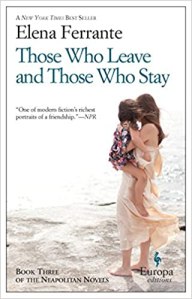
A Big New Book is being released tomorrow: Elena Ferrante’s “The Lying Life of Adults,” the follow-up to her celebrated four-book Neapolitan Novels (“My Brilliant Friend,” etc.) that’s been awaited with clammy palms and mild hyperventilation around the world. They call it Ferrante Fever, the passion with which readers embrace her Naples-set, fiercely feminist fiction. In fact, so beloved and famous are her novels, of which I’ve only read two (heresy!), I will go into no more detail about their glittering renown.
As reclusive and elusive as Sasquatch, Ferrante writes under a pseudonym and an impenetrable cloud of anonymity, so thick even her tireless English translator has never met her (him? they?) in person. The tenacity with which she preserves a faceless non-identity, shrouded in maddening mystery, makes Ferrante a sort of Banksy of literature. She’s been touted for the Nobel Prize, and we wonder how that would work — a fashionable no-show à la Bob Dylan? Does it matter?

The publication of “The Lying Life of Adults” (which charts the thorny coming of age of a teenage girl) has been called the “literary event of the year” by those New York magazine types, and lots of slobber has soaked its impending release.
I haven’t read the novel yet — I have a copy on hold, he panted — so I can’t say much more about it without paraphrasing the publicity notes and that will put all of us to sleep. When I finally crack it, I’ll share.
Meanwhile, about the excellent book I just finished today …
I have great faith in the tastes of London-based blogger Jessica, a native Ohioan who writes the funny and fascinating — and on the rare, lucky occasion, riotously scatological — Diverting Journeys. So when she recently reviewed the freak show history “The Wonders: The Extraordinary Performers Who Transformed the Victorian Age,” I promptly grabbed a copy. A fellow enthusiast of the creepy and freaky — from baroque cemeteries to carnival sideshows and babies-in-jars museums — Jessica writes, “I genuinely loved this book. It was so fun to read, and was the perfect combination of cultural and medical history.”
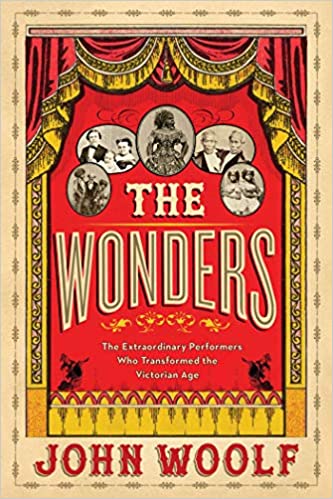 Agreed. Author John Woolf weds sharp scholarship and anecdotal color about some of the most popular human oddities of the 17th to 20th centuries with accessible and mesmerizing verve. Some of the abnormalities are digestible — dude, you’re like the size of a Cabbage Patch Kid! — while others rattle: the rampant racial exploitation marring the sideshow circuit truly sickens.
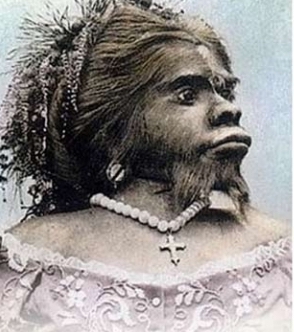
A “Wonders” sampling: the woman with a blimp-sized derriere and an XL labia; the original Siamese Twins (slaveholders, they), who both married and had like fifty children; an array of dwarfs who thrived as playthings in Europe’s royal courts; and two of my all-time favorites, Julia Pastrana, billed as the Ugliest Woman in the World, and Joseph Merrick, the eternally doomed Elephant Man. (Actually, Pastrana was also doomed. You cannot believe how she winds up.)
These are stories of amazement — you keep wondering how? and why? — and, too often, searing heartbreak. This book somehow manages not to shatter you, not by shirking facts, but by maintaining a tempered, dignified humanity that cleaves to historical reality. Shudder if you must.
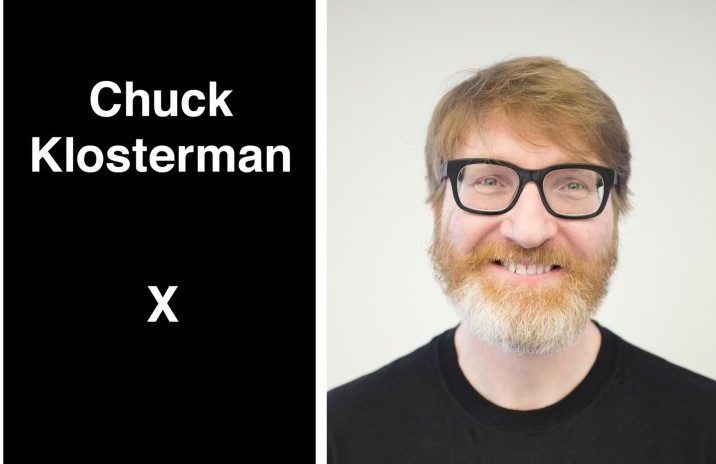
 There’s a handful of hip, youngish, mostly male writers I avoid because of both their grating public images and callow, look-at-me writing (see ya, Dave Eggers). Journalist Chuck Klosterman, who specializes in rock and pop culture at large, has always made my belly twist at the teensy bit of his I’ve read in the likes of Spin magazine. He’s published loads of essay collections, like “Sex, Drugs, and Cocoa Puffs” and
  Also a delight are the words of the late David Carr, the New York Times media columnist who in 2015 dropped dead in the Times newsroom, a fact that might have tickled the celebrated super-journalist.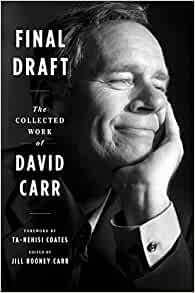
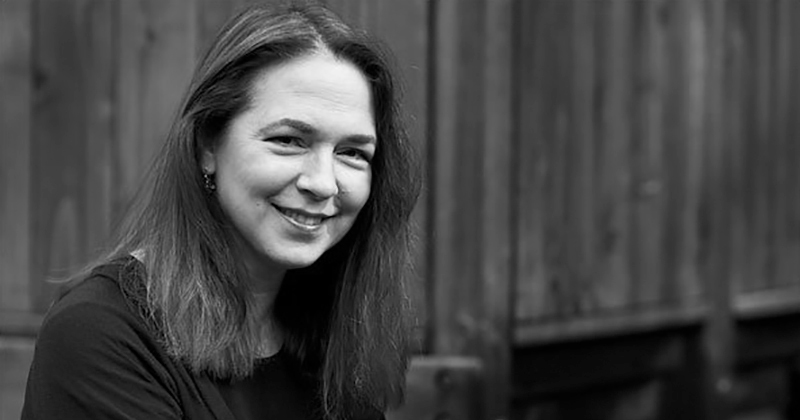 She is particularly good at the jolt-laugh of the unexpected:
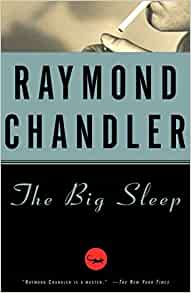
 Raymond Chandler’s crackling and complex detective noir “The Big Sleep” scorches with style. The novel, a total delight, introduces private eye Philip Marlowe, literature’s great existential antihero, a shrugging loner with a gun, cigarettes and devastating wit. Chandler crams it with so many ravishing lines, images, similes, he elevates pulp to high literature. Marlowe, all slow-burn aplomb, speaks and thinks like the consummate smart-aleck tough: “I don’t mind if you don’t like my manners,” he grumbles. “They’re pretty bad. I grieve over them during the long winter evenings.”