Getting stuffed on the bounty of Mexico City

Twenty-two tacos. That’s all I could devour over seven days in Mexico City before I hit taco fatigue, a malady that beats Montezuma’s revenge by a long shot. (I was gratefully spared that gastrointestinal massacre.) Too many tacos — poor me. But it happened: I burned out on the tortilla-wrapped meats and spices, even though they were otherworldly delicious. Al pastor remains a gastronomic god.

I knew I peaked during an exhaustive nighttime taco tour, which included a pitstop for a heady mezcal tasting. I could only devour seven of the tacos served — including a rather average one at the only taco stand in the world to earn a coveted Michelin star — and had to pass, bloatedly, on the final two. (That would have been nine tacos in three hours, if you’re counting.) I simply couldn’t finish, unless my tour mates wanted to see the feeble American provide a gut splash on the sidewalk. 

During my week in Mexico City, I wasn’t on a journey to eat as many tacos as possible. There was no quota. From the start, I wanted to leave room for an array of local delicacies, street food to fine dining, enchiladas to empanadas. Mission accomplished. Pizza even slipped into the plan. Thanks to its strong European tang, the city is famed for its prodigious pies. It was amazing.

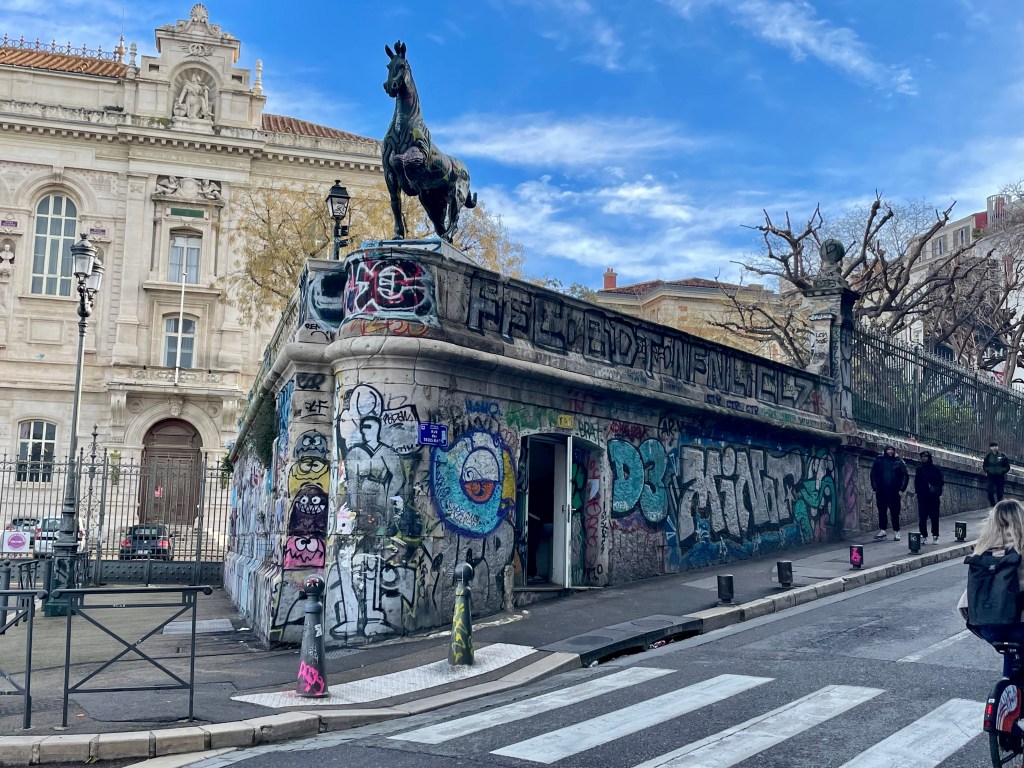
The city surprises like that. CDMX, as they call it, is a sizzling melange of cultural influences, a vibrant swirl of art, cuisine, architecture (note the heavy Euro inspiration), lovely people, dogs, parks, museums (only second in the world for the sheer number of them, after London), sports, and, crap, a serious and grueling traffic problem. Don’t get me started. No, do. Some Uber rides took an hour, stop-starting, for just a few miles. The Ubers were nearly all dusty, dented beaters, but they muscled through and delivered. The streets — as clean as Tokyo. And there are no public trash cans. Pride reigns.

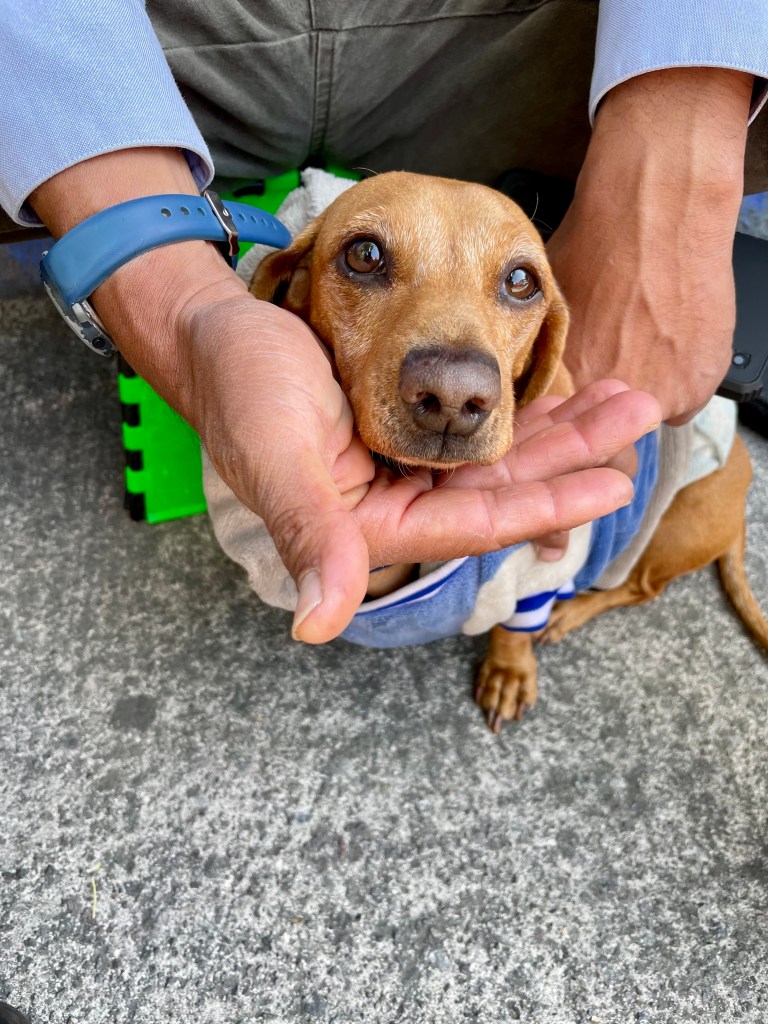
Located in the center of Mexico, the megalopolis sits 7,350 feet above sea level, which makes it higher than Denver, with thin air and temperate climes. It teems with life — 22 million people live there. That’s a lot of humanity, not to mention the multitude of pleased and pampered pups I saw all over the city.

I usually take wads of pictures of camera-happy hounds on my travels, but I only snapped a few this time. Here’s one, among a smattering of shots, a taco-y taste of CDMX. 

In line at the Frida Kahlo Museum. I forgot her name.
Frida Kahlo looking pensive, near the museum. The city bursts with street art.

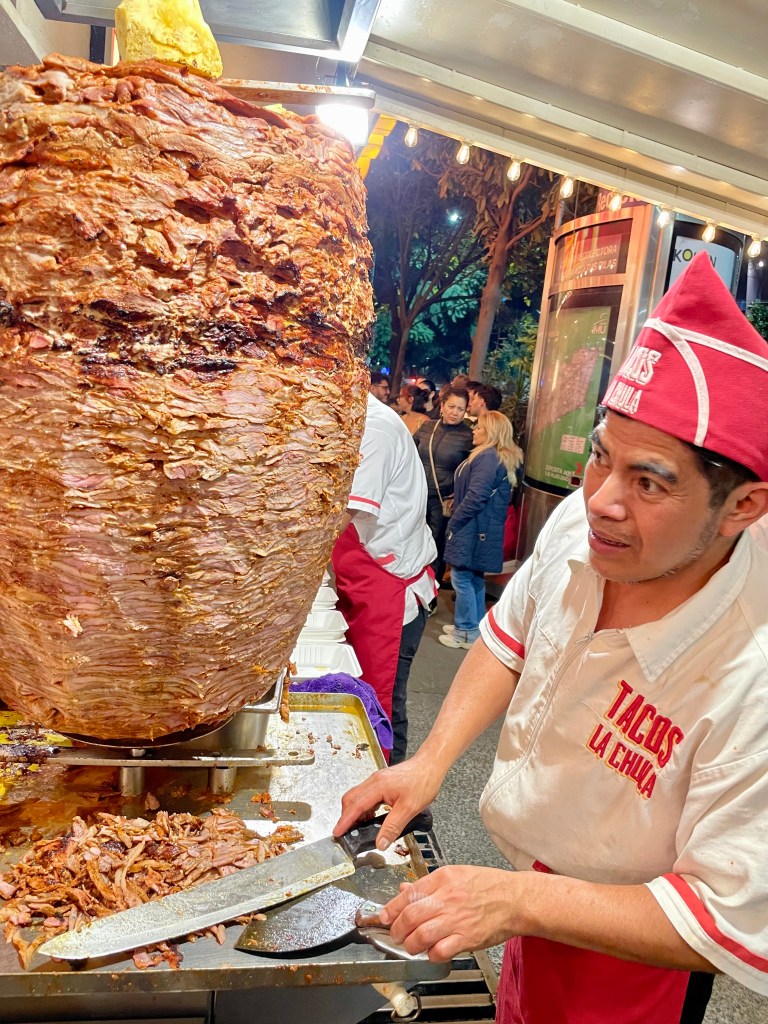
Cooking up one of my favorites, pork tacos al pastor.

Al pastor up close. That’s marinade, not blood.

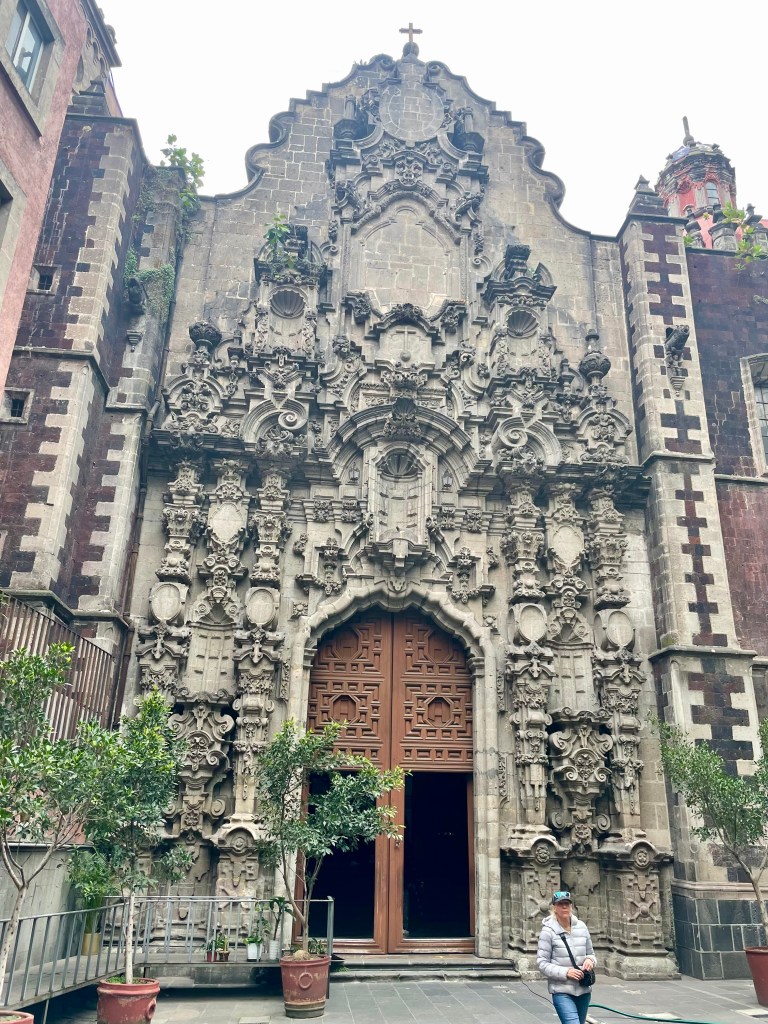
A cathedral in the City Centro.

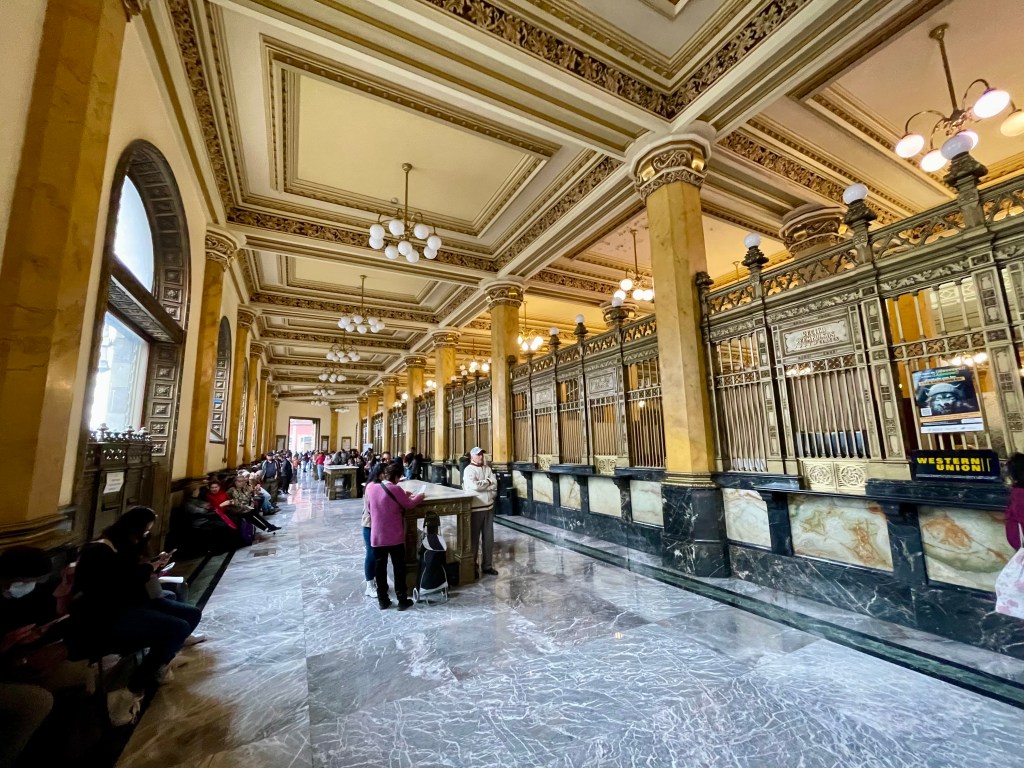
The famous interior decor of the main post office.

The ludicrous circus-like spectacle of lucha libre: wrestling theater. The crowd of 7,000 goes wild at the backflipping, body-stomping, mask-wearing rivalries. It kind of gave me a headache, in a good way.

One of the better pizzas I’ve ever had, even in Italy. Perfection.

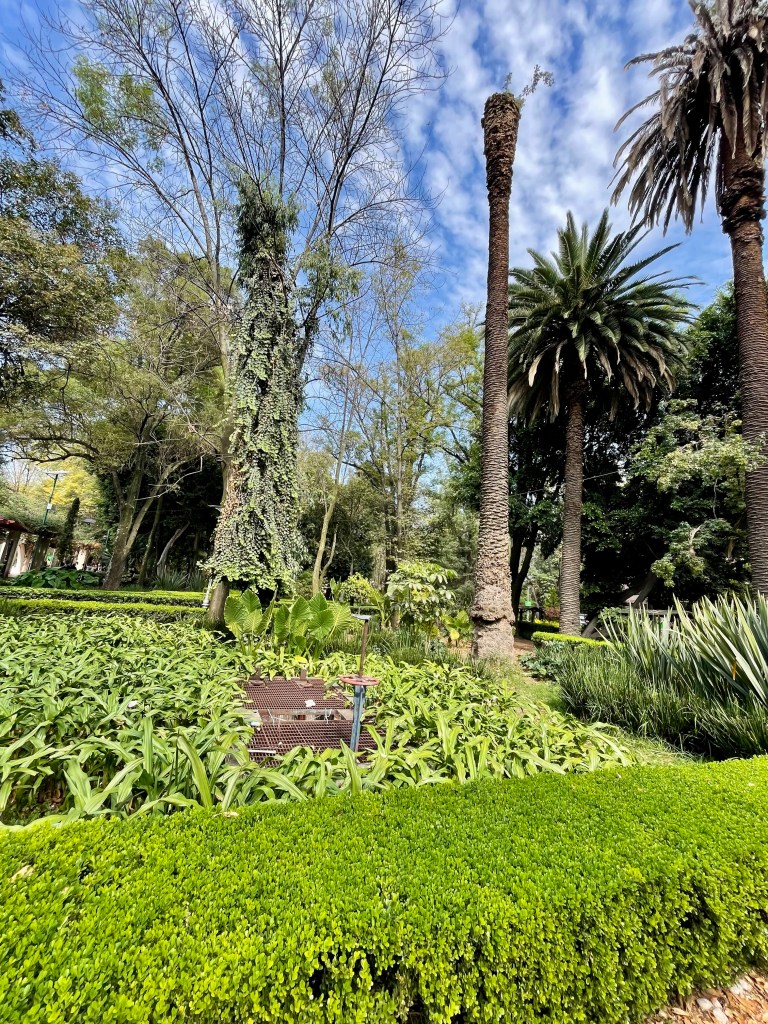
A typical park smack in the city. Joggers, yoga, musicians, dogs, salsa dancers.

Palace of Fine Arts (Palacio de Bellas Artes)

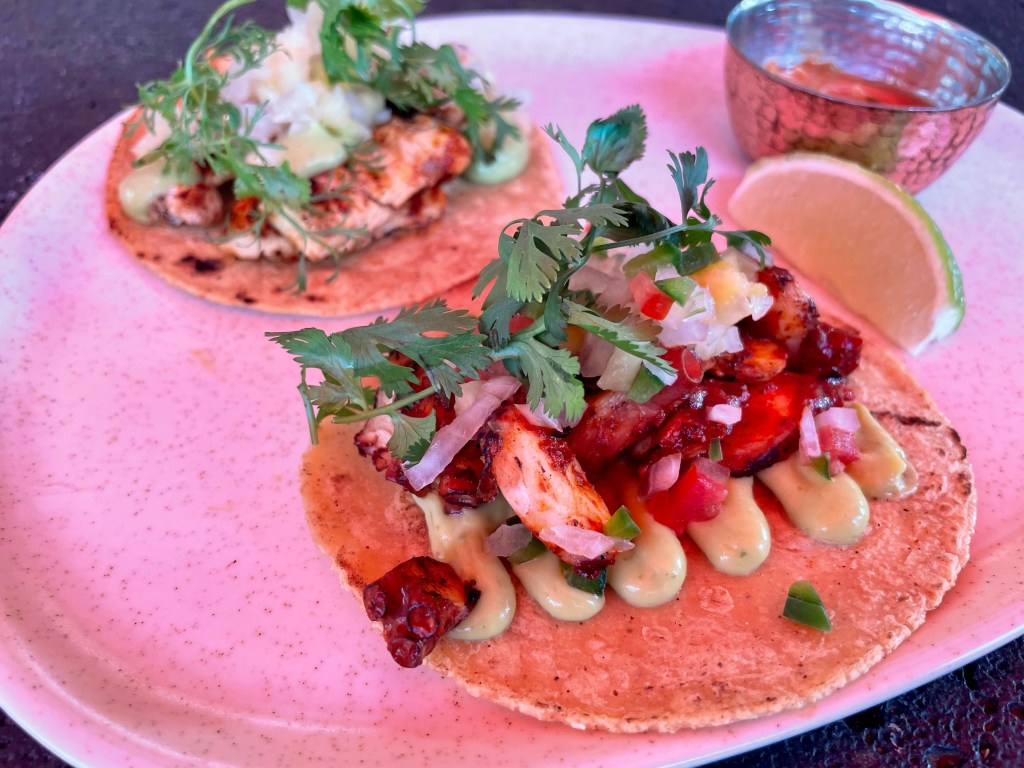
Rear is chicken taco al pastor. Front is octopus al pastor. Awesome.

Breakfast before a three-hour tour of the astounding Museum of Anthropology.

A random facade in City Centro.

Large tortilla chip with guacamole. On top: grasshoppers. Yes, delicious.

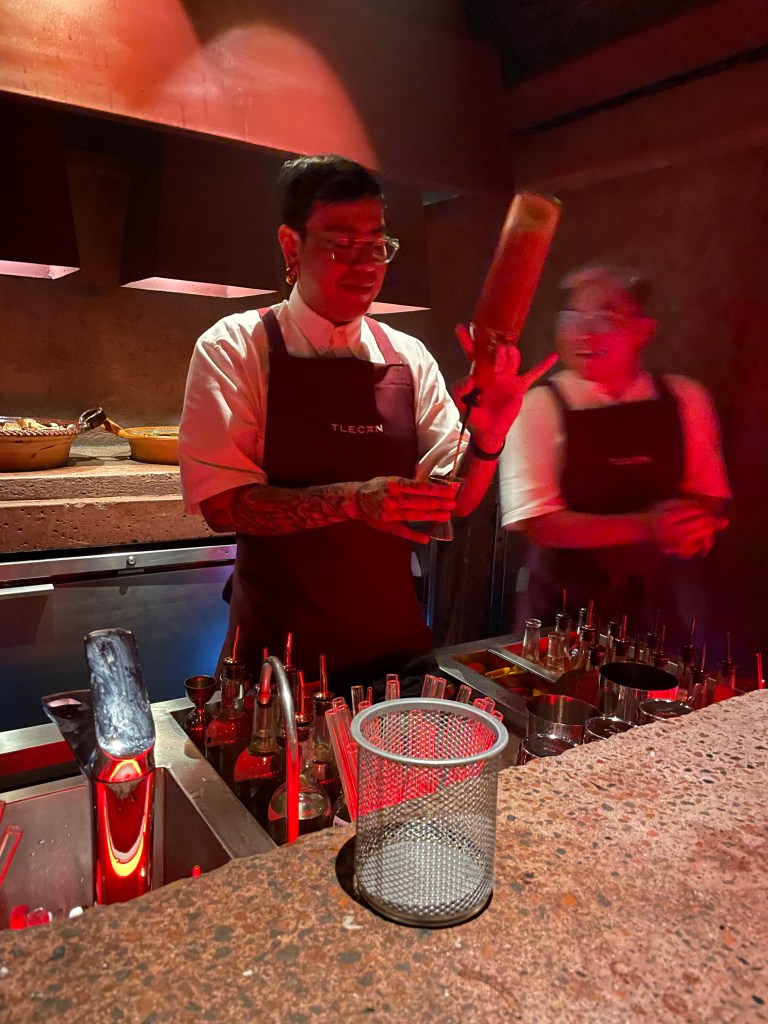
Making me a killer cocktail at Tlecān mezcal bar. It’s ranked #23 in the World’s 50 Best Bars 2025 and #3 in North America’s 50 Best Bars 2025. It, like Mexico City, lives up to the hype. Ultra-modern with a hearty, heartfelt nod to history.

Newsflashes

Keeping it light, some recent news plucked from the headlines …

RIP Ozzy Osbourne, madman and mensch, who amazingly didn’t die of rabies. He was the gentle, doddering Prince of Darkness, whose live shows brought out the crowd-pleasing celebrant, all cackles and hand claps. He would hop like a pogo stick. I saw him in concert when I was 13, my first metal show. I can’t shake it decades later. Satan is smiling. 

Trump can’t elude the loaded Epstein case, and he’s shaking in his loafers and pissing his pants as he tries to deflect the pressure. Wipe your brow, sir; the flop sweat is showing. And on a scathing “South Park,” so is your talking micro-penis.

The New York Times posted its 100 best films of the past 25 years just to tick me off. While I agree with the bulk of the choices, if in different order, some make me want to throttle the voters. For starters, “Parasite” (#1 ?!), “Mulholland Drive” (#2 ?!), “Inglourious Basterds,” “Hereditary,” “The Master,” “Amélie,” and I’m just getting going. But bless them for including “Melancholia,” “The New World,” “Grizzly Man,” “School of Rock,” and so many other gems. Still, I don’t know why I read such lists. I don’t need the aggravation.
She perched gracefully atop sign posts, fences, rocks and cars, like a canine ballerina, poised and pliant. Maddie the spotted coonhound was the subject of her owner’s lustrous photography, clearly in the spirit of William Wegman’s whimsical photos of his preternaturally patient Weimaraners. Maddie’s charming pictures boast 1.2 million Instagram followers and comprise two books. But there will be no new pup pics, as Maddie died this week at age 14. I just got acquainted with her visual poetry, and still I’m crestfallen. Her loving obit.
Chuck E. Cheese got mouse-trapped. “Come with me, Chuck E.,” said the policeman who arrested the human-sized mouse — er, a human in a mouse costume — at the children’s pizza chain in Tallahassee, Fla., this week. The un-mousey behavior? Credit card fraud. Somewhere Mickey Mouse is blushing. “Astonished children wondered why the restaurant’s mascot was seemingly done for the day even as they continued to eat pizza and play arcade games,” said one report. “How do you explain this to a 4 and a 6 year old?” asked a witness. A youngster wanted a photo with the mighty mouse, but “a cop out of nowhere grabs his arm and says: ‘Chuck E.’s busy right now.’” Dying to know how his fellow inmates take to his gaudy outfit, big plastic head and all.

Hulk Hogan, a hideous human being, did the world a favor — he died. 

No baloney about Bologna

Strolling and gawking among the glass-encased medical curiosities, from a face smothered in smallpox pustules to deformed conjoined twins, I was thinking of tortellini. Specifically, tortellini in brodo, stuffed pasta curls boiled and served in a zesty meat broth. Dinner. Yes. That’s what I was thinking.

I was at the Museo delle Cere Anatomiche — the anatomical museum — in Bologna, Italy, last week, and not even the bulging tumors and gleeful spreads of glistening guts could suppress my appetite for the city’s star cuisine. 

Tortellini in all its shapes and sizes, broths and sauces, is but one of the celebrated dishes in Bologna, which is renowned as Italy’s rightful food capital, or “La Grassa,” the well-fed or, more directly, the tubby. It’s one of the reasons I chose to go there. That and twisted, amputated limbs.

And, well, pasta bolognese. And Parmesan. And the world’s finest balsamic vinegar. And, naturally, Mortadella, which would almost pass as American baloney (Bologna, baloney — you see?) if it weren’t for the spots of white fat that marbles the Italian variety, as well as the way it’s sliced, paper-thin, like prosciutto. Oscar Mayer can only weep in shame.

Tortellini in brodo. Pasta ‘bellybuttons’ swimming in hearty meat broth.

It was a foodie trip, based in the region of Emilia-Romagna in northern Italy. The area’s medieval capital of Bologna is the seventh most populous city in Italy, and a mere thirty-minute train from Florence. The region boasts the city of Parma, known for Parmesan cheese and Parma ham, as well as the headquarters for such auto royalty as Ferrari and Lamborghini.

But sports cars don’t impress me — they’re like appliances, refrigerators or blenders, no matter if they’re painted a neon-pee yellow and can go 200 mph. So I skipped them for Modena, a small city (that has a Ferrari museum) best known for opera and balsamic vinegar (and, OK, Ferrari). 

The ancient, rustic region is where I booked a long lunch and balsamic “experience” that happened to take place deep in the wintry countryside on a sprawling family estate where mom, dad, son, daughter and cousin each produce their own balsamic vinegars, totally artisanal, completely blue ribbon. To reach the marketplace, a balsamic must be officially approved in strict quality control tastings by experts. These folks pass with a neat, and humble, familial pride. 

I was with a genial group of about ten fellow travelers. We feasted. Salumi (a spread of Italian deli meats), Parmesan of various ages, ricotta, risotto, quiche and more. We drizzled homemade, world-class balsamic on all of it. There was wine, too. Stuffed, we easily got our money’s worth (about $90). A long, edifying tour of the balsamic-making process — like wine, it’s made of grapes — preceded the pig-out. Ask me about the thick, tangy, reddish-brown liquid and I could likely answer with cocky erudition. 

Back to the university town of Bologna — it was more than I expected. My hotel was a twenty-second lope to the main city square, the yawning Piazza Maggiore, the kind of history-encrusted space that has you marveling as you sip a beer at a sidewalk cafe. 

The centerpiece is the Basilica of San Petronio, a stunning slab of Italian Gothic whose construction began in 1390 (the facade remains unfinished, the slackers). I can do a full-blown travelogue here, but we know how that goes — like listening to someone carry on about their “crazy” dream last night. Really, it was mostly about the food, and a breathtaking cocktail bar, Le Stanze Càfe, designed with real ancient frescoes, where I had lovely libations as I drank in the dazzling decor. 

I will say the anatomical museum, filled with miserable disease and morbid delights, created specifically for university medical students (yet it’s free for anyone), was a highlight of my stay. Human anomalies, freak shows, mystifying medical malformations, the two-headed, the three-legged, the Elephant Man fascinate me. It’s not amusing; generally it’s appalling. But curiosity is piqued, wonder is conjured, pathos pours forth. I kind of love it.

Thing is, I might love tortellini more.

Meat and cheese plate during a food tour in Bologna. That’s Mortadella on the left.

Pasta bolognese, a signature dish in Bologna. Noodles topped with beef, pork, wine, carrots, etc. Dynamite.

At the anatomical museum. Don’t worry. They’re made of wax.

Guzzling round the globe

“Drink well and travel often.” — Anonymous 

Read, write, gab and guzzle — those are my priorities when I hit the bar scene on my world travels. I do this often, with gusto and curiosity and, of course, thirst. 

Bars, lounges, pubs, with their discrete quirks and personalities, present windows into a country, its culture and people. Dim and cozy, they are places in which to unwind after long days of investigation and staggering amounts of relentless walking. Drop on a stool, plop into a banquette, the body at rest. Let the slurping begin.  

In my travels I become quite the barfly — using the excuse, Hey, I’m on vacation! — bopping between the dive and the divine, the joint with the jukebox, brews and “Pulp Fiction” posters and the immaculate, high-design haven where cocktails shimmer in candlelight. I won’t deny a fine old-fashioned pub. There, Guinness is god, soccer roars on a Times Square of screens and that aroma is deep-fried you name it. I smell nirvana.

Teetotaler or tippler? Dry January — keep it. This is drenched January, considering how my brother and I behaved on our recent jaunt to Hong Kong. We drank not to excess, but often, be it at a bar, a restaurant, a hole in the wall, like the Japanese-themed joint with 10 seats next to our hotel. (We adamantly don’t do clubs. We’re not teenagers.)

Drinking is a spiritual event — spirits abound. Getting wasted is far from the point and is the poor man’s demolition of brain cells and his dignity, not to mention his liver. (“The liver is evil, it must be punished.” — Anonymous) Drunk? No, just buzz me in.

I like bars that allow dogs. They’re good company and rarely slur their words. 

Soccer may flicker on screens in some bars, but people-watching is my spectator sport. If luck abides, it can lead to meeting locals and fellow travelers, which I’ve done countless times. Some of my acquaintances remain email pen pals years on. They hail from Turkey, Vietnam, France, Japan, Lebanon, India and Spain. 

I’m not the most people-ly person, but these contacts are nourishing, even edifying. There was, for instance, lovely Lina in Beirut, a non-drinker who wound up driving me up the coast of Lebanon for a full-day tour that I never would have managed on my own. No strings attached.

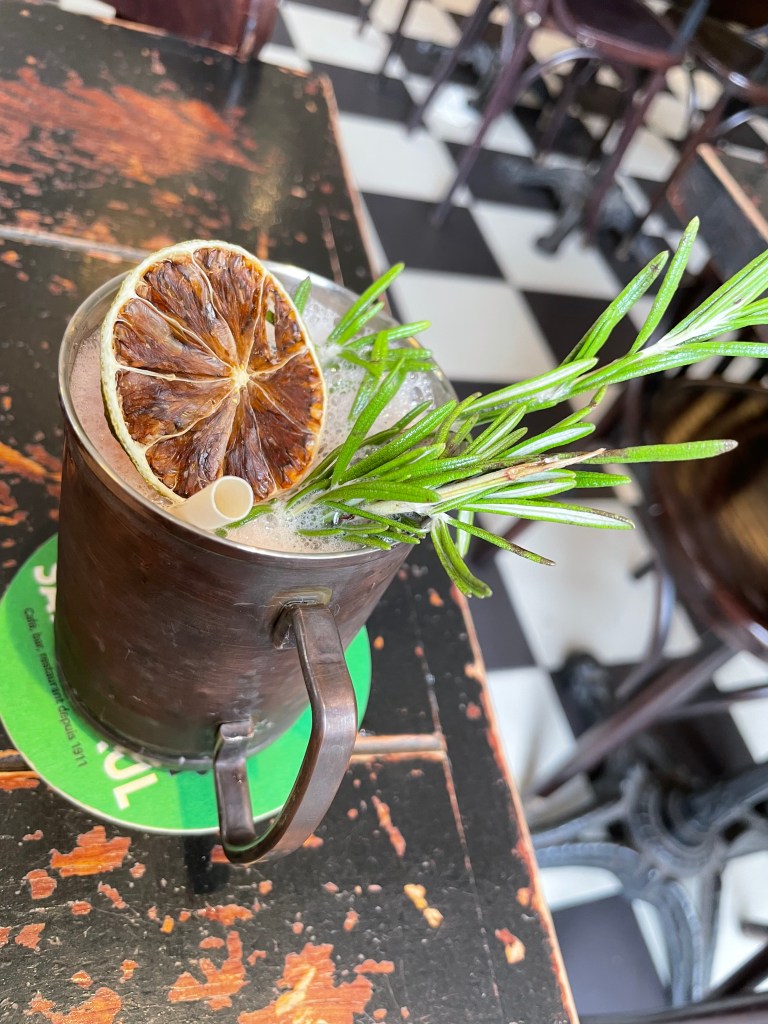
I’m a promiscuous sipper, be it bourbon or beer, though I prefer my cocktails on the sweet and sour side, a little sting. My brother prefers the bite of bitters and high-proof browns. Gin and tonic is my go-to, but I enjoy perusing, and sampling, an inspired cocktail menu, and quality lagers are always an option (IPAs, not so much). I had a gin drink, the Pickled Cucumber Gimlet, at the suave, view-dazzling Avoca bar in Hong Kong that featured pickles and “fire tincture.” It was delicious — sweet, sour, a zap of spice. I ordered it again.

The stylishly casual bar in the Château Royal hotel in Berlin boasts of its “artistry, dedication and genuine hospitality,” and it earns those bragging rights. My brother and I liked it so much last October, and became friendly with the servers over six days, that we even had our morning coffee on its velvet barstools.

And that’s the thing. What makes a bar extra special, what makes you yearn to go back, are the people tending it, from the wildly tattooed and the wisecrackers, to the terse, humble and the tidily dressed, who (hopefully) have an impish twinkle in their eye.

Chatting with them you learn their names, where they’re from, how long they’ve worked there, and what, if any, are their day jobs (usually it’s something admirably offbeat and artistic). And it’s a mutual, symbiotic relationship. “You wanna be where everybody knows your name” goes the song. Well, yeah.

You might think these dimly lit haunts are precipitants of mortality, death’s lubricants. I counter they are refuges of relief, little saviors on life’s pocked avenues, pitstops of pleasure, at best taken in moderation. I drink, therefore I am.

Those great bars, whose names, courtesy of coaster and cards, we always remember. And those great bartenders, real heroes whose names we always get, and always, alas, forget. 

“Drink. Travel. Books. I went broke, but I had a hell of a time.” — Anonymous 

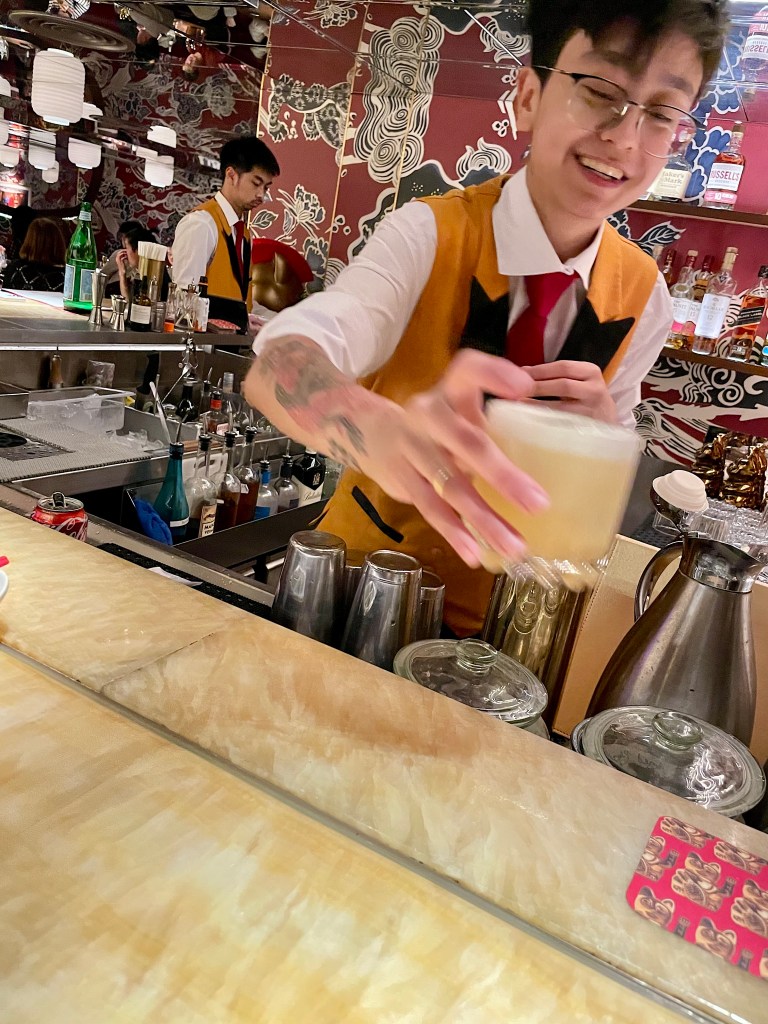
A fantastic bartender at the great Hong Kong restaurant Ho Lee Fook (a pun, say it slowly) serves me a zesty whiskey sour. She also created her own cocktail that she serves in tiny glasses gratis, a nice post-meal touch. We liked it so much, she joined us in another swig.
Knockout gin and tonic in Paris. A little frou-frou, but yum-yum.
Mixing our drinks at famed Italian restaurant Carbone in Hong Kong. That spread of food is the dessert cart.
Alkymya is a sublime little bar in Naples, Italy. That extravagant plate of bites is complimentary, and all the more amazing for it.
.
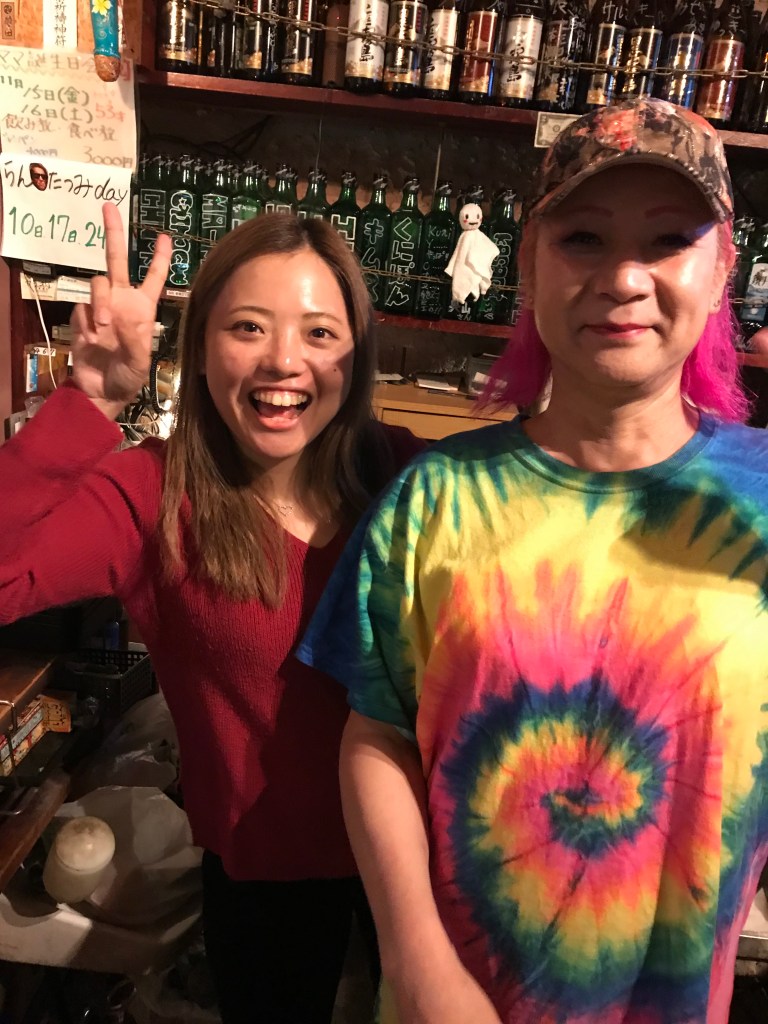
Tiny bar in Tokyo — maybe eight stools — that I haunted often. Fun bartender on the left, and the colorful owner.
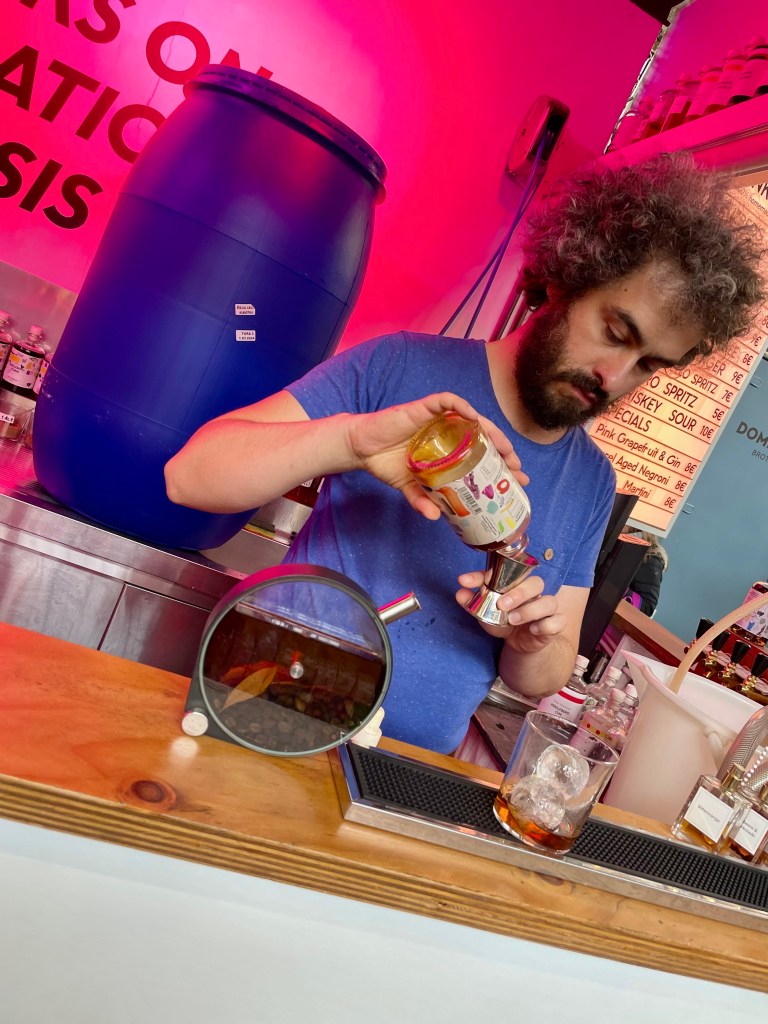
This friendly guy in Berlin makes his own top-notch gin — the name of it eludes me, but the recipe includes coffee — and he’s concocting a superb G&T for me.
At this lesbian bar in Hong Kong, The Pontiac, the signature cocktail is the Hobnail — blended Scotch, ginger, Averna, bitters and orange oil. Excellent. That what she’s making.

Wine tasting — look at the size of that “tasting” pour! — in Goreme, a small town in the region of Cappadocia, Turkey.
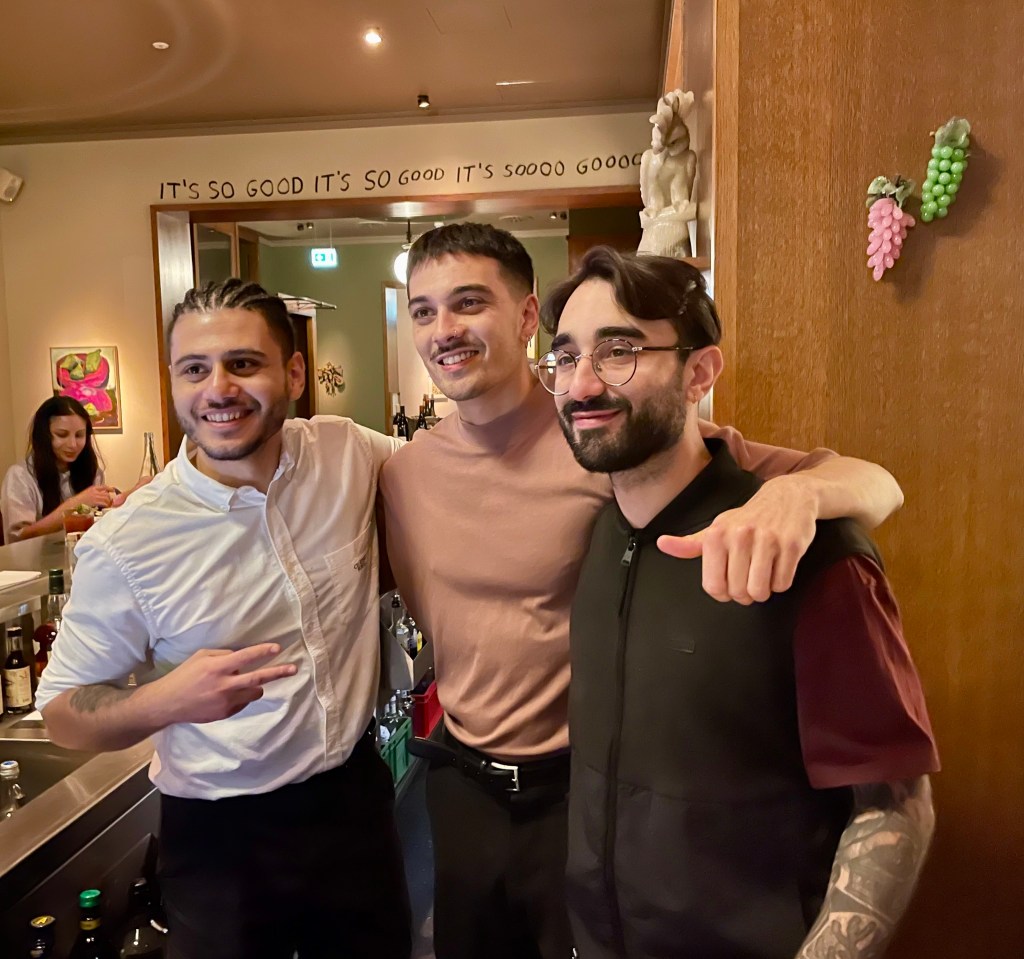
Our heroic bartending crew at the hotel bar at Chateau Royal in Berlin. True pros. True mensches.
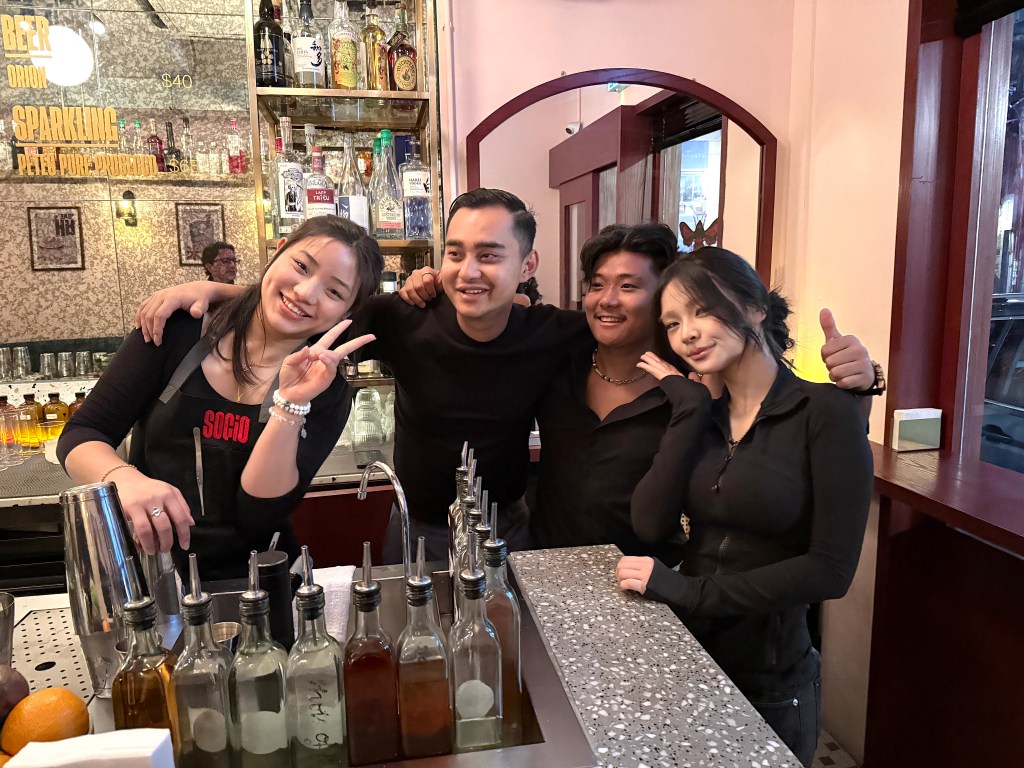
Wonderfully friendly and accommodating bar gang at the barely year-old Socio in Hong Kong, which focuses on libations from the South Pacific. They gave us a generous sample of a unique Australian whiskey when we asked about it. Great drinks, lovely people.

Very cool bartender pouring my drink at Avoca, on the 38th floor of our Hong Kong hotel. He’s only been bartending for three months. Already he’s a master.
Owner/bartender at Bar Jake in Tokyo. The tiny place is a liquid tribute to “The Blues Brothers.” It’s goofy.

Berlin boogie

So there we were, rambling the hip Berlin sidewalks, hopscotching crumpled cigarette packs whose contents the locals so blithely puff, and glancing at the endless walls of colorful graffiti that looks like so much bubble-lettered gobbledygook, when we stumbled on a little shop that sells porcelain pups. Yes: glazed Great Danes and shiny Schnauzers. My brother and I peered in the windows, pointing, laughing, pining. Too bad the damn place was closed. We moved on, slightly crushed. Onward.

Berlin is a beaut. It may not be the prettiest or most charismatic city I’ve been to — you win, Paris, Istanbul and Tokyo — but it is relentlessly amicable, stylish, pulsing. The city, from which I just returned, has a big determined heart, still pulling itself out of the twin muck of Nazism and Communism, that makes it both a little staid and also, wildly, weirdly, the techno-rave dance capital of the world, a pent-up human energy explosion.

It’s an offbeat charmer, animated by a vibrant polyglot and a diverse people, be it leather-clad Eurotrash, Arab falafel slingers, or well-heeled bougies and their primly groomed doggies. It presents an alluring jumble of history and humanity, culture and cuisine, with a dash of decadence and the pesky ghosts of a bleak past that’s shudderingly recent.

We spent six full days stamping the streets, alleyways, museums and squares of this relatively young metropolis, whose US-backed west and USSR-backed east didn’t reconcile till the Wall came tumbling down in the great thaw of 1989. Much of the architecture looks shiny-new, replacements for the rubble left by ferocious Allied bombings during WWII.

Berlin was also rocked by rock ’n’ roll. We took a tour of  the city’s grungy, arty, DIY underbelly in a vintage 1972 Ford Econoline van driven by the shaggy founder of the Ramones Museum Berlin, which is really just a funky bar strewn with punk artifacts. It’s cool. The tour was happily heavy on David Bowie and Iggy Pop’s ‘70s stint in Berlin, which forged a collective creative milestone in rock, including Bowie’s wondrous “Heroes.” We can be heroes, just for one day. Or, in our case, six days.

A side note: For all its diversity — the Turkish and Arab worlds exert strong stakes — Berlin has blind spots. I saw fewer than three Black people in six days, and that’s troubling and hard to fathom for a US visitor. I googled this and read that most of the Black population lives in the so-called African Quarter, an area I’m pretty sure we didn’t hit and whose existence rather unsettles. Ignorance may place me out of my depth here; facts are elusive. And yet.

And now, a smattering of visuals — alas none of those porcelain pups that so capture the whimsy, artistry and dog-love of the bounty that’s Berlin … 

Berlin Cathedral with the famed, kitschy TV tower of East Berlin

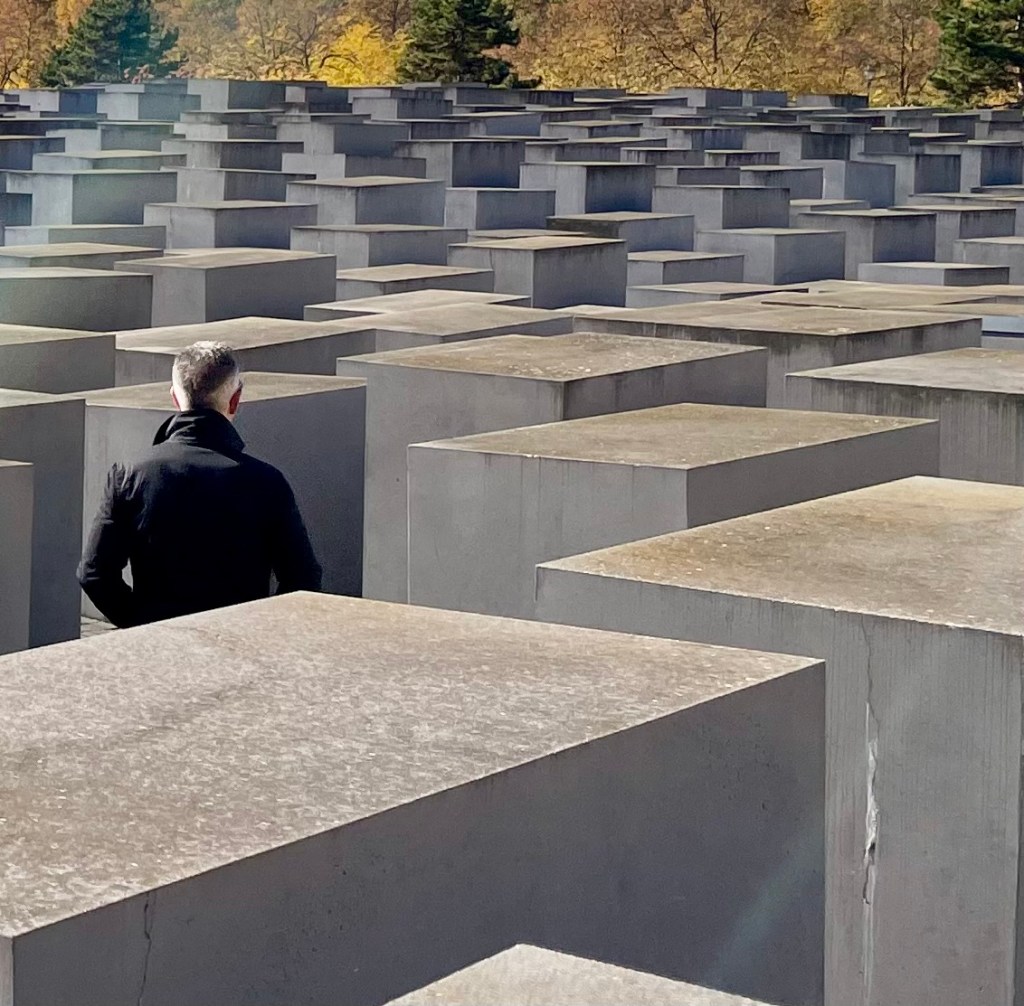
Memorial to the Murdered Jews of Europe — stark, contemplative, abstract

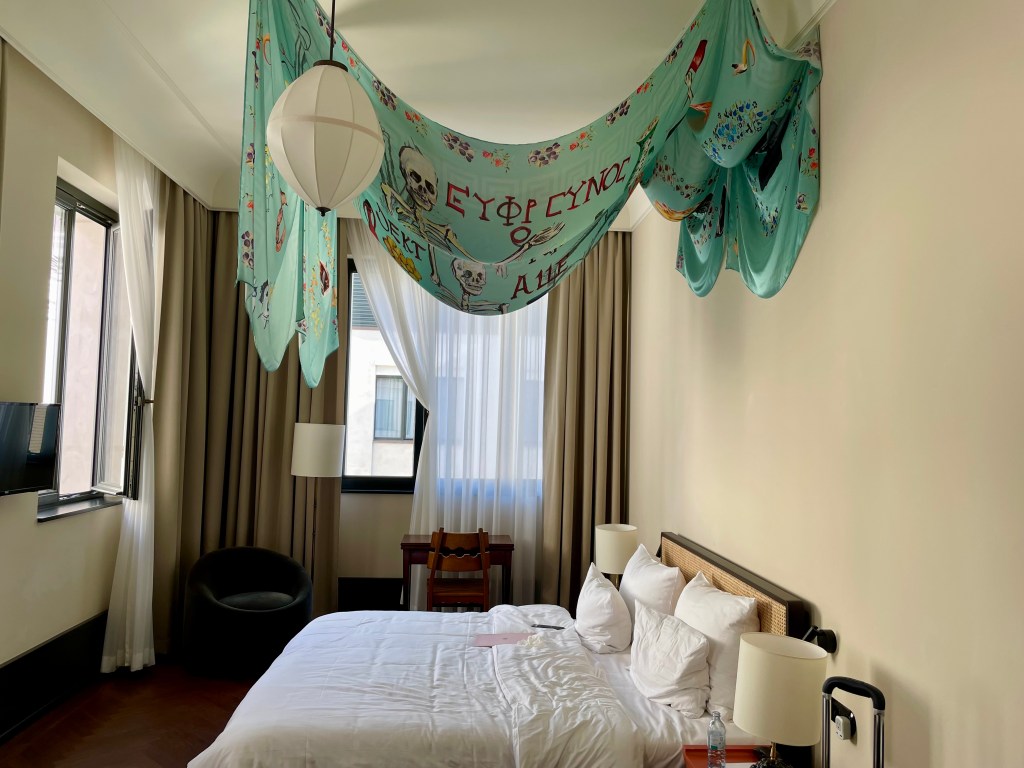
My bed at the lovely Chateau Royal Hotel, with mystifying skeleton-emblazoned canopy

The Tiergarten park, a 520-acre urban oasis in West Berlin, where I sipped a stein of lager in a leafy biergarten

Tiergarten

A bar I wish was open when I passed

Cafe Frieda, my favorite restaurant in Berlin, swathed in that glorious graffiti

Some of the bar staff at our arty hotel, a fantastically hospitable crew, slinging mean, creative drinks
Guinea fowl dinner at my second favorite Berlin restaurant, Eins44 Cantine

The iconic Brandenburg Gate, doing its thing, just sitting there, from the 1700s

One of my new Berlin buds

Dorothea Lange’s luminous despair

Last week I choo-choo-trained to Washington, D.C. to scavenge through its bulging bounty of museums. (And also to get all gourmandy and eat at delish restaurants like Josè Andrès’ Mexican palace Oyamel; do order the guac and the tacos.) The US capital boasts like a billion halls of paintings, history, culture, science and more, and I visited seven in two days. Not a world’s record, but I was pacing myself. Huff, puff.

Tops for me was the National Gallery of Art — more on that in a bit. A close second was the transformative and seam-bursting National Museum of African American History and Culture, where everything from slavery and “Sanford and Son” to the Harlem Renaissance and “Harlem Shuffle” are gorgeously limned. Go.

While the National Gallery’s Rembrandts, Turners and Vermeers made me one of those vexing viewers who stands too long in front of a painting, till other patrons wonder crankily What’s he gawping at?, it was a special exhibition that really got me and did what great art can do: split open your world. 

The show, “Dorothea Lange — Seeing People,” presents some 100 black and white photographs by the great, socially astute 20th-century shutterbug. Her most enduring photo, part of the show, is probably this one from 1936, “Human Erosion in California (Migrant Mother)”:

Gaze at that picture. A little harder. Its masterpiece status is unshakable.

Steeped in jagged beauty and more (prematurely) creased flesh than a dozen old folks’ homes, the exhibit “addresses Lange’s innovative approaches to picturing people, emphasizing her work on social issues including economic disparity, migration, poverty, and racism,” the museum says. 

Alright. Uplifting it’s not. It unfurls a timely, tattered tapestry of naked despair and down-on-your-luck dignity. Yet it’s so filled with shuddering pathos and raw humanity it’s hard not to be moved, shaken, taken. 

Lange’s photos are untouched authenticity — keep your Photoshop sorcery — real people with sun-baked skin and hollowed eyes, capturing the American experience of a time, the 1930s to ‘50s, and places, the Dust Bowl to San Francisco. They don’t let you off the hook.

Exhausting, yes, but exhilarating too …

“Migratory cotton picker, Eloy, Arizona” (1940)
“Mexican workers leaving for melon fields, Imperial Valley, California” (1935)
“Nettie Featherston, wife of a migratory laborer with three children, near Childress, Texas” (1938)
“Maynard and Dan Dixon” (1930)
“Young girl looks up from her work. She picks and sacks potatoes on large-scale ranch, Edison, Kern County, California” (1940)
On the Plains a Hat Is More Than a Covering” (1938)

In Eastern Europe, a chain reaction

The free-market floodgates of post-communist Budapest have let in the Wicked Waste of the West, from Burger King and McDonald’s to Starbucks and KFC.

My genial young guide on the Budapest Jewish Quarter tour last week let slip his attitude about the tawdry chain invaders when we passed a Hard Rock Cafe and I made a snarky quip. “I won’t even talk about it,” he huffed with a wave of the hand, as if fanning away a stench.

This, of course, is nothing new in my travels, or even in our very own USA. There’s a festering resentment of western chains encroaching on native businesses with crass venality. 

On another tour in Budapest a few days ago, the guide took aim at Starbucks’ coffee, explaining proudly how inferior it is to almost any local cafe offering. (True. I tried some.)

Grumbling about foreign corporate chains is a vigorous sport among the educated classes in Europe, bashing them and their ostensibly shoddy, unhealthy, unethical food products, sold with such vulgar aggression. (Apple, Gap, Nike and other mega-retailers get a breezy pass. A Mac is hip; a Big Mac not so much.)

Traveling in two post-Nazi, post-communist countries in recent days — Hungary and Poland — I enjoyed the dissonance of Old East banging heads with Newish West. I’m a wuss, sort of taking both sides in the argument, leaning toward the European stance. (I happen to think most fast food is execrable poison.) 

Now, beyond carping about capitalism, here’s a few pictures from a wonderful journey to a slab of the world I find beautiful, fascinating and unfailingly friendly. The trip — filled with head-spinning history, humbling humanity and killer cuisine — was a knockout.

The most famous “ruin bar,” called Szimpla Kert, a huge, arty pre-war ruin in Budapest’s hip Jewish Quarter
Budapest’s iconic Parliament through the window of a Danube River cruise
The infamous gate at Auschwitz, the Nazi death camp in Poland. Yes, some dolts took selfies there.
Main Market Square in Old Town, Krakow, Poland
Main Market Square, Krakow, from my hotel window, about 6:30 a.m.

My blog photo explained (again)

About four years ago I did a short post explaining the photograph that graces my blog, Gnashing — the black and white one at the top of the page showing a gaggle of children going bonkers with delirious glee, fear and surprise as they witness something magical, or menacing.

Since then other readers have asked about the picture, and instead of explaining it again, I offer a direct link to that brief blog. It tells you all you need to know about an image I never tire of, a photo that captures such a paroxysm of raw, joyous emotion, you either have to laugh or cry. Go right HERE.

The wow of Bilbao

In a fight, Madrid beats Barcelona. That’s my take. I’ve been to both Spanish cities twice now — I returned this week from the capital, Madrid — and conclude that Madrid is the real charmer, the metropolis of less sprawl, less dazzle, less tourists. If it has perhaps fewer bucket-list attractions — despite the marvelous Prado and its trove of Goyas and El Grecos, and Picasso’s overwhelming “Guernica” at the Reina Sofía — it compensates in sheer street-level charisma.   

Madrid is about its distinct, vibrant, supremely walkable barrios, humming with old-world quirks and character. Tapas, flamenco, doggies, blue-chip ham that’s cured for years, wonderful locals, seductive atmosphere. There’s something more intimate, more personal, more special about Madrid compared to big chest-thumping Barcelona. Both are world-class — I do love my Gaudí — but I could live in Madrid.

On another high note, one of my trip’s tippy-top joys was a two-day jaunt to Bilbao, far north in hilly Basque Country. If you know Bilbao, a bustling bayside city of 350,000, it’s probably because of the famous Guggenheim art museum, which is celebrating 25 years as a ridiculously successful tourist magnet.

The Guggenheim, designed with playful splendor by architect Frank Gehry, is a shimmering shrine for modern art, from Serra and Rothko to Warhol and Bourgeois. It’s a succinctly curated spread of visual greatest hits, a tantalizing survey that’s intelligently to the point. You leave filled, not fatigued. 

Naturally the Guggenheim’s star is Gehry’s woozy vessel for the art — all shiny, warped grandeur — which is not only gorgeous, but mind-boggling. How does he conjure such elaborate beauty? (Er, genius.) And how in the world was it actually built — by elves and sorcerers? It’s all so breathtaking, a fun, lavish, almost Escherian modern marvel that vaults gawkers into fits of selfie euphoria. 

Here’s a few more angles:

Louise Bourgeois’ giant spider teetering on the museum waterfront.
Inside the museum, Richard Serra’s extraordinary space-bending steel sculptures.

And some shots of Bilbao and Madrid:

Madrid flamenco. So much boot-stomping, hand-clapping, sweat-flying drama. Operatically physical.
Madrid
Bilbao
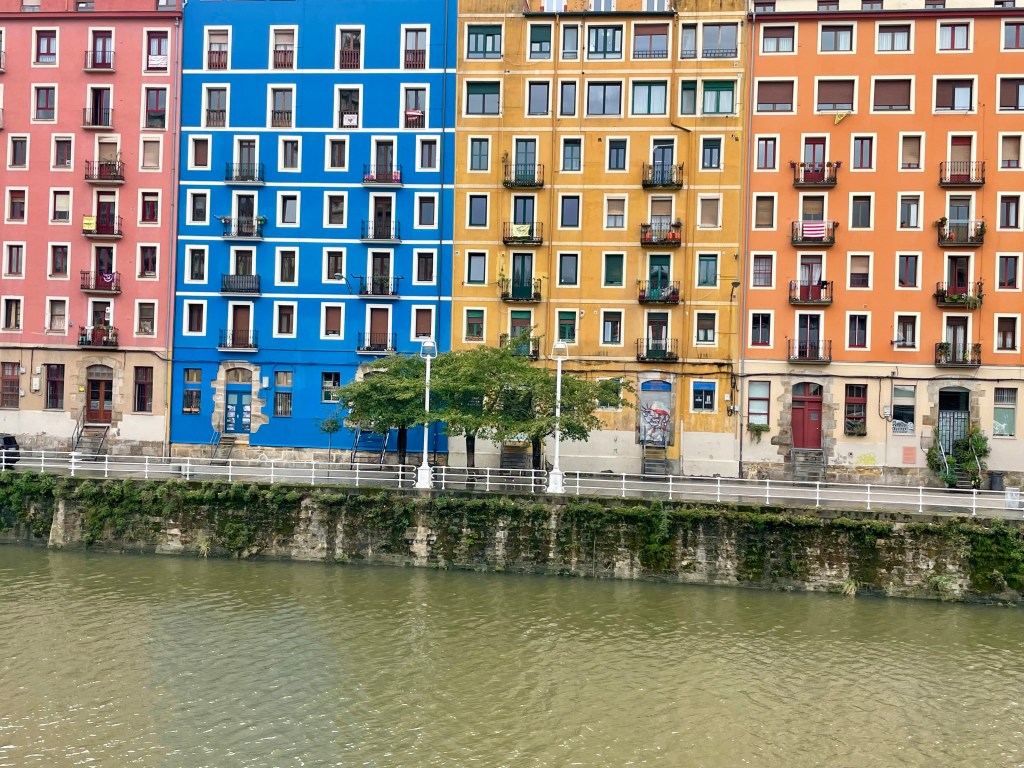
Old Bilbao
Old Bilbao
Halloweeners in Madrid (a rare sight)
Street-art dog, Madrid
Real dog, Madrid

Notebooks to MacBook — it’s not the same

Used to be a small notebook and a fist-sized camera were my best friends on my travels, each jammed in a coat pocket ready to record spontaneous events. I’d take florid notes in my notebook — usually a trusty Moleskin and always in blue ink, always — and snap shots with my Panasonic Lumix, a sleek digital wonder, like a geeky shutterbug rapt with the world.

Things change. Today I carry along a MacBook Air for writing and an iPhone 12 mini for photos, and of course it’s not the same. Instead of turning my weathered notebooks into lavishly illustrated, ink-splashed scrapbooks, slathered with ticket stubs, business cards, adverts and newspaper clippings, I now find a dark place in uncrowded bars and lobbies or my hotel room to type and record the day’s impressions in the glow of the computer. It lacks all the tactile fun and creativity of the notebooks, which exude an intoxicated brio, but it’s rather utilitarian, and right to the point. I no longer need Glue Stick. 

The iPhone, I hate to admit, takes equal if not better pictures than the Lumix, so I miss little there. Plus it’s far smaller cargo to tote around. Like an Altoids tin.

But it’s the notebooks, those eye-popping documents of doodling, journaling and scrap-bookery that give me pause. I miss crazily jotting in them all that I saw, heard, tasted with a right-now urgency. They pulsed. Popped.

So why don’t I still do it? Sad to say I don’t have the energy for them anymore. I’m a more sedate traveler now. The last time I brought along a Moleskin was to Paris six years ago, and I wrote almost nothing in it and collected limply a few ticket stubs and scraps to glue in it. I’ve gotten a little jaded. And, erm, older. I don’t feel the need to rip out newspaper clippings or save little street flyers and stick them to the creamy blank pages.

But I still record and retain, with passion. The laptop keeps things throbbing. On my last trip, to Italy, I produced five live reports from the airport, the hotel bar, my room and elsewhere, with photos. I blogged them, something I couldn’t do with the chicken scratch of my paper journals and all their scrappy idiosyncrasy and improvisatory punch. They were page-bound, and hitting “send” or “publish” wasn’t an option.

Still, I can’t abandon the idea of a physical journal for one’s travels. If done right, with raging curiosity and a magpie’s eye for minutiae, the books make marvelous keepsakes and souvenirs, stuffed with facts and ephemera, a living gallery of the journey. They’re also a great repository for the names and emails of people you meet along the way.

Scribbling in bars and cafes frequently draws the attention of fellow travelers, who approach and ask what you’re up to. There you are, channeling the absinthe-tippling artists and philosophers of fin de siècle Europe say, or today’s hoary Brooklyn hipsters. It’s an art form, and it’s the best thing you’ll bring back from your trip. Swear.

Istanbul, 2018. It’s come to this.