Running the Red Light

As we strolled by the famous Theatre Casa Rosso, Amsterdam’s mecca of live sex shows, our Red Light District tour guide, an American expat with an aptly ribald air, offered the small group a couple of tips. 

“I strongly suggest you go to a live sex show, where you see people actually having sex on stage. And I think you should try the nearby peep show, where you can watch various sex acts through a little window at a cost of 2 euros for two minutes. It’s a riot.”

IMG_1078.jpg
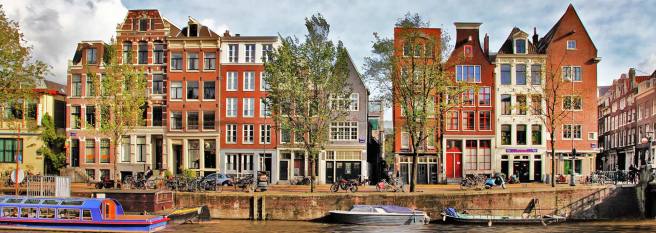
Red Light District canal lined with lust and live sex shows. The fabled Casa Rosso on the left.

She chuckled at her naughty proposals, but she wasn’t kidding. While others in the tour vacantly snapped photos, she took me aside and stressed what a kick the peep shows are in language I won’t share on this page. 

Of course I took the bait. I was in Amsterdam last week and, as always in my travels, I strive for an immersive experience. I’d already caught one of the live sex shows during a previous visit to the city years ago. (It was one of the least sexy spectacles I’ve ever seen.)

IMG_1086
Perhaps the oldest coffeeshop in Amsterdam, The Bulldog, where pot and hash are sold and smoked. It’s also the most touristy.

So I went for the peep show, because at 2 euros ($2.37) there’s little to lose. The peep show theater is like most of the live sex show venues on the lip of the canal — dark with black walls and a few colorful lights. I walked into a broom-closet-size booth, dropped a coin into the slot, and a small window slid open. The whole thing smelled of disinfectant.

On view was a young woman in a thong bikini writhing on the floor, occasionally shaking her tush at my window, then writhing some more. Immediately bored, a tad nauseated, I lasted about 52 seconds. It was unsexy, unsavory, underwhelming. Moral qualms weren’t at play; aesthetics were. Yet I didn’t feel burned as I left. I didn’t know what to expect, although the tour guide promised miles more than what I saw. Glad I missed it.

Next to the fierce, hands-on-hips prostitutes rapping their glass windows to get my attention, that was the extent of the “sexy” side of the Red Light I endured on this visit. I skipped the ultra-raunchy Sexmuseum Amsterdam (I did that on the last trip; one word: bestiality) and the softer Erotic Museum, and eschewed the glut of tawdry sex shops selling so much rubber, leather and latex, eye-popping erotica so loony it was comical.

IMG_1072.jpg
Red-lighted brothel windows where sex workers showoff their merchandise.

Shot through with Instagram-ready canals and curling medieval alleyways, the Red Light District is so iconic it’s practically a cliché. Pot-peddling coffeeshops, bondage and condom stores, coitus and cannabis museums — a cornucopia of no-no’s that happen to be gleefully and legally A-OK. It’s a degenerate’s playground, a voyeur’s wonderland, and an exotic otherworld for the blamelessly curious.

IMG_1097
Oude Kerk

Rinsed of its notorious junky past, the Red Light is safe, clean and aggressively touristy. It can be enigmatic, and incongruities abound: Next to the Princess Juliana Nursery School, where children of sex workers attend, are not only brothels, but also the gothic 14th-century church De Oude Kerk (The Old Church), once Catholic and now a bastion of Dutch Protestantism. It’s the oldest building in Amsterdam. Around the corner is the city’s comparatively staid Chinatown, crackling with ethnic eateries, whole cooked ducks dangling in windows.

While pot-smoky coffeeshops and party-hearty bars lace the neighborhood — see The Bulldog chain — hidden gems are nestled amid the mild mayhem. Just off a canal, tucked in a snug alley, sits the jenever (Dutch gin) tasting tavern Wynand-Fockink, a 17th-century distillery of international renown that packs ‘em into its W.C.-sized room. 

The flavored and unflavored jenevers — scores of varieties line the back wall — are poured liberally in tulip glasses for free tastings. I tried a range of five, settling on a lemon-infused concoction that was as refreshing as lemonade, but with snap. 

IMG_1087.jpg
Some of my samples at the jenever tasting at Wynand-Fockink.

Frankly, it had more bite, imagination and personality than the pallid peep show I stumbled out of moments earlier. A good stiff drink is always a powerful antidote to a spirit-sucking sex show.

The Red Light District can’t quite transcend hard-stuck stereotypes. Yet physically it’s startlingly pretty, graced with old, skinny gabled houses, tree-lined canals and cobblestone pathways. It’s one of the city’s homiest hoods. Bicycles asphyxiate streets with a collective smile, wind-blown hair and the musical clangching of tiny bells.

IMG_1071.jpg

The District bristles with fast food stalls and it’s prime for the mandatory frites, or fries, drowned in mayo. A mad confusion of tourist shops tout the gamut: T-shirts and postcards, psychedelic mushrooms, pot-infused lollipops, trip-happy Space Cakes, bongs, pipes and papers, condoms and cock rings.

You can’t help smirking at this uninhibited XXX Disneyland, which broadcasts its checkered past in blazing neon and, with equally cheeky pride, trumpets a checkered present aspiring to smutty heights. Yet if it knows no limits, it’s clear that most of its visitors do. (As you’d expect, the later it gets, the rowdier it gets.)

The District is hardly running amok (see these safety measures for sex workers), even if some imaginations do. With few exceptions, the place is shrink-wrapped, condom-coated, safe and, counterintuitively, good, clean fun. It’s naughty, but nice.


Heineken’s museum of Hell

Before I travel, I prepare like a madman, and my outstanding trip to Amsterdam last week was no exception. One night, fueled by wide-eyed, butterfly-stomach pre-travel excitement, I purchased a few advance museum tickets online: the Rijksmuseum (all majesty and splendor), the Van Gogh Museum (strong, if a tiny bit disappointing) and, in a snap of psychosis or addled hastiness, an 18 € ($21.50) ticket for the Heineken Experience, billed as a “sensational interactive tour” set in the original Heineken brewery turned museum in Amsterdam’s city center.

I grossly miscalculated.

The Heineken Experience was so massively lame, such an appalling and transparent marketing apparatus, that I was actually embarrassed to be there. You don’t go to be enlightened but to have “interesting” factoids about the Heineken family and the titular beer’s recipe recited to you by overexcited twenty-somethings wearing skinny headset microphones á la Beyoncé. If you have any idea how beer is made, the tour is old news.  

I should have known better, that a beer tour that includes two and a half “complimentary” drinks would attract mostly frat boys, their sorority cohorts and Euro trash, all of whom seemed glazed with boredom by the broad and vacuous explanations of how hops, water, barley and yeast make beer, and didn’t even seem terribly impressed by the stable of eight black horses, the so-called famous Heineken horses that stood there looking equally bored, sad that they didn’t get to also imbibe the scrumptious brew.

heinekenexperience.jpg
One of the blush-inducing “interactive” delights at the Heineken Experience.

When the informational part of the tour ends, the museum falls back hard on high-tech filler that you can’t believe, from a ride in which you become a beer bottle to laser-lighted basketball hoops; a room pumped with blaring electronic dance music and strafed with green (the brand color) lasers, to a large photo-booth room where people sit on stationary Heineken bicycles while street scenes of Paris are projected on back-screens, so it looks like you’re pedaling through the French capital. Imagine that! People were having a good old time on those bikes, smiling at their own images as if they really believed they were in Paris. And they hadn’t even drank yet.

3707_0_0_original.jpg
Selfies, unaccountably huge here.

By then I was practically jogging to the final room, the bar pouring “free” beer. I sipped my beers with the faintest scowl, while trying to pretend I wasn’t altogether repulsed. My fellow chumps were laughing, taking endless selfies, shaking to the music, which veered from nauseating EDM to friendly pop rock. 

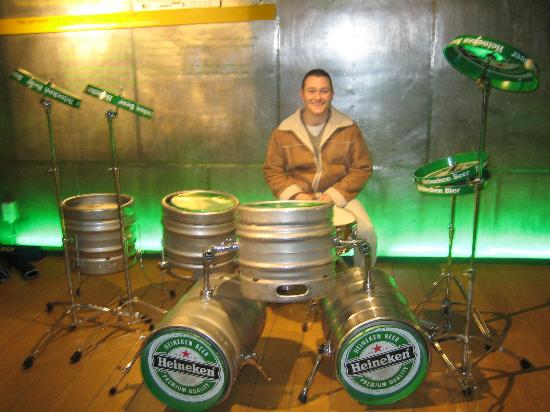
drums-at-the-heineken.jpg
A drum kit made of beer kegs! He looks elated and not at all a little confused.

All I could think was: There isn’t enough Heineken suds in this entire old brewery to numb me enough to believe this was a good idea. And then there was this: As in all museums you exit through the gift shop. But once you leave this emporium of baldly branded gear, guess what? You hit another gift shop, which is when I sighed to myself, Get me out of this Heineken hell. I felt violated, ripped off. Worse, those beers didn’t even give me a buzz. 

heineken2

A disproportionate amount of weak to bad museums litter otherwise wonderful Amsterdam — from the pot museum, prostitution museum and cheese museum, to the sex and erotic museums to the canal museum and, yes, the dopey Heineken predicament.

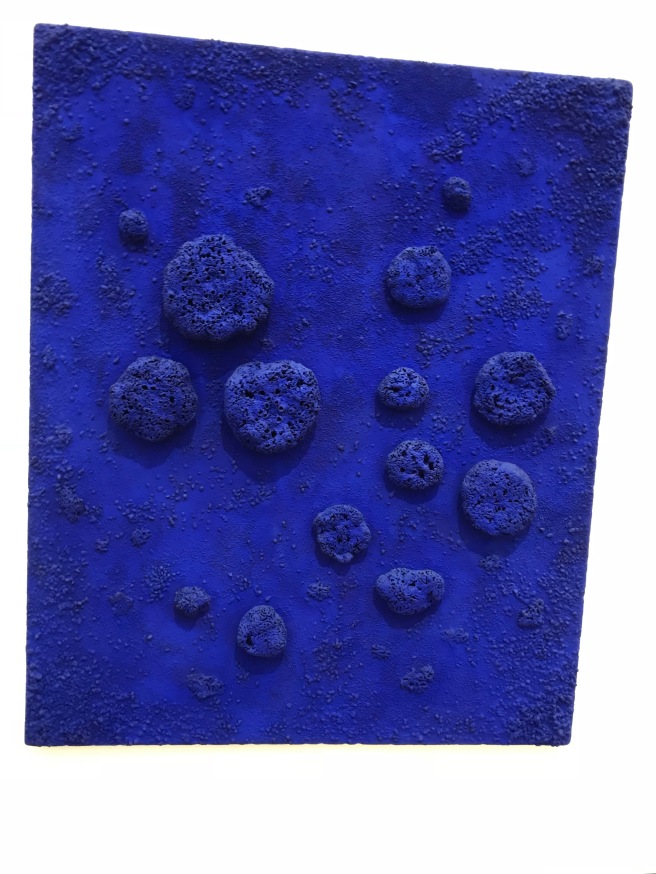
The antidote is to choose wisely. You can’t miss with the aforementioned Rijksmuseum (Rembrandts and Vermeers adorning a knockout space) and Van Gogh Museum (beautifully curated and suavely laid-out), plus the fine modern art collection at the underrated Stedelijk Museum, where everyone from Picasso to Damien Hirst are represented by canonical works. I’d gladly trade those 2½ beers for just one look at this ravishing blue doozy by Yves Klein at the Stedelijk:

IMG_1084.jpg

Ambling across Amsterdam

Amsterdam prevails.

Weighing Budapest against Amsterdam for my next trip, the Netherlands won out ably after effortless contemplation that sprung to mind peerless European art, worldly cuisine, cobblestone, canals and cannabis. 

eating-amsterdam-about.jpg

Compared to the striking Hungarian capital, there’s more to see and do in one of Europe’s most bristling cradles of culture, a smallish, quintessentially Old World setting marbled with a pungent contemporary tang. (And naughtily dubbed Sin City for its legal prostitution and lax marijuana laws.)

Once, in the 1600s, it was the world’s richest city; port-centric commerce flourished. Now, it’s a reservoir of humanistic riches — art, food, style, architecture. Friends of mine are so taken with the city that they’re moving to Amsterdam from Manhattan ASAP.

It’s been years since I’ve visited Amsterdam, and those times had the brevity of stopovers. Budapest’s Gothic spikiness and post-Soviet chill can wait. My destination offers popping pastel charms, including an iconic fretwork of canals lined by trees and spindly, leaning houses that seem to be jostling for room on the banks. And now there’s a lot more time.

No tulips or bicycles for me (and, alas, no Anne Frank House: tickets are plum sold out during my stay, though I’ve been there twice before), but I’m all about the hazy gold and brown Rembrandts, those Vermeers and the cornea-sizzling Van Goghs gracing the majestic Rijksmuseum and Van Gogh Museum, plus the spread of classic modern art — Haring to Kruger — at the recently reopened Stedelijk Museum. 

starry-night-by-vincent-van-gough-hd-wallpaper.jpg

Gourmet stuffed pancakes, Indonesian bites (of which Holland is a hotbed), Dutch dishes, frites with mayo, pickled herring, European lagers and gin, or, in Dutch, jenever — that’s my menu. Cafes, pubs, maybe a sooty “coffeeshop” — those are where I will recharge. 

vm01.jpg
Museum Vrolik, grisly, glorious.

Out of touristic obligation I’ll trot the tawdry and corny Red Light District, which stings the nostrils with damage, despair and possibly disease, and get out fast to catch a 90-minute canal boat tour run by the cheeky Those Dam Boat Guys, who encourage you to bring whatever ingestible vice you’d like. “Bring all the wine you have,” they exclaim. “Sure, it thins the blood and will kill you quicker, but I’ll be damned if it don’t make you forget the nippiness. We’ll provide the best cheap, shitty, plastic cups not very much money can buy!”

2965155881_f2ccd43aaa_o

After that, a heady spin through the Heineken brewery seems mandatory, as does the Museum Vrolik, a shuddery repository of the “normal anatomy of humans, but also pathological anatomy and congenital malformations.” Meaning, contorted skeletons, chubby jarred fetuses, outlandish taxidermy and all things squishy and wrong. 

I blush at how this reads like a breathless brochure by a lackey at the Amsterdam Chamber of Commerce. Part of the unseemly boosterism, the unbridled optimism, comes from the vim of nailing down a destination and the kick of anticipation. Of the simple notion of travel and gulping the exotic. Of being able to finally say: Amsterdam. Yes.

A few things keeping me afloat

A glass half-empty sort of fellow, I maintain a suspect relationship with reality, an existential leeriness that has proven keenly unhelpful. Though I’ve fought it, I’m kind of stuck with it, a black and blue complexion not unlike a bruise. 

The world’s not helping — Trump, Syria, Israel, Bolton, the EPA, fires, flooding, shootings — but I’m still able to locate an array of things to be glad about. Small, but good.

I could mention the pleasures of last week’s birthday, my family’s sound health, my sister-in-law’s spiffy new car or the dog’s chewy glee over the pig’s ear I got him. I could mention my niece’s turquoise hair, my friend’s marriage or how the Stormy Daniels affair is closing in on the president like a vice. 

But I won’t, even though I just did. 

Here are a few other things currently leavening my oft-smudged outlook:

  • Last week saw the release of “Inseparable: The Original Siamese Twins and Their Rendezvous with American History,” a book this circus freak-show fanatic had to get, and did as a birthday present. Yunte Huang’s widely praised biography of famed conjoined twins Chang and Eng Bunker is a vast, panoramic narrative of the twins’ bizarre, unlikely life (wives, numerous children, slave ownership) in 19th-century America that deftly weaves details and personalities from U.S. history into a rich, fluttering tapestry. Elegant prose twins with magnificent detail.

61PpZ6teJWL._SX335_BO1,204,203,200_.jpg

  • The giddy anticipation of mulling world travels is a reliable endorphin. I recently posted my dual urges to go to Budapest and Amsterdam — the former I’ve never been to, the latter I’ve visited in quick, couple-days spurts. Always looking ahead, with one eye on the calendar and one on the map, I get a jolt just thinking about strolling new streets, eating exotic cuisine, ogling art, architecture and people. It’s already April. Time to start some serious research. (Spoiler alert: I’m leaning toward Amsterdam.) 
427490.jpg
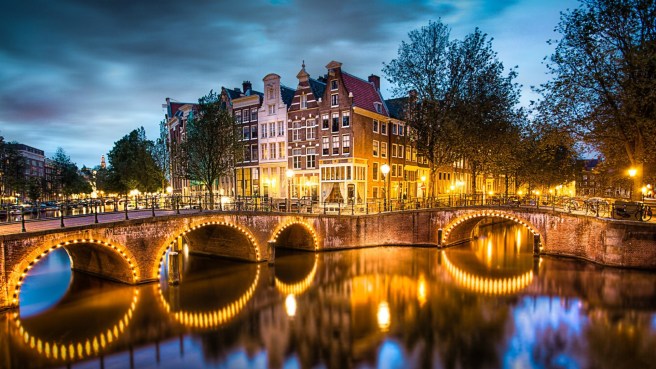
Amsterdam
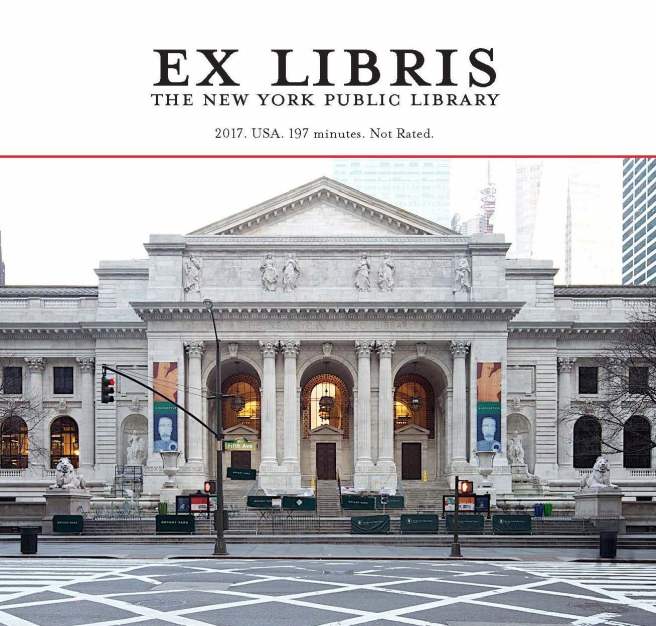
  • I’m captivated by the film “Ex Libris: The New York Public Library” by that doyen of documentarians, that genius of fly-on-the-wall observation, Frederick Wiseman (“High School,” “La Danse”). Released last year and running a whopping three and a half hours, the movie is a leisurely, painstaking amble through the hallowed marble halls, offices, shelves and auditoriums of the NYC institution. Wiseman’s eminent pointillist eye and febrile curiosity fashion an immersive experience inside everything from folios to fundraising, e-books to behind-the-scenes bureaucracy, programs to performances, community outreach to the organization’s pumping inner organs. Almost defiantly, “Ex Libris” is culturally kaleidoscopic. 

event-featured-John-Fraser-1507862176

  • Another birthday gift whacking the sweet spot is a squat, artisanally stylish bottle of Monkey 47 Schwarzwald Dry Gin, a German, handcrafted, batch-distilled, 47-percent alcohol (94 proof) beverage that tastes like an Everlasting Gobstopper in liquid form, swirling and multi-chromatic — fragrant, aromatic, smooth, rich and tangy. My brother was scanning the gin shelves and three individuals, one who worked in the shop, voluntarily told him that Monkey 47 was the best gin they’ve had. Three random people. He was sold. Now we both are.

monkey-47-schwarzwald-dry-gin-1-1.jpg

Retro movie review: ‘The Darjeeling Limited’

“The Darjeeling Limited,” from 2007, is minor Wes Anderson but, as always, colorful and interesting, frantic and funny. I bring it up because of Anderson’s new “Isle of Dogs.” Wildly stylized, a bit melancholy, “Darjeeling” holds up better than many think. My review upon its release:

From “Rushmore” to “The Darjeeling Limited,” Wes Anderson inserts us into lush and artificial places, heady imaginary worlds slathered in sizzling primary colors and soundtracked to infectious ’60s rock that courts a light-headed buzz. His ornate sets and surgical compositions are like dioramas made of gumdrops and lollipops. Be sure: They will cause toothaches.

Anderson is a showman — a show-off — with a dandy’s sensibility for design and décor, a little bit of Pedro Almódovar swished with Richard Lester, lovely but spasmodic. That aesthetic hit its mark in “Rushmore,” one of Anderson’s comic masterstrokes (the other is “Bottle Rocket”), but got out of hand in the cloying “Royal Tenenbaums” and the meandering “Life Aquatic with Steve Zissou,” cutesy confections that strained to delight the Anderson cult with rampant quirks.

Anderson’s a hipster nebbish, the self-conscious artist as a youngish man still locating a workable balance of personal voice and cinematic immortality.

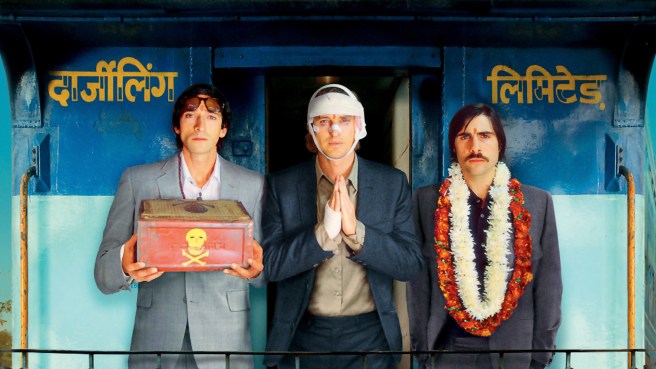
the-darjeeling-limited-still.jpg

Perhaps chastened by the pallid response to “Life Aquatic,” Anderson pulls back in “Darjeeling” for something sweetly inviting. Co-written by Roman Coppola and one of the film’s stars, Jason Schwartzman — both of whom trace bloodlines to the Coppola dynasty — this yeasty picaresque about three troubled brothers on a bumbling train journey across India shows Anderson in fair control of his material. Excess gives way to highly stylized understatement, grounded by an unmistakable thrum of melancholy.

In fact, the affair is so mild that Anderson’s ideas about reconciliation and healing amid a dysfunctional family (abiding themes in all his movies) don’t quite jell. When the rural Indian dust settles, it’s not clear what the characters actually accomplished in their distinctly un-mythic quest.

Still, it’s a fun ride. Schwartzman, Owen Wilson and Adrien Brody make an amusing trio whose passive-aggressive deadpan is relieved by fits of brotherly scrapping. Yet we never get caught up in their professed spiritual journey or the small adventures into which they shamble.

Anderson tames the dirty, dizzying India of reality and other India-set films. He brightens it up with that free-flowing electric pallete and organizes the chaos to fit his fussy sensibilities. From all reports, he even gets the smell of the country wrong. (“I love the way this country smells,” Brody’s character says. “It’s kind of spicy.”)

Anderson has no interest in the heaving Indian miasma. He fails even to contrast our goofy heroes’ monied, white upper-middle classness with the local penury. Everything is beautiful: Their titular train is all luxury coaches, and when they enter a far-flung village, the light falls perfectly, the colors mesh and flowers abound.

That village sequence, by the way, centers around a sudden tragedy midway through the 90-minute film. It’s a thing of sadness, but Anderson mishandles its impact on the story. The incident not only shuts down and sobers up the boys, who have been clownish entertainers until now, it throws a pall over the rest of the show.

A blowzy charmer, Wilson mostly reprises his Dignan character from “Bottle Rocket,” playing the bossy, control-freak brother with an iron plan. He’s brought a travel assistant with a PC and printer to be cumbersomely schlepped around.

Eerie to some, par for the celebrity course to others, Wilson’s character sports a mummy’s worth of facial bandages through the film, thanks to a failed suicide attempt, which recalls the actor’s recent real-life suicide attempt.

All three brothers bear wounds. Schwartzman, who mysteriously goes barefoot the entire trip, looking like Paul McCartney on the “Abbey Road” album, is nursing a broken heart, and Brody’s stuck in a moribund marriage. The trip, ring-led by Wilson, is also a way to bring the brothers together after a year of silence following their father’s death.

Slight as it is, “The Darjeeling Limited” is of a piece in the Anderson oeuvre. Ferrying between poles of enchantment — happy levity to wistful sorrow — it tenderly limns shattered family dynamics, and does so with panache. Anderson’s visual tics are in full flower: the swift, information-packed pans; long horizontal tracking shots; lyrical slow-motion. (And, hey, there’s Bill Murray!)

Some will call this mellow picture minor Wes Anderson, which would be reductive. I call it growth.

Budapest or bust. (Likely the latter.)

With no travel planned for the near future, an empty, aimless feeling kicks in, and I’m like: Now what? My wanderlust is muscular. The urge to move pulls hard. I would like to hit the road — or, more accurately, the air — and be transported to a new land with new people, new sights, new food, new thrills.

Today I was aroused by a travel story about Budapest on The New York Times web site. “36 Hours in Budapest” unfurls a highlight reel of things to see and do in the Hungarian capital in a brisk day and a half, from famed thermal baths to a burgeoning modern art scene; from brand-new, extremely well-stocked artisanal bars to Michelin-rated eateries. I’m revved about all of it.

Budapest Hungary 16.jpg
Budapest. Perhaps. Or not.

I almost hopped a plane to Budapest a few years ago. In fact, I wrote in a December blog entry: “I’ve come close to trying Hungary, mostly for the Gothic visions of Budapest, but there doesn’t seem to be enough cultural ballast to sustain a full trip.”

Bite my tongue.

Yet maybe Budapest is a bust. Then again, that article sheds entrancing light on what it calls “a regional powerhouse in terms of art, design and cuisine, home to a dynamic fashion scene and more Michelin-starred restaurants than any other city in the former Eastern Bloc.”

Cool. But it’s so much pie in the sky. I won’t be going to Hungary any time soon. Funds aren’t robust and it’s rather short notice. I curse the Times article for enticing me, like a mouse to cheddar in a trap. Fiends.

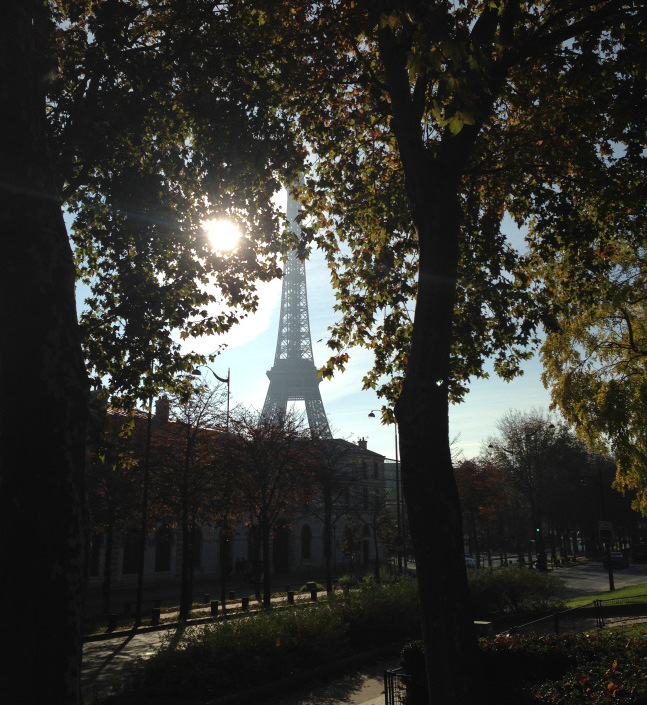
My brother pointed me toward a $300 round-trip flight to Paris in October on budget-friendly Norwegian Air. That’s amazing. But it’s also seven months away, and I went to Paris for the fifth time a little over two years ago. I need something more novel and less trodden. (Anyway, I’ll always have Paris.)

In my December blog, which echoes this one in its anatomization of pesky wanderlust, I mulled where I might travel next:

“Obvious contenders are places I haven’t been, from South America to Kenya and Iceland; from Indonesia and Ireland to Singapore and Stockholm. … I’m picky. Some places just don’t seem culturally rich enough, or they’re too mojito-on-the-beach boring, or they’re totally repellent in an I-don’t-want-to-be-beheaded way. Too hot. Too cold. Too aesthetically barren. Let’s not forget places with unconscionable alcohol bans.”

1297231.jpg
Amsterdam wants me.

Ireland seems increasingly attractive. A reader nudged me toward Northern Europe (I forget what country exactly, perhaps Norway). I prefer a place where I have to wear a light jacket. Amsterdam, though I’ve done it a couple times, intrigues. (I never tire of the Rijksmuseum or Van Gogh Museum. Or those, um, fragrant cafes.)

Then again, Budapest. It beckons, quietly if firmly, no matter how much I know it won’t happen. I recently returned from an eventful stretch in Chicago, so it’s time to relax, sit still for a while.

That’s a tall order. Sitting still is not my style, unless it’s during a nine-hour flight to Wherever-land, soaring to the next adventure, not a little intoxicated on the fumes of giddiness.

The rising OK-ness of a table for one

“We love our single diners!” gushed the genial manager at Girl & the Goat in Chicago on a recent Thursday night. I believed her. She was sincere, direct and almost giddy.

I was eating alone, again, as I do when I travel solo, which is 99-percent of the time. Have no pity. This is something I relish, the quietude and solitude of dining companionless. Not that I don’t like eating with others. I do. But solo is its own sensation — cool, uncluttered, zen.

1469784587446
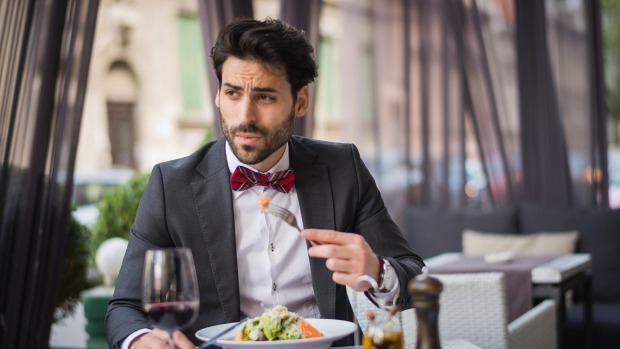
Look at this guy. He’s dining alone, and he still looks suave.

I’ve eaten alone in restaurants around the world scores if not hundreds of times. What once might have been a mite squirmy and self-conscious is now a cinch, and a joy. Like going to the movies alone (the best way), eating singly is woefully underrated. (Haunting bars solo is a lonelier proposition, but it’s still totally doable, at times even rewarding.)

Eateries have evolved and they are now equipped, ready and happily accommodating of the one-man show. I have no, er, reservations about making a reservation for one, and the staffers on the other end never pause, hiccup or flinch when they hear that some weird single guy is coming. Nowadays a table for one is entirely normal. Any uncomfortable vibes are coming from your end only. I’ve never felt strange or alienated dining out with me and myself.

9Go. Relax. Be seated and order a cocktail or a glass of wine. I used to bring reading material to the table, a magazine or travel guide — like the hapless fellow in “The Cook, the Thief, His Wife and Her Lover” — but no more. (For one, it’s invariably too dark to read anything. I’m at the point where I have to use the light of the table’s feeble candle to read the menu.) And I’m not one to obsessively tap, scroll and stare hypnotically at my smartphone. So I instead observe, look around and listen — the time-honored sport of people watching.
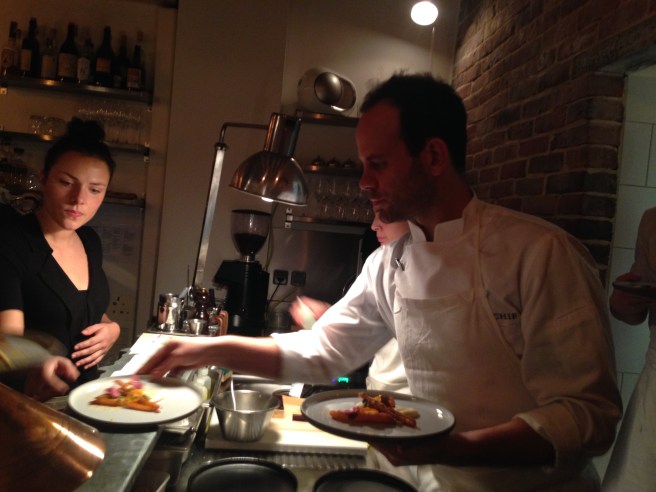
When it’s early, well before the dinner crush, I’m known to sit at the bar with my laptop and have a small bite and a beer, which I did last week at Longman & Eagle in Chicago, a winsome gastropub with a kicky, rustic flair. I emailed ahead for the best hours to pull out a computer and to confirm the place has free Wi-Fi.

Any stigma attached to the idea of lone dining is dated and moribund. At Avec in Chicago I sat at the bar with an unbroken row of single diners. A few chatted with the stranger next to them, others (me) kept to themselves and saved conversation for the empathetic, fiercely attentive server who coddled me just enough that I didn’t feel fawned over.

There are perils to eating out alone. Servers tend to have the urge to rush the meal, so if I’ve ordered three courses, instead of staggering them leisurely, the server will pile them on, and I wind up with three full plates waiting to be tackled at once. I call this shoving food down your throat and shoving you out the door (this has happened to me at least three times recently). Rushing the plates, it’s as if the lone eater cannot be left without something in front of him, lest he perish from loneliness.

IMG_0619
View from the bar at Frenchie in Paris. Close to the action, with great, personalized interaction. That’s owner, head chef and all-around mensch Gregory Marchand. I had the best seat in the house.

Tip: Sit at the bar. Servers tend to be more attentive and personalized and there’s less of a chance of a plate pile-up because the area is busier and service slows somewhat. Communication, from illuminating details about the menu to cordial chit-chat, reigns.

Plus, the scenery at the bar is superior — a stool with a view. If you’re lucky, there’s an open kitchen, where you can witness the artful commotion of chefs in the tentacled frenzy of culinary creation. Bodies swerve and dodge, flames lick the ceiling, delicacies are chopped and seared and tossed, plates are decorated as meticulously as a Buddhist sand mandala. Art happens. For the wide-eyed foodie, it’s the frisson of salivating spectacle, a bonus main course, with extra dessert.

Eating, walking, rocking, Chicago style

IMG_0005.jpg
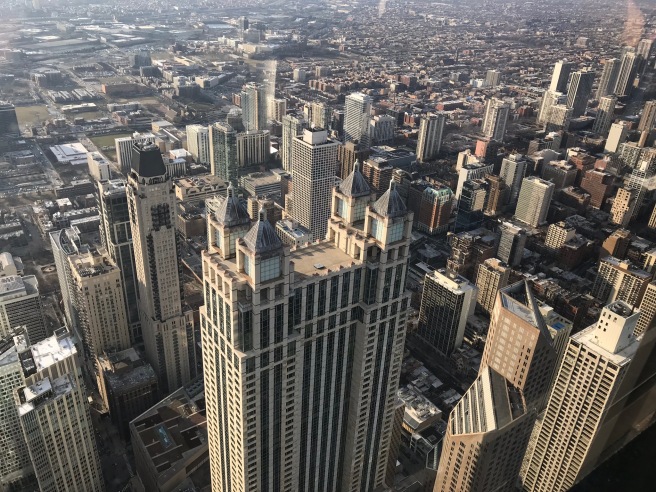
View from the 95th floor bar-lounge in the John Hancock Building.

The first thing I did in Chicago was get a drink. There for fun from last Thursday to yesterday, I took the elevator in the famed Hancock Building (at a clip of 22 mph), which was smack next-door to my hotel in the lake-kissed Gold Coast, and landed in The Signature Lounge on the 95th floor.

IMG_0014
My hotel abutting Hancock Building.

It’s all about the eye-popping view. But after the hassles of airport travel, it was as much about a decompressing dram. Like the view, the drink prices were waaay up.

The catch: Going one floor higher to the official observation deck costs a smidge more than a Signature drink. So it works out: same view, less money, plus a cocktail and a seat at the window. My blackberry gin and tonic, mighty fine, cost a few cents less than $19, pre-tip. Ghastly, sure. But again, a better deal than what the higher (and dryer) chumps upstairs got.

It was a refreshing and dazzling beginning to the trip, which would take me on a three-hour walking food tour (very good, but too many sweets), Millennium Park, the International Museum of Surgical Science (shoutout to blogger Jessica — you would love this place), the Art Institute of Chicago (boo — no “American Gothic”; it’s on loan), Frank Lloyd Wright’s world-famous Robie House, an exhilarating play about teenage-girl soccer players called “The Wolves” (it was a Pulitzer finalist), an iffy concert of all-female punk bands at legendary dive bar The Empty Bottle, and a superlative array of eateries running the gastronomical gamut.

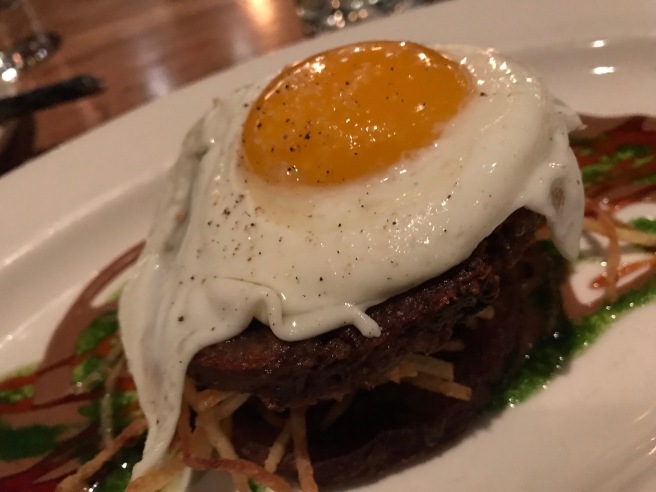
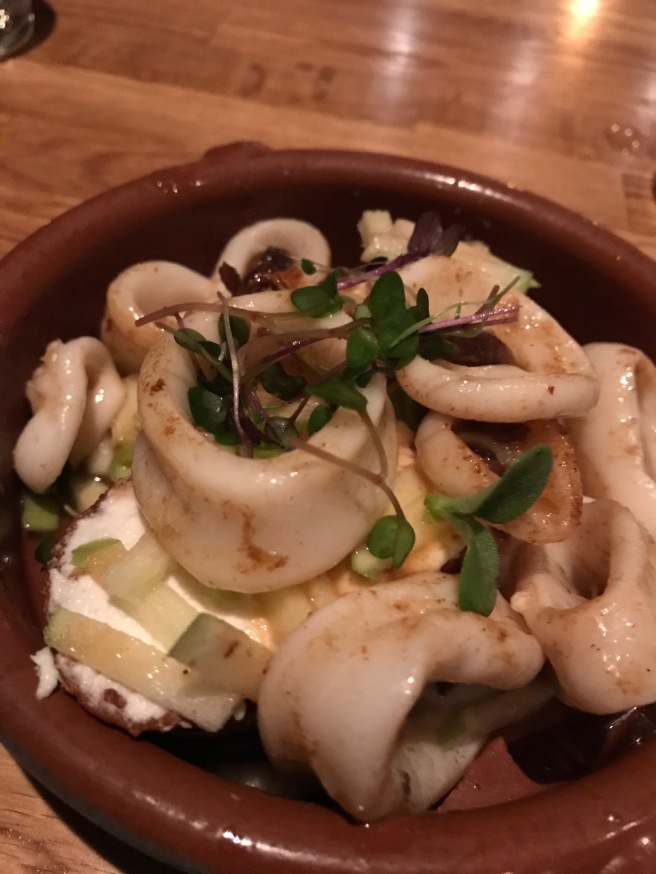
Yes, I did, as sworn, order and devour the fabled roasted pig face — and it was amazing. That was at the charming and bustling Girl & the Goat, where I also ate calamari bruschetta and grilled broccoli, all of it savory and spectacular.

Chicago is like a cozier New York with a tang all its own — a little Midwest, a little metropolis. It’s thronged and noisy, but contained and sleek, despite ragged edges any city worth its urban bona fides possesses.

The “El” trains will deafen you, while its uber-original hot dogs and pizza will soothe and sate. It’s got a lake so big it looks like an ocean and it’s steeped in cracked-leather tradition that makes so much of it seem early-20th century old school. Like Al Capone old school. Like lots of restaurants called Joe’s. But it’s also ever-changing, of course, with farm to table bistros, elegant bars, hip cafes and cutting-edge art. Its modernity is palpable.

It is, in its sneaky little way, deeply seductive.

IMG_0012.jpg
Roasted pig face, succulent layers of meat with potato crisps under the runny egg. This signature dish at the adamantly popular Girl & the Goat was the highlight of the night, and perhaps the trip.
IMG_0010.jpg
Calamari bruschetta (clam baguette, goat milk ricotta, goat bacon, green apples) at Girl & the Goat. Perfectly firm yet silky squid with the creamiest, velvet-like ricotta. Kaleidoscopic flavors, sweet, tart and savory — a tastebud tango.
IMG_0007.jpg
Pricey drinks, priceless views, 95 stories high.
IMG_0975.jpg
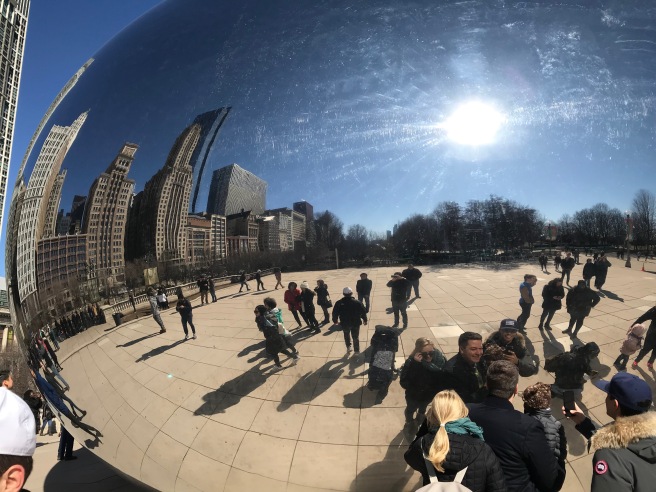
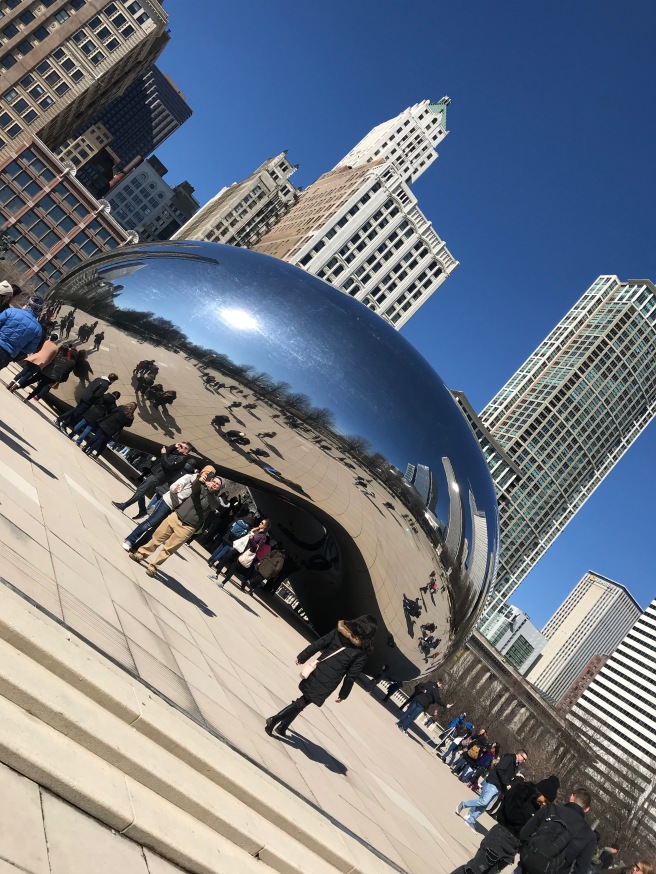
Anish Kapoor’s glistening Cloud Gate sculpture, aka the Bean, in Millennium Park. People swarm the ginormous orb, gazing at the skyline and themselves in its curved silvery skin.
IMG_0976.jpg
Same, in the Loop district of the city, Millennium Park.
IMG_1016.jpg
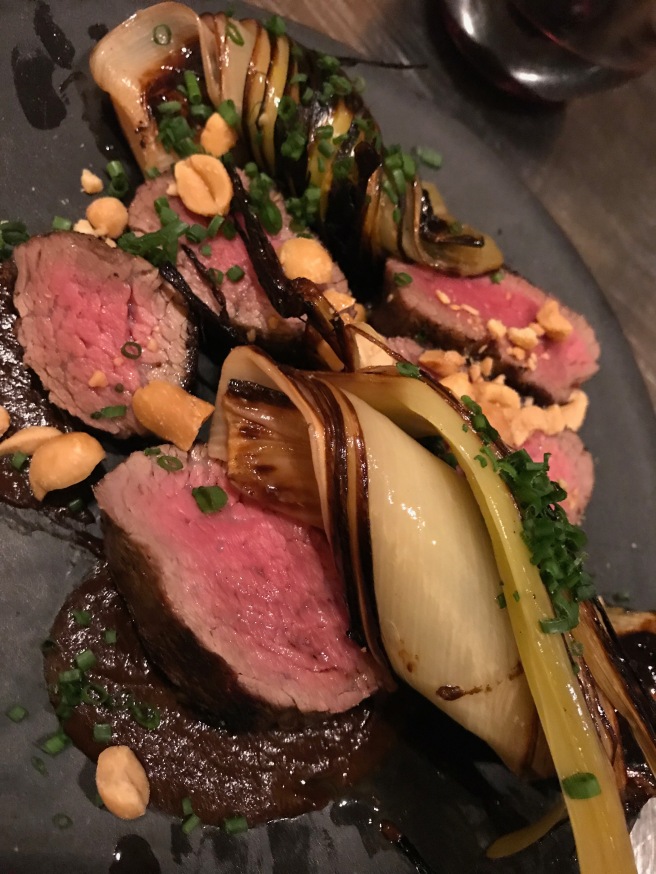
Butcher steak at the phenomenal Avec, a massively in-demand Mediterranean-tinged joint that hit every note just right, with music to spare. The must-have dish, which I had and almost wept over, is the chorizo-stuffed dates. Divine. Meanwhile, this steak, piled with tender fennel, was marvelously otherworldly.
IMG_1009.jpg
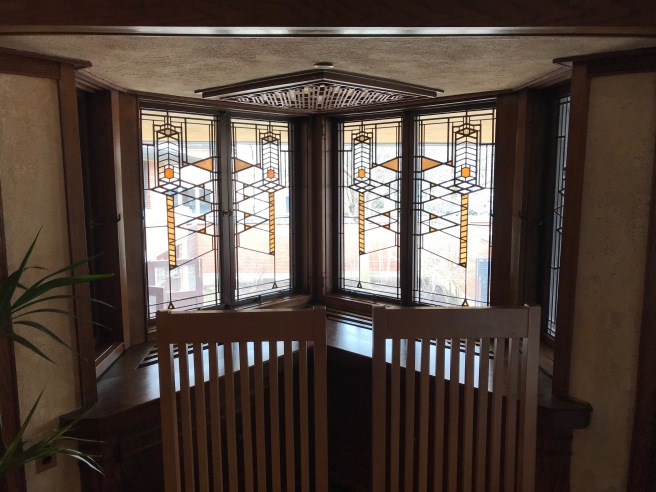
Frank Lloyd Wright’s elegant Robie House was finished in 1910 and is part of the iconic architect’s Prairie period. It’s simple yet granular in its considered details that only Wright was doing at the time — from windows and furniture to lighting and rugs. It’s one of the most important examples of residential architecture in America. Undergoing renovations, it can be a little musty in some rooms, but the informative tour highlights what makes the building a grand marriage of form and function.
IMG_0017.jpg
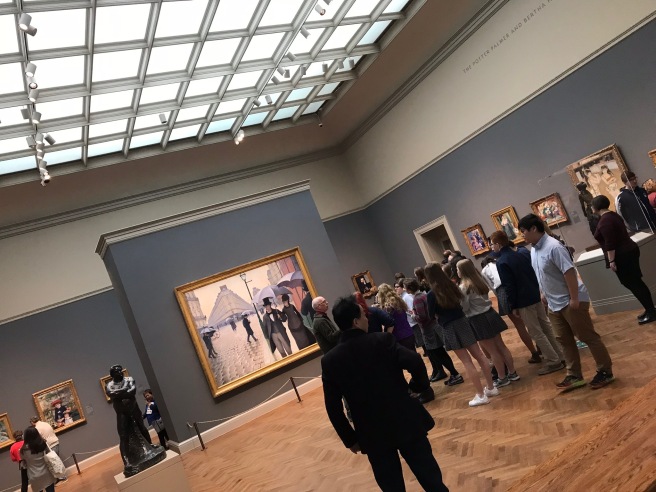
The sublime Art Institute of Chicago boasts one of the largest collections of Impressionist paintings in the world, as well as such masterstrokes as Seurat’s giant pointillist gem “A Sunday on La Grande Jatte,” Picasso’s “The Old Guitarist,”  Hopper’s “Nighthawks” and a flotilla of other indelible works by Degas, Magritte, Dali, Warhol, Giacometti, et al, not to mention exhibits of African and Asian art and a large spread of Chicago’s specialty, architecture. Huge and handsome, the venue is like a combo of NYC’s MoMA and The Met — a magnificent aesthetic amusement park.
IMG_0990.jpg
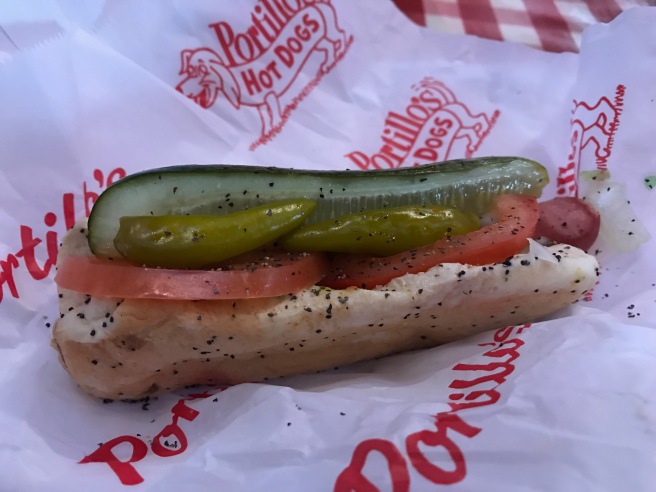
The perfect classic Chicago-style hot dog, or “red hot,” that’s been, as they say, “dragged through the garden.” It overflows its poppyseed bun with celery salt, a dill pickle spear, peppers, tomatoes and onions. For three bucks at famed Portillo’s, it was a thoroughly delicious snack.

Second thoughts about the Second City? No way.

Small compared to my last few trips — London, Montreal, Russia — my jaunt to Chicago approaches with almost unnerving rapidity: in two days. It should be an “easy” trip — short domestic flight, no visas or sourball customs agents — though inevitably there will be a measure of that fly-the-friendly-skies folderol we all know and love. (Baggage fees — adorable.)

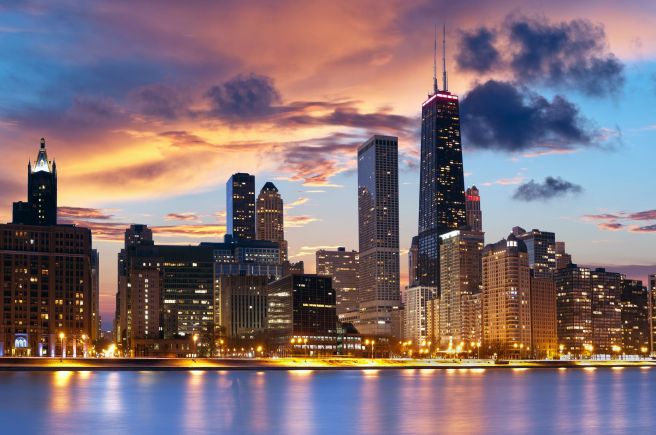
chicago-skyline-2.jpg
What, me worry?

Easy though it may be, this angsty traveler is strictly a glass half-empty kind of fellow, and that applies to my journeys. With excitement I choose a destination. With a kind of giddy glee I chart an itinerary, winnowing down the sites and restaurants and museums and cemeteries I plan to visit. An anticipatory rush animates the research and planning, and I get revved all over again for the unpredictable adventure of unshackled travel.

I hold onto this fuzzy feeling — until I don’t. As the trip’s date nears a sort of existential nausea, a galaxy of apprehensions, sets in. I mildly panic. My mouth becomes a rictus of worry. I wonder if I’ve made a glorious mistake. Chicagowhat was I thinking? I fret about how nice the weather will be, how acceptable my room will be, how easily I’ll be able to get around. Is the city overrated — is there enough to do and see? Aargh.

I inventoried my neurotic travel niggles in a blog post last fall as I was heading to St. Petersburg, Russia. They have not improved. They have not been assuaged.

Why do I worry so? Because this mostly lone traveler has found some destinations — luckily very, very few — to be a little … lacking. Not bad. Never bad. Never uninteresting, and never without a laundry list of things to do and see. But here and there (say, oh, Boston) a place will offer too much dead air, too little to do to occupy one’s time, too little to enthrall. I get up late and stay up late. Entertain me.

I’m being a bit facetious. Just absorbing a city and the neighborhood one stays in is bracing — a concentrated dose of head-twirling newbie-osity.

I think I have Chicago down. Like, down. I’m staying in an Airbnb that happens to be a room in a luxurious downtown boutique hotel, not someone’s crib. It abuts the 360 Chicago skyscraper in the Gold Coast on Lake Michigan, in the same hood as the Museum of Contemporary Art and the (oh, yes) International Museum of Surgical Science.

It’s too early in the season for river boat tours, but not too early for a slew of city walking tours. I’m booked on the Famous Tastes of Chicago Food Tour, a three-hour amble of hot dogs, pizza, Italian sandwiches, chocolate and architectural superstars. I’m holding a hot ticket for the critically salivated-over play “The Wolves,” a finalist for the Pulitzer last year. My dinner reservations are otherworldly. The lush, star-studded Graceland Cemetery beckons. A brace of fabled bars, The Hideout and The Empty Bottle, are sure bets.

Just reading all that serves as verbal Xanax. Calmer, even optimistic, I can take care of business, like packing, which takes me approximately 12 minutes. Then what? Travel is what. It’s a drill I know well. Get to the airport, check in, blunder through security, get to the gate, wait, board, soar. The rest is the adventure, the big show, which should be joy-inducing, eye-opening, head-expanding. It is where worry and angst go to die.